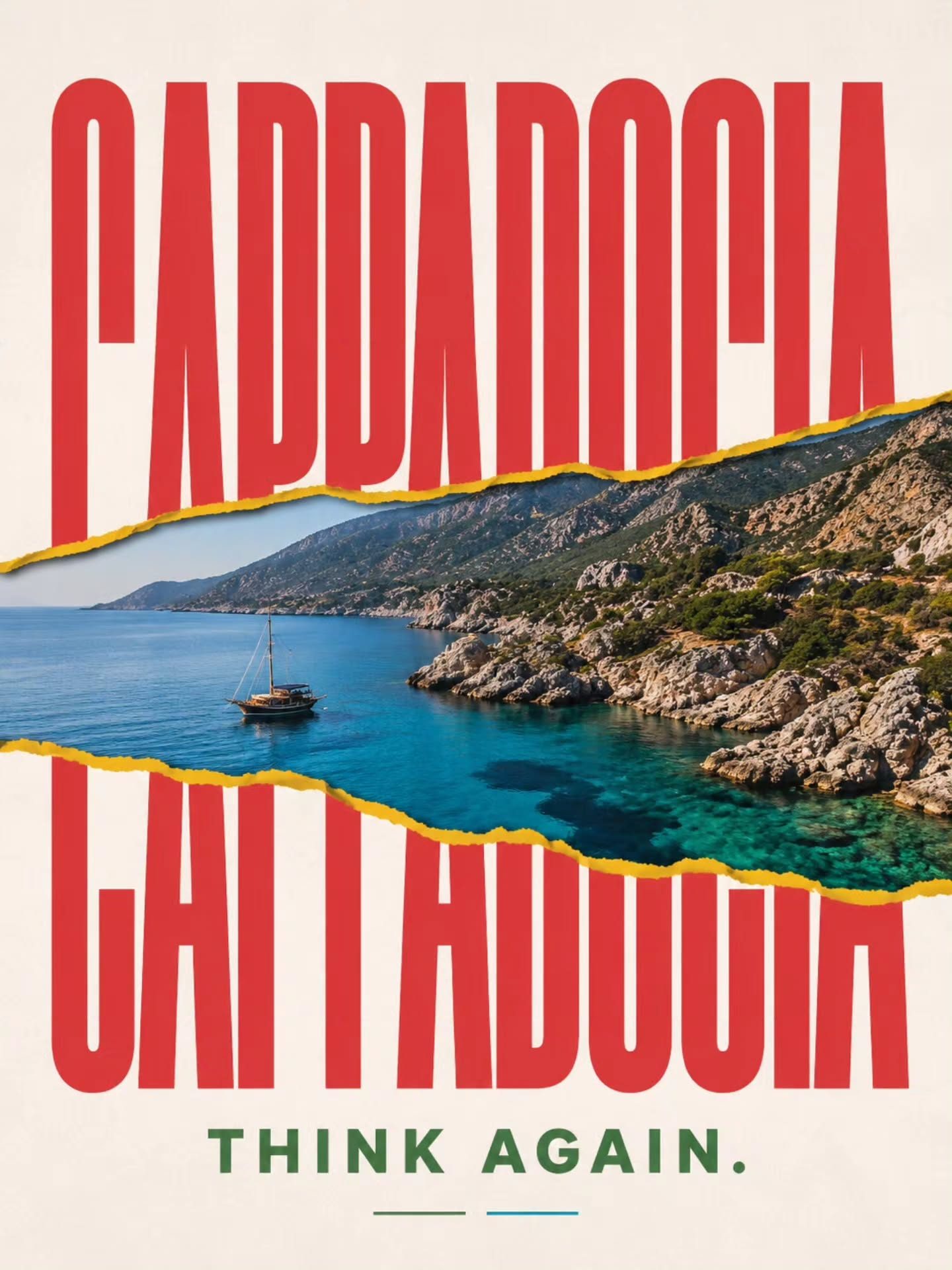
Turkey: A Land of Contrasts
Turkey is a country that defies simple categorization. From the sun-soaked beaches of the Aegean coast to the snow-capped peaks of the Eastern Anatolian mountains, it offers a diverse range of landscapes. This geographical variety is matched by a rich cultural tapestry, woven with threads from ancient civilizations and modern influences. Turkey is a destination that begs to be explored beyond its popular tourist hotspots.
Why This Matters
Understanding the depth and breadth of what Turkey offers is crucial for travelers seeking unique experiences. The country's diversity means that whether you're interested in history, adventure, or relaxation, Turkey has something to offer. By looking beyond the obvious, visitors can discover hidden gems and create memorable experiences.
A Geographical Mosaic
The Coastlines
Turkey's coastline stretches over 8,000 kilometers, offering a variety of beach experiences. The Aegean and Mediterranean coasts are known for their turquoise waters and sandy beaches, perfect for sunbathers and water sports enthusiasts. The Black Sea coast, on the other hand, is lush and green, with dramatic cliffs and waterfalls.
The Mountains
Moving inland, the Anatolian plateau is dominated by rugged mountains. Mount Ararat, located in Eastern Turkey, is one of the most iconic. Standing at 5,137 meters, it is not only a challenging climb but also a site of historical and cultural significance, often associated with the biblical story of Noah's Ark. The mountain ranges offer opportunities for hiking, skiing, and other outdoor activities.
The Fairy Chimneys
One of the most unique geological formations in Turkey is the Fairy Chimneys in Cappadocia. These "chimneys" are tall, cone-shaped rock formations created by erosion over millions of years. The region is also known for its "open-air museum" of rock-cut churches and underground cities, offering a glimpse into the early Christian era.
A Cultural Melting Pot
Historic Sites
Turkey is home to some of the world's most significant historical sites. Ephesus, near Izmir, is one of the best-preserved ancient cities, with ruins that date back to the 10th century BC. The ancient city of Troy, immortalized in Homer's epic poem the Iliad, is another must-visit. For those interested in Byzantine history, the Hagia Sophia and the Blue Mosque in Istanbul are unmissable.
Modern Culture
Beyond its historical sites, Turkey offers a vibrant modern culture. Istanbul, the country's largest city, is a bustling metropolis where ancient and modern coexist seamlessly. From trendy cafes and art galleries to traditional bazaars and hammams, there's something for everyone. Ankara, the capital, is the political and cultural hub, while cities like Antalya and Izmir offer a more laid-back Mediterranean lifestyle.
Culinary Delights
Turkish cuisine is as diverse as its geography. From the kebabs and meze of the eastern regions to the seafood specialties of the coastal areas, the country offers a rich culinary experience. Traditional dishes like Turkish delight, baklava, and Turkish coffee are just the beginning. Regional specialties, such as the Adana kebab from the southeastern region and the Izmir fast food of Kopan Isti, provide a deeper understanding of the country's culinary landscape.
Practical Tips
When to Visit
The best time to visit Turkey depends on what you want to see and do. For beachgoers, the summer months from June to September are ideal. However, for those interested in hiking or skiing, the spring and fall seasons offer milder temperatures and fewer crowds. Winter is a good time to visit the southeastern regions, where the weather is mild year-round.
Getting Around
Turkey has a well-developed transportation network, making it easy to get around. Flights are the fastest way to travel between major cities, while domestic flights are affordable and frequent. For a more immersive experience, consider taking the train or bus, which offer scenic routes and the chance to interact with locals.
Accommodation
From luxury hotels to budget-friendly hostels, Turkey offers a range of accommodations. For a truly unique experience, consider staying in a cave hotel in Cappadocia or a traditional Ottoman mansion in Istanbul. For those on a budget, hostels and guesthouses are widely available and offer a social atmosphere.
Important Takeaways
- Diverse Landscapes: Turkey's geography ranges from beaches to mountains, offering a variety of outdoor activities.
- Rich History: The country is home to some of the world's most significant historical sites, providing a deep dive into ancient civilizations.
- Vibrant Culture: Modern Turkey is a blend of ancient and contemporary, with bustling cities and traditional towns.
- Culinary Diversity: Turkish cuisine is varied and delicious, reflecting the country's diverse regions.
Conclusion
Turkey is a land of contrasts, offering a rich tapestry of landscapes, history, and culture. From the beaches of the Mediterranean to the mountains of the east, and from ancient ruins to vibrant cities, it is a place that rewards exploration. By looking beyond the obvious, travelers can uncover the many worlds that make up this fascinating country. For those ready to embark on a journey of discovery, Turkey awaits with open arms.
Watch the Reel
Questions readers ask
What are some of the most unique landscapes in Turkey?
Turkey boasts a wide range of landscapes, including the surreal Fairy Chimneys of Cappadocia, the dramatic peaks of the Eastern Anatolian mountains, and the tranquil beaches along the Aegean and Mediterranean coasts. Each of these landscapes offers a distinct experience, from adventure activities to relaxation.
What is there to see at the Eastern Anatolian Mountains?
The Eastern Anatolian Mountains offer stunning peaks and scenic beauty. Mount Ararat, the highest peak, is a notable landmark. The region provides opportunities for hiking, skiing, and exploring local cultures, making it a great destination for adventure enthusiasts.
What are the Fairy Chimneys in Cappadocia and how were they formed?
The Fairy Chimneys are unique rock formations found in the Cappadocia region. They were formed over millions of years by erosion and volcanic activity, resulting in distinctive tower-like structures. These geological marvels are often explored through activities like hot air balloon rides and hiking.
What can travelers expect from the beaches in Turkey?
Turkey's beaches, particularly along the Aegean and Mediterranean coasts, offer clear blue waters and sandy shores. Popular destinations include Bodrum, Marmaris, and Antalya. These beaches are perfect for swimming, sunbathing, and water sports, providing a relaxing escape.
How does the geographical diversity in Turkey influence its cultural experiences?
Turkey's diverse landscapes have significantly influenced its cultural experiences. Each region has its unique blend of history, traditions, and customs, shaped by the geography. For instance, coastal areas have a strong maritime culture, while mountainous regions preserve ancient practices and folklore.
What are some lesser-known travel destinations in Turkey?
Beyond popular spots, Turkey offers hidden gems. Places like the Lycian Way, a scenic hiking trail, and the ancient city of Sağlık, offer unique experiences. The Black Sea region, with its lush forests and waterfalls, is also a lesser-known destination worth exploring.
Related deep dives
Similar reads based on topic and creator.


Recent articles
Fresh deep dives from the latest Reels we unpacked.




Comments
Be the first to comment.