Hidden Beauties in the Himalayas
The Himalayas, a region known for its towering peaks and breathtaking landscapes, is home to more than just natural wonders. Hidden within its folds are cultural and spiritual gems that offer a unique blend of tranquility and cultural richness. Among these are the Badarinath Temple, Timmersain Mahadev Temple, and Malari Village.
Context / Why This Matters
The Himalayas have long been a beacon for travelers seeking adventure, serenity, or spiritual enlightenment. Beyond the well-trodden paths of popular destinations lie lesser-known locations that offer a more intimate and authentic experience. These hidden beauties provide a deeper understanding of the region's culture, history, and natural splendor, making them ideal for those looking to explore beyond the usual tourist spots.
Main Discussion
Badarinath Temple
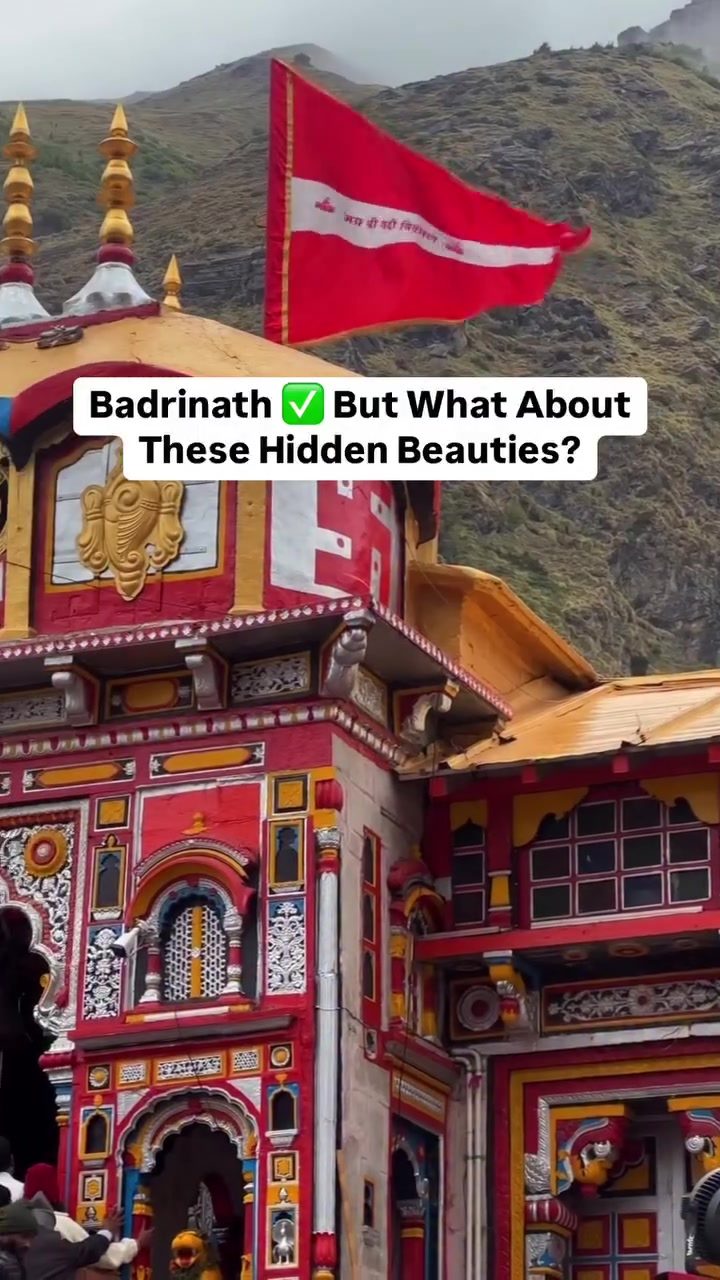
The journey into the heart of the Himalayas begins with the revered Badarinath Temple. Situated in the Chamoli district of Uttarakhand, India, this temple holds immense significance for Hindus. It is one of the Char Dhams, or four holy sites, that pilgrims visit to cleanse their souls. The temple is dedicated to Lord Vishnu and is celebrated for its serene atmosphere and spiritual aura.
The surrounding landscape enhances the temple's appeal, with the Alaknanda River flowing nearby and the majestic Nar and Narayan mountain peaks standing guard. The temple's architecture, with its stunning stonework and intricate carvings, adds to its mystical allure. Visitors often find themselves captivated by the divine energy that permeates the air, making it a place of profound spiritual experiences.
Timmersain Mahadev Temple
Nestled deep within the mountains, the Timmersain Mahadev Temple is a sanctuary of stillness and sanctity. This temple, dedicated to Lord Shiva, is known for its secluded location, making it a hidden gem for those who venture off the beaten path. The journey to Timmersain Mahadev is as much a part of the experience as the destination itself, with winding roads and lush greenery leading up to the sacred site.
The temple's tranquil setting, surrounded by dense forests and towering peaks, offers a sense of peace and solitude that is hard to find elsewhere. The architecture, though simple, reflects a timeless spirituality that resonates with visitors. The serene atmosphere and the sound of the wind rustling through the trees create an environment conducive to deep meditation and introspection. It is a place where one can escape the noise of the world and connect with the divine.
Malari Village
Malari Village is a picturesque settlement that exemplifies the harmony between nature and culture in the Himalayas. Located in the Chamoli district, this village is surrounded by towering mountains and lush valleys, offering a glimpse into the rural lifestyle of the region. The village is known for its traditional architecture, with stone houses and wooden roofs that blend seamlessly with the natural landscape. Walking through Malari Village feels like stepping back in time, with locals going about their daily routines in a manner that has remained unchanged for generations.
Besides its natural beauty, Malari Village is a hub of cultural activities and festivals. From traditional dances to local fairs, the village showcases the rich heritage of the Himalayan people. Visitors can immerse themselves in the local culture, taste authentic Himalayan cuisine, and participate in community celebrations. Malari Village is a living testament to the region's cultural richness and the resilience of its people.
TRIPWISER and the Himalayas
TRIPWISER, a travel company specializing in curated experiences in the Himalayas, is dedicated to showcasing the lesser-known beauties of the region. Their tagline, "Wiser Trips, Better Memories," encapsulates their mission to provide travelers with meaningful and enriching journeys. By highlighting locations like Badarinath, Timmersain Mahadev, and Malari Village, TRIPWISER aims to create wiser trips for travelers seeking a deeper connection with the Himalayas.
Practical Tips
Planning Your Trip
When planning a trip to the Himalayas, it is essential to research the best times to visit. The summer months, from April to June, and the autumn months, from September to November, offer pleasant weather and clear skies, making them ideal for exploration. Winter visits can be challenging due to heavy snowfall and icy roads, but they provide a unique, serene experience.
Accommodation options vary from budget-friendly hostels to luxury resorts. Staying in local guesthouses or homestays can offer a more authentic experience, allowing you to interact with locals and immerse yourself in the culture. Packing essentials such as warm clothing, sturdy hiking boots, and a first-aid kit is crucial for a comfortable and safe journey.
Getting There
Reaching the Himalayas involves traveling to major cities like Dehradun or Delhi and then proceeding to specific destinations. Badarinath Temple is accessible by road from major cities in Uttarakhand. Timmersain Mahadev and Malari Village require trekking or driving on mountain roads, which can be challenging but rewarding.
Public transportation, including buses and shared taxis, is available to many destinations, but hiring a private vehicle can offer more flexibility and comfort. Always check road conditions and weather forecasts before embarking on your journey, as mountain roads can be unpredictable.
Respecting Local Culture
The Himalayas are home to diverse communities with rich traditions and customs. Respecting local culture is crucial for a meaningful and respectful travel experience. Dress modestly when visiting religious sites, and always ask for permission before taking photographs of locals or their homes. Engaging with the community by participating in local festivals or supporting local businesses can create lasting memories and foster a deeper understanding of the region.
Important Takeaways
Exploring the hidden beauties of the Himalayas, such as Badarinath Temple, Timmersain Mahadev Temple, and Malari Village, offers a unique opportunity to experience the region's natural and cultural treasures. These locations provide a deeper insight into the spiritual and cultural richness of the Himalayas, making them ideal for travelers seeking an authentic and meaningful journey.
TRIPWISER's emphasis on "wiser trips" highlights the importance of thoughtful travel that respects both the environment and local communities. By choosing to explore lesser-known destinations, travelers can support sustainable tourism and contribute to the preservation of the Himalayas' natural and cultural heritage.
Conclusion
The Himalayas are a land of endless wonders, and venturing into its hidden corners reveals a world of beauty, spirituality, and culture. From the serene Badarinath Temple to the tranquil Timmersain Mahadev Temple and the picturesque Malari Village, each location offers a unique experience that enriches the soul. Exploring these hidden gems with respect and curiosity allows travelers to create wiser trips and better memories, leaving a positive impact on both the region and themselves. So, embark on a journey to the Himalayas and discover the hidden beauties that await you.
Watch the Reel
Questions readers ask
What makes Badarinath, Timmersain, and Malari unique among Himalayan destinations?
These destinations stand out due to their tranquil atmosphere and rich cultural heritage. Unlike more commercialized spots, they offer a genuine glimpse into Himalayan life, making them perfect for those seeking authentic experiences.
How can travelers reach these lesser-known Himalayan gems?
Access to these destinations varies. Badarinath is relatively accessible by road, while Timmersain and Malari may require a mix of road and trekking. It's advisable to plan with a local guide or through a reputable travel agency for the best experience and safety.
What kind of accommodation is available in these areas?
Accommodation options range from basic guesthouses to more comfortable lodges, depending on the specific location. In more remote areas like Malari, accommodations might be simpler, so visitors should manage their expectations accordingly and consider camping for a unique experience.
Are there specific times of the year that are best for visiting these destinations?
The best time to visit is typically during the spring (April to June) or autumn (September to November) seasons. During these periods, the weather is pleasant, and the landscapes are at their most vibrant. Winter can be harsh, and summer may involve monsoon rains, making trekking more difficult.
What kind of activities can travelers expect to engage in while visiting these hidden gems?
Travelers can explore serene temples, immerse themselves in local culture, and enjoy trekking through picturesque landscapes. These destinations are ideal for those who want to experience the spiritual and cultural aspects of the Himalayas beyond the usual tourist spots.
What should travelers pack for a trip to these Himalayan destinations?
Packing should include warm clothing, sturdy hiking shoes, a waterproof jacket, and essentials like a first-aid kit, sun protection, and a water bottle. It's also wise to bring local currency, as cash is often preferred in these remote areas, and to carry a map or GPS device for safety.
Are there any local customs or traditions travelers should be aware of when visiting these temples?
Yes, visitors should respect local customs and traditions. This includes dressing modestly, following temple etiquette, and being mindful of local beliefs. Interacting with locals and participating in local rituals can enhance your understanding and appreciation of the region's rich heritage.
Related deep dives
Similar reads based on topic and creator.




Recent articles
Fresh deep dives from the latest Reels we unpacked.




Comments
Be the first to comment.