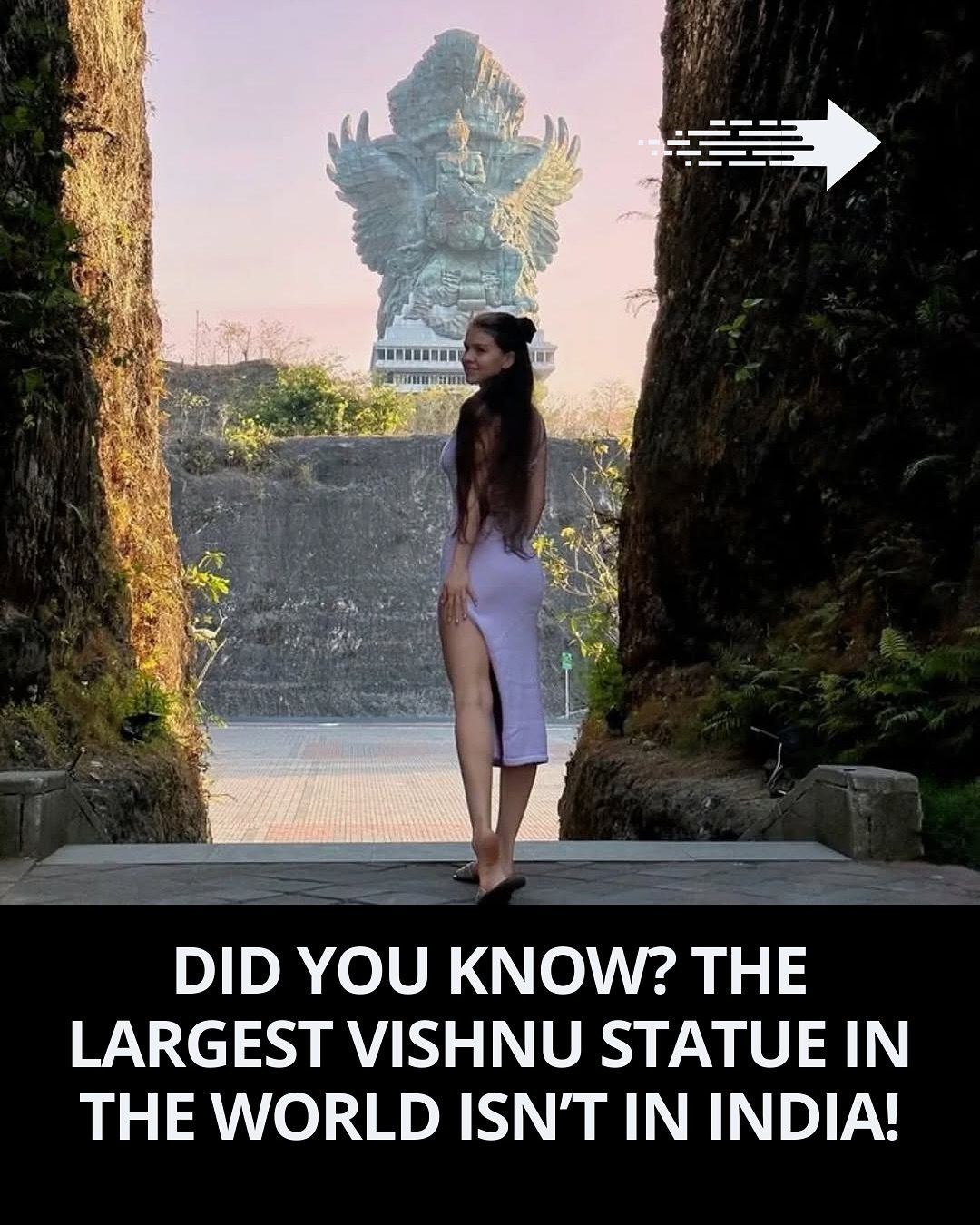
The Garuda Wisnu Kencana statue in Bali, Indonesia, is a monumental sculpture that often surprises visitors with its sheer size and intricacy. Standing tall and proud, this statue is not only a testament to Balinese artistry but also a significant cultural landmark. Let's delve into the details of this magnificent statue, its history, and why it matters to both locals and tourists alike.
Context / Why This Matters
The Garuda Wisnu Kencana (GWK) statue is more than just a tourist attraction; it is a symbol of Bali's rich cultural heritage and spiritual beliefs. The statue depicts the Hindu deity Vishnu riding the mythical bird Garuda, a depiction that holds deep significance in Hindu mythology. For visitors, the statue offers a unique blend of cultural immersion and natural beauty, making it a must-visit destination.
The Story of the Garuda Wisnu Kencana
The Garuda Wisnu Kencana statue is the largest statue of Vishnu in the world, standing at an impressive 121 meters tall. Located in Bali, Indonesia, it is a striking contrast to the common misconception that the largest Vishnu statue would be in India. This misconception aligns with the on-screen text that reads, "LARGEST VISHNU STATUE IN THE WORLD ISN’T IN INDIA!". The statue is situated on the Garuda Wisnu Kencana Cultural Park in Bali, an area designed to showcase the art, culture, and spirituality of the region.
The Mythological Significance
In Hindu mythology, Garuda is the mount (vahana) of Lord Vishnu. Garuda is often depicted as a protector and a symbol of strength and courage. The statue's design, with Vishnu seated on Garuda, represents the triumph of good over evil and the protection of the universe. Vishnu, known as the preserver and protector in the Hindu trinity, is often depicted with symbols of power and wisdom, which are beautifully represented in the statue.
The Making of the Statue
The Garuda Wisnu Kencana statue is a marvel of modern engineering and artistic craftsmanship. It took over 25 years to complete the statue, and it was finally unveiled in August 2018. The statue is made of bronze and stands on a pedestal, providing visitors with a clear view of the intricate details. The design and construction of the statue involved a team of skilled artisans and engineers who worked tirelessly to bring this mythical figure to life.
The Cultural Park
The Garuda Wisnu Kencana Cultural Park is more than just a place to view the statue. It's a comprehensive cultural experience that includes various art installations, performances, and natural beauty. The park spans over 60 hectares and features a variety of attractions, including a theater, galleries, and a cultural village that showcases traditional Balinese arts and crafts.
The Cultural Village
The Cultural Village is a must-visit within the park. It offers visitors a glimpse into the vibrant culture of Bali through live performances, traditional dance shows, and interactive workshops. The village also features a marketplace where visitors can purchase traditional Balinese artifacts, textiles, and souvenirs, making it a perfect place to bring home a piece of Bali's rich cultural heritage.
Nature and Scenery
The park's natural beauty is as breathtaking as the statue itself. Surrounded by lush greenery and offering panoramic views of the surrounding landscape, the Garuda Wisnu Kencana Cultural Park is a serene retreat from the bustling city. The park's design incorporates natural elements, ensuring that visitors can enjoy both the cultural and natural aspects of Bali.
Practical Tips for Visiting
Visiting the Garuda Wisnu Kencana statue and the cultural park is an experience that can be enhanced with a few practical tips.
Best Time to Visit
The best time to visit the Garuda Wisnu Kencana statue is during the early morning or late afternoon. The cooler temperatures and softer light make for a more comfortable experience and better photo opportunities. Additionally, visiting during these times can help avoid the peak crowds, allowing for a more relaxed and immersive experience.
What to Wear
Dress comfortably and appropriately for the weather. Light, breathable clothing is recommended, and it's a good idea to wear comfortable walking shoes, as there will be a bit of walking involved. Also, consider bringing a hat and sunscreen to protect yourself from the sun.
What to Bring
Bring a camera to capture the stunning views and details of the statue. A water bottle and snacks are also a good idea, especially if you plan to stay for an extended period. Some visitors may also want to bring a small bag to carry souvenirs and purchases from the cultural village.
Important Takeaways
Visiting the Garuda Wisnu Kencana statue in Bali is an experience that combines cultural enrichment, natural beauty, and artistic marvel. The statue's sheer size and intricate details make it a must-see destination, while the surrounding cultural park offers a deeper dive into Balinese culture and heritage. By understanding the mythological significance and the intricate craftsmanship behind the statue, visitors can gain a deeper appreciation for this remarkable landmark.
Conclusion
The Garuda Wisnu Kencana statue in Bali, Indonesia, is a breathtaking monument that stands as a testament to the rich cultural heritage and artistic prowess of Bali. Whether you're a history buff, a culture enthusiast, or simply looking for a unique travel experience, a visit to this statue is sure to leave a lasting impression. Its sheer size, intricate details, and the stunning natural surroundings make it a destination that should not be missed.
Watch the Reel
Questions readers ask
What is the significance of the Garuda Wisnu Kencana statue in Balinese culture?
The Garuda Wisnu Kencana statue is a profound symbol in Balinese culture, representing the Hindu deity Vishnu riding the mythical bird Garuda. This depiction is rooted in ancient Hindu mythology and holds spiritual significance for the local community, making it a meaningful cultural site.
How tall is the Garuda Wisnu Kencana statue?
The Garuda Wisnu Kencana statue stands at an impressive 121 meters (397 feet) tall, making it the world's largest Vishnu statue. Its immense size is a key factor in its popularity and awe-inspiring presence.
Where is the Garuda Wisnu Kencana statue located?
The Garuda Wisnu Kencana statue is situated in Bali, Indonesia. Specifically, it is located in the Garuda Wisnu Kencana Cultural Park in theJimbaran area of Bali. It's conveniently accessible for visitors exploring the island.
What can visitors expect to see and experience at the Garuda Wisnu Kencana Cultural Park?
Visitors to the Garuda Wisnu Kencana Cultural Park can expect to be immersed in a blend of natural beauty and cultural artistry. In addition to the statue, the park offers beautiful landscapes, cultural performances, and various art exhibits showcasing Balinese heritage.
Why is the Garuda Wisnu Kencana statue a must-visit for tourists in Bali?
The Garuda Wisnu Kencana statue is a must-visit for tourists due to its sheer size, cultural significance, and the unique experience it offers. It provides a deep dive into Hindu mythology and Balinese artistry, making it a memorable part of any trip to Bali.
What is the best time to visit the Garuda Wisnu Kencana statue?
The best time to visit the Garuda Wisnu Kencana statue is during the early morning or late afternoon. These times offer pleasant weather and better lighting for viewing the statue. Additionally, visiting during these hours can help avoid the peak tourist crowds.
Are there any special events or festivals held at the Garuda Wisnu Kencana statue?
Yes, the Garuda Wisnu Kencana Cultural Park often hosts special events and festivals throughout the year. These events typically celebrate Balinese culture, including traditional dance performances, music, and art exhibitions. Visitors can check the park's schedule to plan their visit during these exciting times.
Related deep dives
Similar reads based on topic and creator.

Recent articles
Fresh deep dives from the latest Reels we unpacked.



Comments
Be the first to comment.