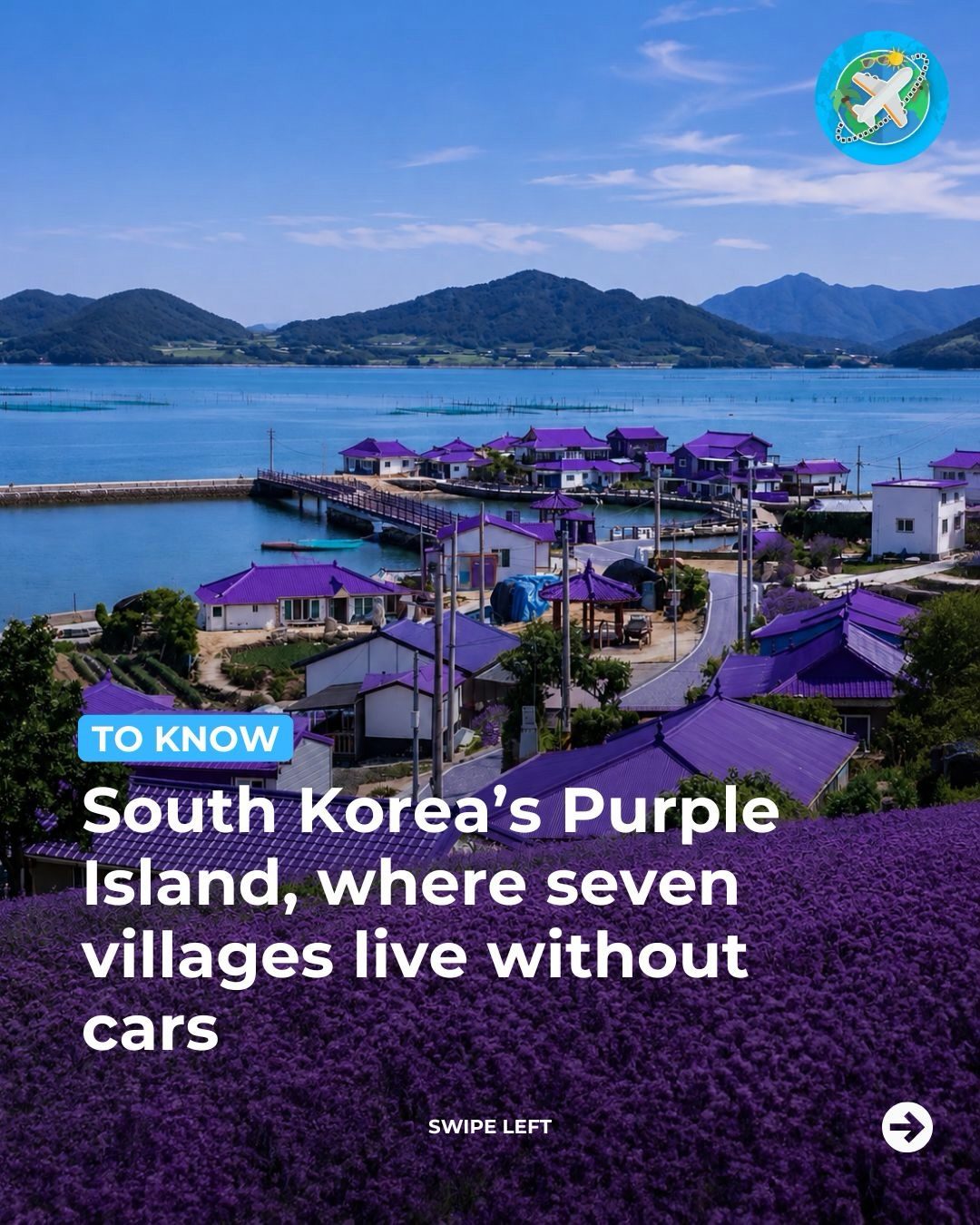
South Korea's Purple Island: A Vibrant Car-Free Escape
South Korea's Purple Island, nestled in the Jeju Province, is a unique destination that offers a refreshing break from the hustle and bustle of city life. Known for its striking purple hues that adorn its buildings, bridges, and even roads, this island is a visual feast that captures the imagination of travelers worldwide. The island's seven villages provide a charming blend of rural beauty and modern amenities, making it an ideal spot for a peaceful getaway.
Context / Why This Matters
In an era where pollution and noise have become inevitable parts of urban living, the concept of a car-free tourist zone is a breath of fresh air. South Korea's Purple Island demonstrates that sustainable and enjoyable tourism is possible without compromising on the experience. By prohibiting private cars in the main tourist areas, the island promotes a healthier, quieter, and more enjoyable environment, offering visitors a unique way to explore and appreciate nature and architecture.
The Magic of Purple Island
The Unique Allure of Purple
The island's signature purple theme is more than just a whimsical design choice. It is a deliberate effort to create a visually stunning and tranquil atmosphere. The purple hues, inspired by the hydrangea flowers that bloom across the island, lend a dreamlike quality to the landscape. This theme extends beyond the buildings to encompass bridges, flowers, and even some roads, creating a cohesive and enchanting experience for visitors.
The Seven Villages
Purple Island is home to seven distinct villages, each offering its unique charm. These villages are connected through a network of car-free paths, allowing visitors to leisurely explore on foot, by bicycle, or via eco-friendly shuttle buses. This layout not only encourages physical activity but also ensures that the island remains free from the noise and pollution typically associated with car traffic.
Exploring Without Wheels
One of the standout features of Purple Island is its car-free policy. Private cars are prohibited in the main tourist areas, making the island an ideal destination for those seeking a peaceful and environmentally friendly escape. Visitors can navigate the island on foot, by bicycle, or via car shuttles, adding to the island's serene and eco-friendly ambiance. Exploring without the constant hum of engines allows visitors to enjoy the natural sounds of the island, from the rustling of leaves to the gentle lapping of waves.
The Island's Infrastructure
The infrastructure on Purple Island is designed to enhance the visitor experience, focusing on sustainability and accessibility. The purple-themed bridges, buildings, and roads are just the beginning. The island also boasts various amenities, including accommodations, restaurants, and shops, all designed to complement the island's aesthetic and provide a comfortable stay for visitors. The car-free zones are well-marked, and visitors can easily find maps and guides to navigate the island.
Practical Tips for Visiting
Planning Your Trip
When planning a visit to Purple Island, it's essential to consider the best times to go. The island's purple flowers bloom from June to July, making this period the most visually stunning. However, the island is a delight to visit year-round, with each season offering a unique experience. Spring and autumn provide mild temperatures, while winter can be a serene escape.
Accommodation
Accommodation options on Purple Island range from budget-friendly guesthouses to luxurious resorts. Whether you prefer a cozy inn or a high-end hotel, you'll find plenty of choices to suit your needs. Many accommodations are designed with sustainability in mind, using eco-friendly materials and practices.
Getting Around
Navigating Purple Island is a breeze, thanks to the lack of private cars. You can explore on foot, rent a bicycle, or use the convenient shuttle buses. For those who prefer a guided experience, several tour companies offer guided walks or bicycle tours, providing insightful commentary on the island's history, culture, and natural beauty.
Local Cuisine
Food lovers will enjoy the diverse culinary offerings on Purple Island. The island is known for its fresh seafood, which is a staple of many local dishes. You can also sample traditional Korean cuisine, which often includes rice, vegetables, and meat or seafood. For a unique experience, visit the local markets to try fresh produce, handicrafts, and other local goods.
Important Takeaways
South Korea's Purple Island is more than just a picturesque destination; it's a testament to sustainable tourism. The island's car-free policy, eco-friendly infrastructure, and stunning purple theme create an environment that is both visually captivating and environmentally responsible. By prioritizing sustainability, the island offers a unique travel experience that allows visitors to immerse themselves in nature while minimizing their environmental impact.
Conclusion
A visit to South Korea's Purple Island is an experience that will stay with you long after you've left. The island's vibrant purple hues, car-free zones, and eco-friendly infrastructure make it a standout destination for those seeking a peaceful and sustainable escape. Whether you're a nature lover, a history buff, or simply someone looking to unwind, Purple Island offers a unique blend of beauty, tranquility, and adventure.
Watch the Reel
Questions readers ask
Why is Purple Island in South Korea known for its unique color?
Purple Island is renowned for its distinctive purple color that permeates its architecture, bridges, and even roads. This vibrant hue is inspired by the surrounding lavender fields, creating a visually stunning and cohesive aesthetic throughout the island.
How many villages are there on Purple Island, and what can visitors expect to find in them?
Purple Island is composed of seven charming villages. Visitors can explore a mix of traditional and modern amenities, including local shops, cafes, art galleries, and historic sites, all while enjoying the peaceful, car-free environment.
What are the primary modes of transportation on Purple Island?
Purple Island encourages sustainable and eco-friendly travel. Visitors can explore the island's picturesque landscapes on foot or by bicycle, making it an ideal destination for those seeking a tranquil and car-free getaway.
Are there specific attractions or activities that make Purple Island a must-visit destination?
Purple Island offers a range of activities, including leisurely walks through lavender fields, bicycle tours along scenic routes, and visits to historic and cultural landmarks. The island's main attractions include its unique architecture, nature trails, and the opportunity to explore seven distinct villages.
What measures has Purple Island taken to promote sustainable tourism?
Purple Island has implemented several eco-friendly practices to promote sustainable tourism. These include maintaining a car-free environment, encouraging visitors to explore on foot or by bicycle, and fostering a harmonious relationship with the surrounding natural landscapes.
Can visitors stay overnight on Purple Island, and what are the accommodation options like?
Yes, visitors can stay overnight on Purple Island. Accommodation options range from cozy guesthouses to boutique hotels, allowing visitors to fully immerse themselves in the island's unique atmosphere and experience its tranquility both day and night.
Related deep dives
Similar reads based on topic and creator.




Recent articles
Fresh deep dives from the latest Reels we unpacked.



Comments
Be the first to comment.