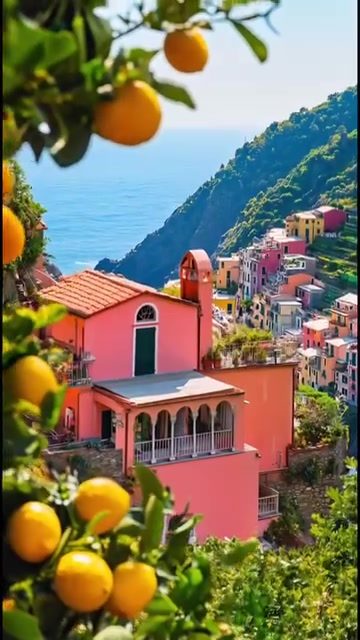
Italian Coastal Architecture and Interiors
The allure of Italian coastal architecture and interiors lies in their timeless charm and harmony with the natural landscape. From the picturesque villages nestled along the coastline to the beautifully designed interiors, this region offers a unique blend of rustic elegance and modern comfort.
Why This Matters
Understanding the distinctive features of Italian coastal architecture and interiors provides valuable insights into how design can complement and enhance natural surroundings. This knowledge is beneficial for travelers seeking inspiration, interior designers looking to incorporate Mediterranean aesthetics, and anyone interested in creating a warm, inviting living space.
Main Discussion
The Charm of Coastal Villages
Italian coastal villages are renowned for their colorful houses and narrow, winding streets. These villages often feature houses built directly into the cliffs, offering stunning views of the Mediterranean Sea. The architecture is characterized by terra-cotta roofs, whitewashed walls, and arched windows, which are not only aesthetically pleasing but also functional, providing natural ventilation and light.
Interior Design: Arches and Rustic Furniture
The interiors of these homes are just as captivating as the exteriors. Arched windows and doors are a common feature, allowing natural light to flood the rooms and creating a sense of openness. Rustic furniture, often handcrafted, adds warmth and character to the space. The use of natural materials like wood, stone, and terracotta further enhances the rustic, inviting atmosphere.
The Role of Natural Light
Natural light plays a crucial role in Italian coastal interiors. Large windows and open floor plans ensure that rooms are well-lit, creating a bright and airy feel. This design choice not only enhances the aesthetic appeal but also promotes a sense of tranquility and connection to the outdoors. The interplay between natural light and the rustic decor creates a harmonious balance that is both calming and inspiring.
The Mediterranean Landscape
The Mediterranean landscape is a significant influence on Italian coastal architecture and interiors. The lush greenery, serene sea views, and mild climate inspire the design elements and color palettes used in these homes. The landscape serves as a backdrop that seamlessly integrates with the architectural features, creating a cohesive and serene living environment.
Practical Tips
Incorporating Mediterranean Elements into Your Home
To bring the charm of Italian coastal interiors into your own home, consider the following tips:
- Use Natural Materials: Incorporate natural materials like wood, stone, and terracotta into your decor. These materials add warmth and rustic charm to any space.
- Maximize Natural Light: Ensure that your home is well-lit by using large windows and open floor plans. Natural light not only brightens the space but also creates a sense of serenity.
- Embrace Arched Windows and Doors: Arched windows and doors add a touch of elegance and allow for better ventilation and natural light. Consider incorporating these architectural features into your home design.
- Opt for Rustic Furniture: Choose handcrafted, rustic furniture that adds character and warmth to your space. This type of furniture complements the natural materials and creates a cohesive look.
- Choose a Neutral Color Palette: Use a neutral color palette with accents of blue and terracotta to mimic the Mediterranean landscape. This color scheme creates a calming and inviting atmosphere.
Creating a Tranquil Outdoor Space
Extend the beauty of Italian coastal interiors to your outdoor space with these tips:
- Add Greenery: Incorporate plants and flowers that thrive in the Mediterranean climate. This will help create a lush, green oasis that complements your home's architecture.
- Use Terra-Cotta Pots: Terra-cotta pots are a staple in Mediterranean gardens. They add a rustic touch and are perfect for growing herbs, vegetables, and flowers.
- Install Outdoor Seating: Create a cozy seating area with comfortable furniture where you can relax and enjoy the beautiful views. Outdoor lighting can enhance the ambiance and make your space inviting at night.
- Build a Pergola: A pergola provides shade and adds a decorative element to your outdoor space. It can also support climbing plants, creating a lush, green canopy.
Important Takeaways
Italian coastal architecture and interiors are defined by their harmony with the natural landscape, use of natural materials, and emphasis on natural light. These elements create a warm, inviting, and tranquil living environment. By incorporating Mediterranean design principles into your home, you can create a space that is both stylish and serene.
Conclusion
The beauty of Italian coastal architecture and interiors lies in their ability to blend seamlessly with the surrounding landscape, creating a harmonious and inviting living environment. By understanding and incorporating the key design elements—such as arched windows, rustic furniture, and natural materials—you can bring a touch of Mediterranean charm to your own home, regardless of where you live.
Watch the Reel
Questions readers ask
What are the key features of Italian coastal architecture?
Italian coastal architecture is characterized by its rustic charm and seamless integration with the Mediterranean landscape. Key features include terra-cotta roofs, whitewashed walls, and arched windows, which are designed to withstand the salty sea air and provide shade from the sun.
How do Italian coastal villages blend with the natural surroundings?
These villages are often built with local materials like stone and wood, and their layouts are designed to complement the coastal terrain. Narrow, winding streets and buildings that adhere to the natural contours of the land help to create a harmonious link between the architecture and the seaside views.
What can I expect to find in the interiors of Italian coastal homes?
Italian coastal interiors are known for their rustic elegance, often featuring terracotta tiles, wooden beams, and intricate tile work. These elements create a warm and inviting atmosphere, while large windows and open floor plans maximize natural light and sea breezes.
Why is understanding Italian coastal architecture beneficial for designers?
For designers, knowing the principles of Italian coastal architecture can provide inspiration for projects that aim to blend with natural surroundings. The use of natural materials, emphasis on light, and focus on outdoor living spaces can be applied to various design contexts beyond coastal regions.
What makes Italian coastal villages unique compared to other seaside destinations?
Italian coastal villages stand out due to their timeless design and the way they preserve traditional building techniques. The villages offer a unique aesthetic that combines rustic charm with seaside beauty, creating a peaceful atmosphere that sets them apart from more modern or commercialized seaside destinations.
How can I incorporate Italian coastal design into my own home?
To bring Italian coastal design into your home, focus on using natural materials like stone and wood, and incorporating color palettes inspired by the Mediterranean. Consider adding features like arched windows, terracotta tiles, and plenty of plants to create a similar rustic and inviting atmosphere.
Related deep dives
Similar reads based on topic and creator.




Recent articles
Fresh deep dives from the latest Reels we unpacked.




Comments
Be the first to comment.