Exploring the Spiritual India Map
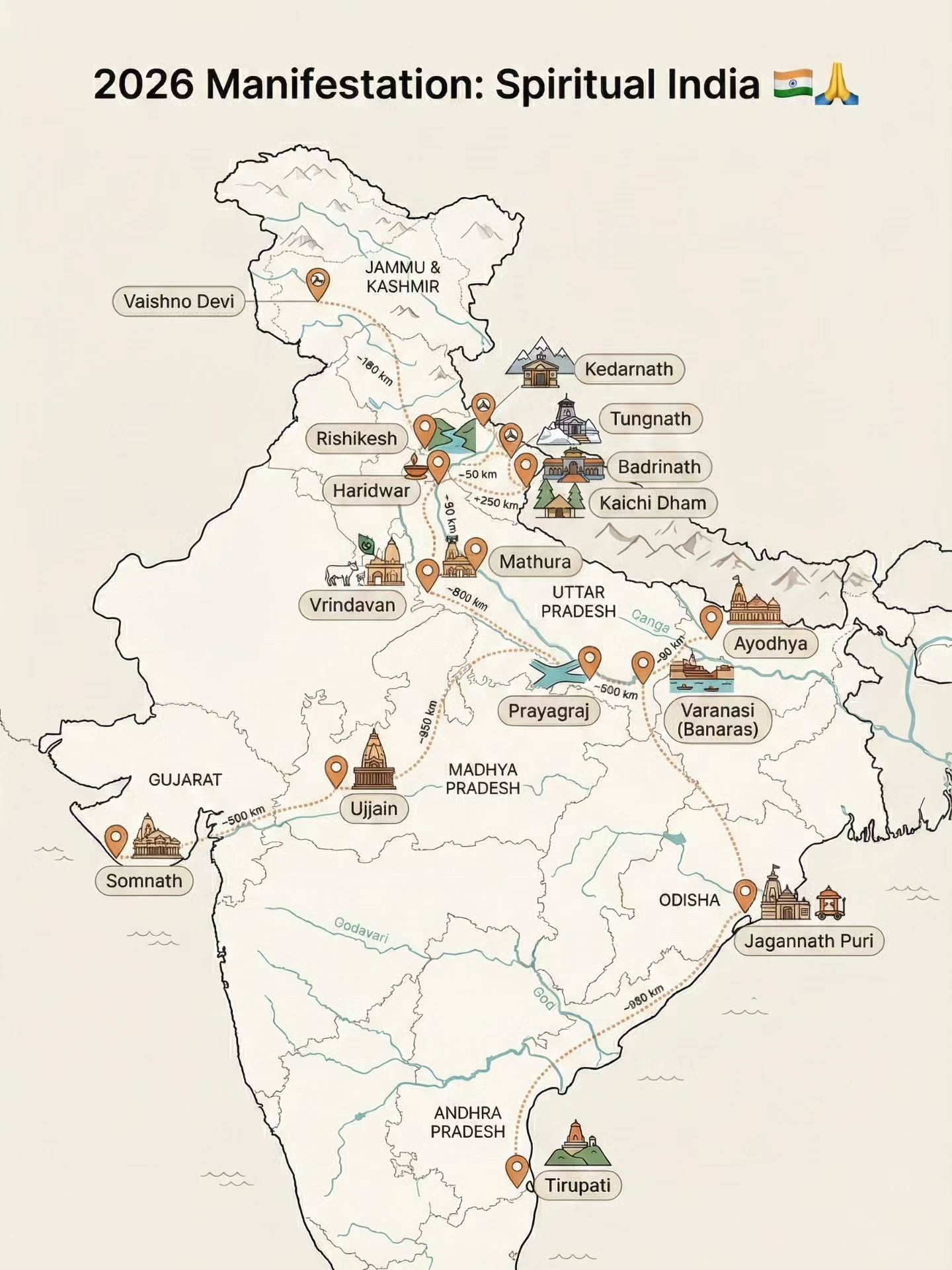
India, a land rich in spiritual heritage, boasts numerous pilgrimage sites that hold significant religious and cultural importance. A carefully crafted map highlighting these spiritual destinations provides a unique perspective on the country's divine landscape. This map not only marks key locations but also indicates the distances between them, making it a valuable resource for spiritual travelers and enthusiasts.
Why This Map Matters
Spiritual tourism is a significant aspect of India's cultural heritage. Pilgrims from across the globe visit these sacred sites to seek spiritual solace and connect with their faith. A well-designed spiritual map of India serves as a vital guide for travelers, helping them plan their journeys and navigate through important landmarks. Such a map can also aid researchers and enthusiasts in understanding the geographical distribution and significance of these spiritual sites.
Main Discussion
Key Spiritual Destinations
The map highlights several important pilgrimage sites across India. Some of the most prominent ones include:
- Varanasi (Banaras): Known as one of the oldest continuously inhabited cities in the world, Varanasi is sacred to Hindus. The Ghats of Varanasi, where pilgrims perform rituals, are a must-visit.
- Ayodhya: Associated with Lord Rama, Ayodhya is a revered city for Hindus. The Ram Janmabhoomi temple is a significant landmark here.
- Kedarnath: Nestled in the Himalayas, Kedarnath is one of the Chota Char Dham pilgrimage sites. The Kedarnath Temple is dedicated to Lord Shiva.
- Rishikesh: Known as the "Yoga Capital of the World," Rishikesh is a hub for spiritual seekers. The city is famous for its ashrams and the Ram Jhula and Lakshman Jhula bridges.
- Vrindavan: Located near Mathura, Vrindavan is sacred to Lord Krishna. The Banke Bihari Temple and ISKCON Temple are among the notable sites here.
- Tirupati: Home to the Tirumala Venkateswara Temple, one of the richest temples in the world, Tirupati is a major pilgrimage center for Hindus.
Styles and Themes
The map is presented in a stylized, illustrative manner, making it both aesthetically pleasing and informative. The "2026 Manifestation" theme suggests a forward-looking approach, possibly indicating a vision for the future of spiritual tourism in India. The map's design likely incorporates both traditional and modern elements, appealing to a wide audience.
Connecting the Dots
The map showcases a network of routes connecting these spiritual destinations. This feature is particularly useful for travelers planning a pilgrimage tour. By displaying the distances between locations, the map helps in creating an itinerary that is both feasible and spiritually fulfilling. For instance, travelers can plan a journey from Varanasi to Ayodhya, covering significant spiritual milestones along the way.
Practical Tips for Using the Map
Plan Your Pilgrimage
Use the map to plan your pilgrimage route. Identify key destinations and plan your journey based on the distances indicated. This will help you make the most of your spiritual tour without feeling rushed.
Explore Off-the-Beaten-Path Destinations
In addition to major pilgrimage sites, the map includes lesser-known but equally significant locations. Consider visiting these off-the-beaten-path destinations for a more rewarding spiritual journey.
Stay Informed
Keep the map handy during your travels. It can serve as a quick reference guide, helping you navigate through unfamiliar areas and ensuring you don't miss out on important landmarks.
Important Takeaways
Spiritual Pilgrimage Routes
The map highlights the vast network of spiritual routes in India. By understanding these routes, travelers can plan a comprehensive pilgrimage that covers multiple sacred sites.
Cultural and Religious Significance
The map provides insights into the cultural and religious significance of various regions in India. Each highlighted location has a unique story and significance, adding depth to your spiritual journey.
Future of Spiritual Tourism
The "2026 Manifestation" theme suggests a vision for the future of spiritual tourism. It indicates a growing interest and investment in promoting spiritual destinations, making India an even more attractive destination for spiritual seekers.
Conclusion
The Spiritual India Map is more than just a navigational tool; it's a gateway to understanding the rich spiritual heritage of India. By highlighting key pilgrimage sites and indicating the distances between them, the map serves as a valuable resource for spiritual travelers. Whether you're planning a pilgrimage, exploring off-the-beaten-path destinations, or simply interested in the cultural and religious significance of these sites, the map offers a comprehensive guide to India's divine landscape.
Watch the Reel
Questions readers ask
What is the Spiritual Journey Map 2026 and how does it help travelers?
The Spiritual Journey Map 2026 is a comprehensive guide to India's most sacred sites. It not only identifies key spiritual locations but also provides the distances between them, making it easier for travelers to plan their routes and journeys. This map is particularly useful for those seeking to visit multiple sites in a structured manner, ensuring they don't miss out on any significant destinations.
Which are some of the must-visit spiritual sites in India according to the map?
The map highlights several iconic spiritual sites, including Varanasi on the banks of the Ganges, the Kedarnath pilgrimage route in the Himalayas, the ancient city of Ayodhya, and the holy town of Vrindavan. These sites are known for their deep religious significance and spiritual aura, attracting devotees from all over the world.
How can the map assist in planning a pilgrimage to Tirupati Temple?
The map offers a detailed route to Tirupati Temple, one of the most revered sites in India. By showing the distances from nearby locations, it helps pilgrims plan their travel logistics efficiently. This includes identifying the best routes and potential stopovers, ensuring a smooth and meaningful journey.
What makes Rishikesh a significant spiritual destination according to the map?
Rishikesh is highlighted on the map for its spiritual significance, particularly as a center for yoga and meditation. The map not only marks Rishikesh but also shows the proximity to other sacred sites, allowing travelers to incorporate it into a broader spiritual journey through India.
Can the map be used for planning a journey that covers multiple spiritual sites in one trip?
Absolutely, the map is designed to facilitate such journeys. By providing distances between key spiritual sites, it allows travelers to create itineraries that cover multiple destinations. This is particularly useful for those who wish to experience a variety of spiritual traditions and landmarks in a single journey.
Related deep dives
Similar reads based on topic and creator.




Recent articles
Fresh deep dives from the latest Reels we unpacked.




Comments
Be the first to comment.