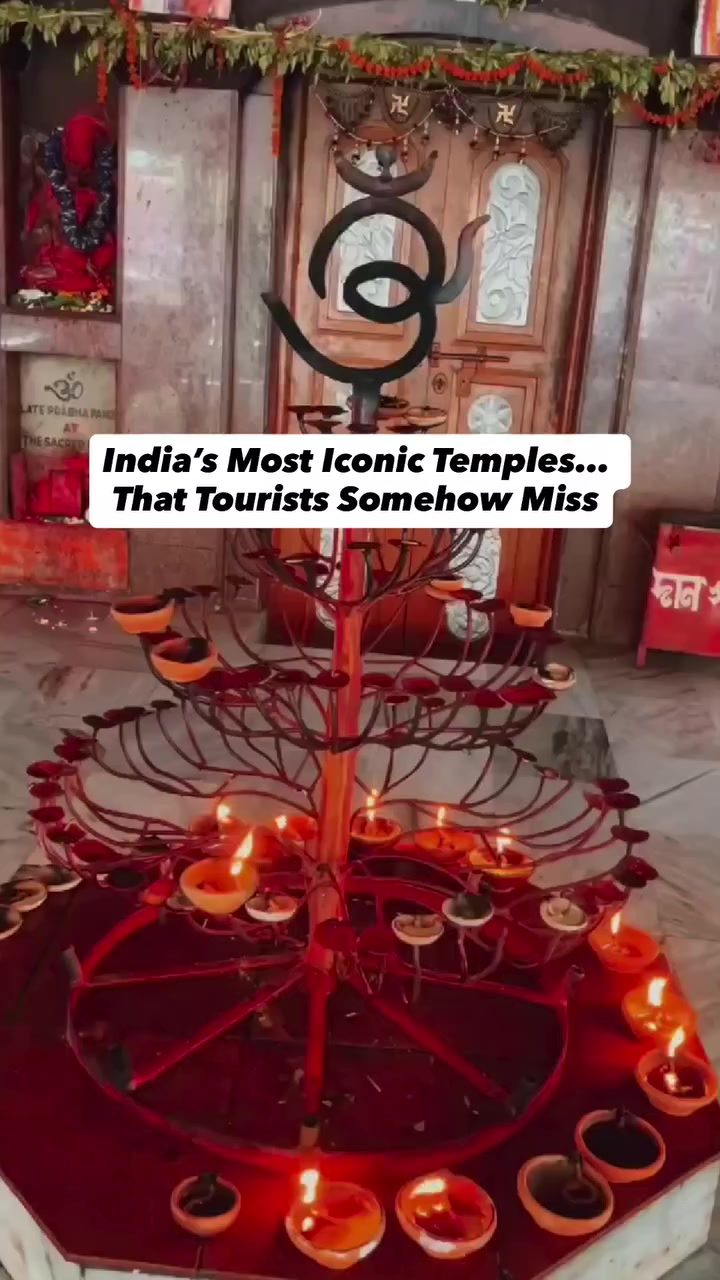
India’s Most Iconic Temples That Tourists Somehow Miss
India is renowned for its rich cultural heritage and stunning architectural marvels, particularly its temples. While many travelers flock to the well-known sites, there are numerous hidden gems that often go unnoticed. These lesser-known temples offer unique experiences, serene atmospheres, and insights into India's diverse religious and cultural tapestry. Here, we explore some of these iconic temples that deserve a spot on every traveler's itinerary.
Why This Matters
Understanding the depth of India’s temple culture is crucial for anyone looking to experience the country's spiritual and historical essence. While popular sites like the Taj Mahal and the Golden Temple of Amritsar are must-visits, venturing off the beaten path reveals a side of India that is equally captivating and often more authentic. These lesser-known temples are not only less crowded but also offer unique architectural styles, rich local traditions, and a more intimate connection with the spiritual heart of India.
Exploring Hidden Gems
Chandranath Temple
Nestled atop a hill in West Bengal, the Chandranath Temple is a serene haven for those seeking peace and stunning panoramic views. The temple is a revered pilgrimage site, especially for devotees of the Hindu goddess Kali, as it is believed to be one of the 51 Shakti Peethas. Located in the picturesque village of Chandranath, the temple offers a tranquil escape from the bustling city life. The climb to the hilltop is an adventure in itself, with lush greenery and serene landscapes making the journey as rewarding as the destination.
Visiting the Chandranath Temple is more than just a religious experience; it is a journey through nature and spirituality. The temple’s architecture is a testament to ancient craftsmanship, with intricate carvings and ornate decor that add to its mystical charm. The serene atmosphere, combined with the panoramic views, makes it an ideal spot for meditation and introspection.
Mangueshi Temple
Situated in Goa, the Mangueshi Temple is a less-known gem dedicated to Lord Shiva. This temple is a vibrant blend of traditional Hindu architecture and modern-day cultural practices. The temple’s vibrant decor, adorned with colorful flowers and decorations, creates a lively and welcoming atmosphere. The lively local culture around the temple adds to its charm, offering travelers a glimpse into the everyday life of the locals.
The architecture of the Mangueshi Temple is a unique blend of traditional Hindu and Indo-Portuguese styles, reflecting the region’s rich history. The temple is also known for its annual festivals, which attract thousands of devotees and tourists alike. The festivities include elaborate rituals, colorful processions, and cultural performances that showcase the region's rich heritage. For those interested in a deeper cultural experience, the Mangueshi Temple and its surrounding area offer a vibrant tapestry of local traditions and customs.
Practical Tips for Visiting
When planning a trip to these lesser-known temples, there are a few practical tips to keep in mind:
- Best Time to Visit: The best time to visit most of these temples is during the winter months (October to March) when the weather is pleasant and ideal for sightseeing. However, if you plan to attend festivals, it’s advisable to check the festival calendar and plan your visit accordingly.
- Dress Code: Respect the local customs and dress modestly. Most temples have a strict dress code, so it’s essential to cover your shoulders and knees.
- Guides and Local Insights: Hiring a local guide can enhance your experience by providing deeper insights into the temple’s history, architecture, and cultural significance. They can also help you navigate the local customs and traditions.
- Cultural Sensitivity: Be mindful of the local customs and rituals. Some temples may have specific rules and etiquettes, so it’s essential to familiarize yourself with them before visiting. Always seek permission before taking photographs, especially inside the temple.
Important Takeaways
India’s lesser-known temples offer a unique blend of spirituality, cultural richness, and architectural beauty. Visiting these hidden gems not only enriches your travel experience but also provides a deeper understanding of India’s diverse cultural heritage. From the serene atmosphere of the Chandranath Temple to the vibrant local culture of the Mangueshi Temple, each of these sites offers a unique and unforgettable experience.
Conclusion
Traveling to India’s iconic but lesser-known temples is a journey of discovery and enlightenment. These hidden gems offer a peaceful escape, vibrant cultural experiences, and a deeper connection with the spiritual heart of India. Whether you are a history enthusiast, a culture vulture, or a spiritual seeker, these temples are sure to leave a lasting impression. So, the next time you plan a trip to India, consider venturing off the beaten path and exploring these hidden treasures. The adventure and insights you gain will be well worth the effort.
Watch the Reel
Questions readers ask
What makes the lesser-known temples in India worth visiting?
These temples offer unique experiences and serene atmospheres that are often overlooked by tourists flocking to the more popular sites. These sites are also rich in history and culture, providing insights into India's diverse heritage and spiritual practices. They also offer authentic experiences and help travelers avoid the crowds at the most popular attractions.
How can visiting lesser-known temples enhance my understanding of India's cultural heritage?
These lesser-known temples provide authentic encounters with the rich religious and cultural tapestry of India. Each temple offers unique architectural styles, historical significance, and local traditions which are not typically experienced at more crowded tourist spots. Visiting these sites allows for a deeper and more meaningful exploration of Indian traditions.
What are some examples of hidden temple gems in India that provide unique experiences?
Temples like the Meenakshi Amman Temple in Madurai, the Bhool Bhulaiya Temple in Madhya Pradesh, and the Konark Sun Temple in Odisha are often overlooked but offer unique experiences. For instance, the Meenakshi Amman Temple is renowned for its vibrant architecture, while the Konark Sun Temple is famous for its intricate carvings and historical significance.
Why is it beneficial to explore temples off the beaten path in India?
Exploring temples off the beaten path allows travelers to escape the crowds and experience a more authentic and serene atmosphere. These sites often offer a more intimate connection with the local culture and provide a deeper understanding of India's religious and historical landscape. Additionally, these temples are often less crowded, allowing for a more peaceful and contemplative experience.
Are there any specific cultural insights that can be gained from visiting lesser-known temples in India?
Yes, visiting these temples provides unique insights into the local traditions, rituals, and beliefs that are often missed at more popular sites. Many of these temples have their own unique stories, festivals, and customs that reflect the diverse cultural heritage of India. Additionally, these sites offer a glimpse into the architectural and artistic traditions of different regions in India.
What should I expect from a serene temple tour in India?
A serene temple tour in India typically involves visiting tranquil, lesser-known temples that offer a peaceful and contemplative atmosphere. These tours often include guided explorations of the temple's architecture, history, and cultural significance, as well as opportunities to participate in local rituals and traditions. Travelers can expect a more intimate and authentic experience, free from the usual tourist crowds.
Related deep dives
Similar reads based on topic and creator.




Recent articles
Fresh deep dives from the latest Reels we unpacked.




Comments
Be the first to comment.