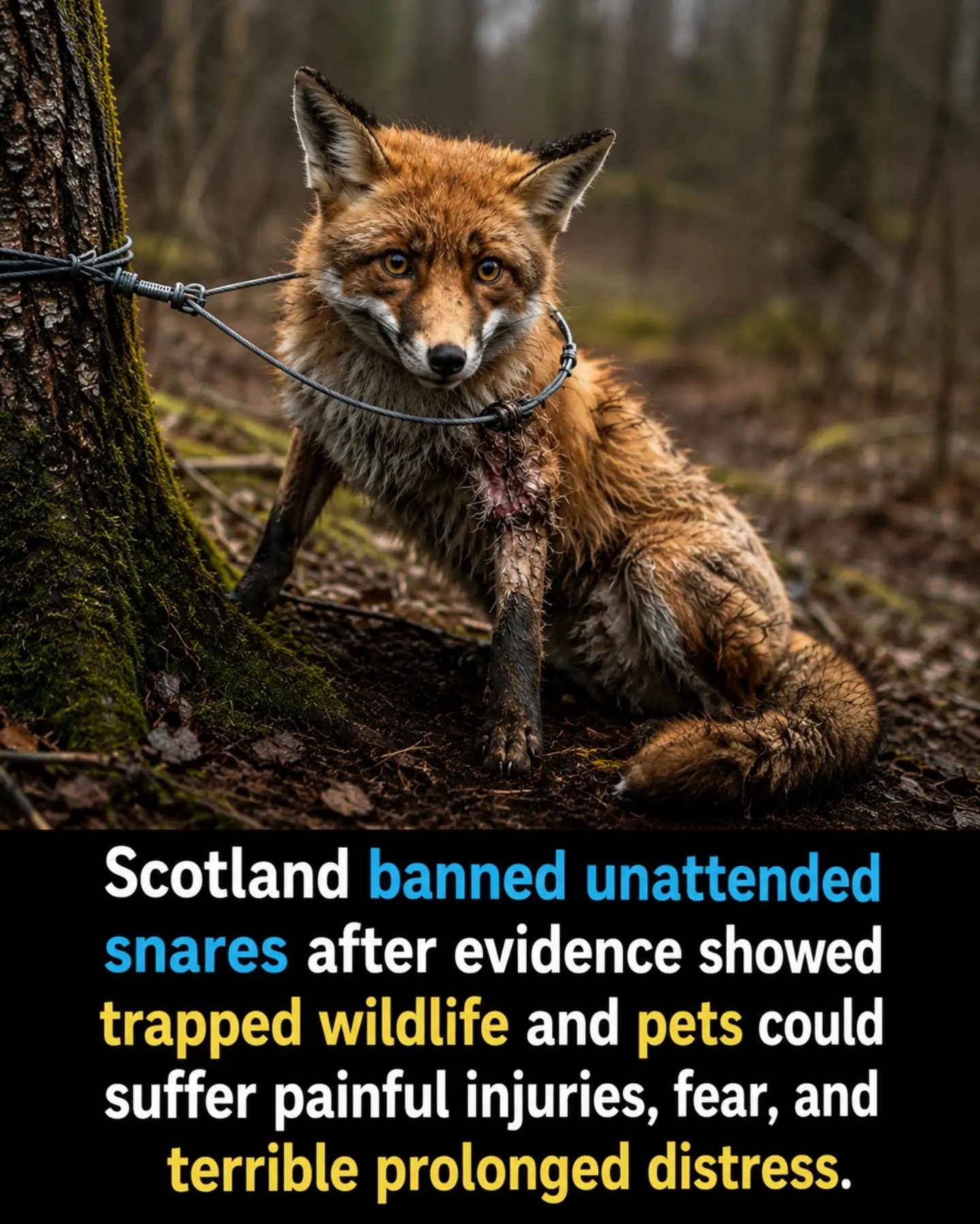
Fox Trapped in Snare
Trapping wildlife with snares can be a contentious and emotive issue, particularly in the context of animal welfare. The distressing sight of a fox trapped in a snare highlights the urgent need to address the use of these devices and their impact on wildlife and pets.
Context / Why This Matters
Snares are devices designed to catch animals by the neck or leg, with the intent of capturing them for various purposes, including pest control and hunting. However, their use has long been a subject of debate due to the potential for causing suffering to both target and non-target animals. The issue gains particular significance in regions where wildlife conservation and animal welfare are prioritized.
Main Discussion
The Impact of Snares on Wildlife
Snares are designed to tighten around an animal's neck or limb when triggered, often leaving the trapped animal with painful injuries. The distress experienced by trapped wildlife can be severe, as they may suffer from fear, prolonged distress, and even death if not quickly released or recovered. In many cases, the animals caught in snares are not the intended targets, such as foxes, which can get trapped alongside other species.
Scotland's Ban on Unattended Snares
In response to mounting evidence of the harmful effects of snares, Scotland implemented a ban on unattended snares. This move was driven by the recognition that these devices could inflict painful injuries, fear, and prolonged distress on trapped wildlife and pets. The ban aims to mitigate these risks by ensuring that any snares used must be attended by a licensed individual, reducing the likelihood of unnecessary suffering.
The Ethical and Legal Considerations
The ethical implications of using snares are significant. Animal welfare organizations and environmental groups argue that snares can cause unnecessary suffering, which raises questions about the ethics of trapping methods. Legally, the ban on unattended snares in Scotland reflects a growing trend toward stricter regulations on trapping practices to ensure better protection for wildlife and domestic animals.
Practical Tips for Wildlife Conservation
Safe Trapping Practices
For those involved in pest control or hunting, adopting safe and ethical trapping practices is crucial. This includes using humane traps that minimize suffering and ensuring that snares are attended to promptly. Always check local regulations and guidelines to ensure compliance with legal standards.
Public Awareness and Reporting
Increasing public awareness about the dangers of snares can help reduce their impact on wildlife. If you encounter a trapped animal, report it to local wildlife authorities or animal welfare organizations. Quick action can make a significant difference in the outcome for the trapped animal.
Alternatives to Snaring
Exploring alternative methods of pest control or wildlife management can be an effective way to reduce reliance on snares. Humane traps, repellents, and exclusion methods are some alternatives that can be considered. Each method has its advantages and limitations, so it's important to choose the one that best fits the specific situation.
Important Takeaways
The use of snares can cause significant harm to wildlife and pets, leading to painful injuries and prolonged distress. Scotland's ban on unattended snares highlights the need for stricter regulations and ethical considerations in trapping practices. Public awareness, safe trapping practices, and reporting incidents can help mitigate the harmful effects of snares on wildlife.
Conclusion
The distressing image of a fox trapped in a snare underscores the urgent need to address the use of these devices and their impact on wildlife. By adopting humane trapping practices, increasing public awareness, and advocating for stricter regulations, we can work towards better protection for wildlife and pets. The ban on unattended snares in Scotland serves as a reminder of the importance of balancing wildlife conservation with ethical considerations.
Watch the Reel
Questions readers ask
What are snares and why are they controversial?
Snares are trapping devices designed to capture animals by the neck or leg. They are controversial due to their potential to cause severe injuries, prolonged suffering, and even death to both target and non-target animals, including pets. This has sparked debates about their use and the need for more humane trapping methods.
How do snares impact wildlife and pets?
Snares can inflict painful injuries and cause significant distress to wildlife and pets. Animals trapped in snares often suffer from wounds, broken limbs, and may experience a slow and agonizing death if not promptly rescued, leading to considerable animal welfare concerns.
What are some of the ethical considerations regarding the use of snares?
Ethical considerations include the suffering inflicted on animals, the potential for non-target species to be caught, and the debate between the perceived benefits of pest control or hunting versus the harm caused to individual animals.
What steps has Scotland taken to address the issue of snares?
Scotland has implemented a ban on unattended snares. This measure aims to reduce unnecessary suffering by ensuring that animals are not left to struggle for extended periods without human intervention. This regulation promotes more ethical and responsible trapping practices.
What are the arguments against the use of snares?
Arguments against snares often focus on the inhumane treatment of animals, the risk of trapping non-target species, and the potential for prolonged suffering. Advocates for animal welfare and rights argue for alternative, more humane methods of pest control and wildlife management.
What should you do if you encounter a trapped animal in a snare?
If you encounter an animal trapped in a snare, it is crucial to contact local wildlife authorities or animal rescue organizations immediately. Do not attempt to remove the snare yourself, as this could cause further injury to the animal or put you in danger.
Are there legal regulations governing the use of snares in different regions?
Yes, many regions have specific laws and regulations governing the use of snares. These regulations often dictate the types of snares that can be used, how they should be set, and under what conditions. For example, Scotland has implemented strict rules to mitigate the risks associated with unattended snares.
Related deep dives
Similar reads based on topic and creator.


Recent articles
Fresh deep dives from the latest Reels we unpacked.




Comments
Be the first to comment.