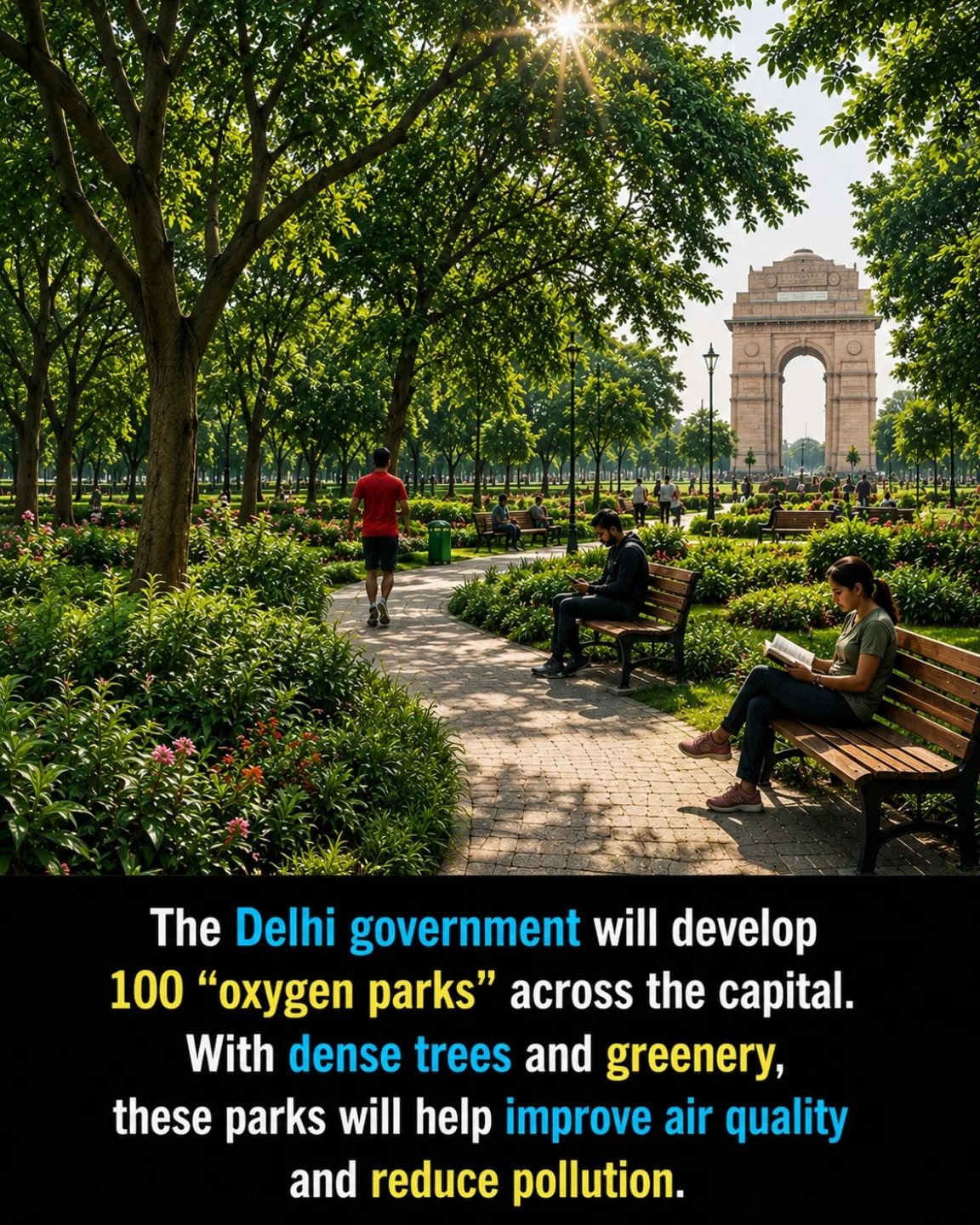
Delhi's Oxygen Parks: A Green Initiative for Cleaner Air
The Delhi government has announced an ambitious plan to develop 100 'oxygen parks' across the capital. These parks are designed to be lush green spaces filled with dense trees and greenery, aiming to improve air quality and reduce pollution.
Why This Matters
Air pollution is a critical issue in Delhi, with high levels of particulate matter and other pollutants posing significant health risks. According to the World Health Organization, Delhi consistently ranks among the most polluted cities in the world. The introduction of oxygen parks is a proactive step towards mitigating this problem, offering a green solution to a pressing environmental challenge.
Delhi's Oxygen Parks: Details and Impact
What Are Oxygen Parks?
Oxygen parks are urban green spaces specifically designed to enhance air quality. These parks feature a high density of trees and other vegetation, which absorb carbon dioxide and release oxygen through photosynthesis. The greenery also helps filter out other pollutants, such as particulate matter and nitrogen oxides, from the air.
The Plan
The Delhi government's initiative involves developing 100 such parks across the city. These parks will be strategically located to maximize their impact on air quality in densely populated and industrially active areas. The parks will not only serve as breathing spaces for the city's residents but also act as critical points in the city's ecological framework.
Benefits of Oxygen Parks
The benefits of these parks extend beyond just improving air quality. They provide numerous environmental and social advantages:
- Improved Air Quality: The dense greenery will help filter out pollutants, making the air cleaner and healthier for residents.
- Reduced Urban Heat Island Effect: Green spaces can help mitigate the urban heat island effect, where urban areas are significantly warmer than their rural surroundings due to human activities.
- Enhanced Biodiversity: These parks will create habitats for various species, promoting biodiversity in an urban setting.
- Community Spaces: Oxygen parks will serve as recreational areas for residents, providing spaces for relaxation, exercise, and community gatherings.
- Mental Health Benefits: Access to green spaces has been linked to improved mental health, reducing stress and anxiety.
Key Features of Oxygen Parks
Each oxygen park will be thoughtfully designed to maximize its environmental benefits. Key features include:
- Diverse Plant Species: A variety of trees, shrubs, and grasses will be planted to ensure a rich ecosystem.
- Water Bodies: Small ponds or fountains can help cool the surrounding area and support aquatic life.
- Walking Paths and Benches: These amenities will encourage visitors to spend more time in the park, enhancing community engagement.
- Cleaning Facilities: To ensure the parks remain clean and inviting, waste management facilities and regular maintenance will be prioritized.
Practical Tips for Maximizing the Benefits of Oxygen Parks
While the government's initiative is commendable, residents can also play a role in maximizing the benefits of these parks.
Community Involvement
- Volunteer for Maintenance: Participate in local clean-up drives and tree-planting events. This not only keeps the parks clean but also fosters a sense of community.
- Report Issues: If you notice any issues, such as broken benches or overflowing trash cans, report them to the local authorities promptly.
- Encourage Friends and Family: Share the benefits of oxygen parks with friends and family, encouraging them to visit and appreciate these green spaces.
Personal Contributions
- Plant Trees and Shrubs: If you have the space, consider planting trees and shrubs in your garden or balcony. Every green contribution helps.
- Use Public Transportation: Reduce your carbon footprint by opting for public transportation, cycling, or walking instead of driving.
- Reduce Waste: Minimize your waste production and recycle as much as possible. This reduces the amount of waste that ends up in landfills, further contributing to pollution.
Important Takeaways
Delhi's oxygen parks are a significant step towards creating a greener, healthier city. Here are some key takeaways:
- Environmental Impact: These parks will play a crucial role in improving air quality and reducing pollution in Delhi.
- Community Benefits: They offer spaces for recreation, relaxation, and community gatherings, enhancing the quality of life for residents.
- Eco-friendliness: By promoting biodiversity and mitigating the urban heat island effect, these parks contribute to a more sustainable urban environment.
- Public Engagement: Community involvement is essential for the success of these parks, from volunteering for maintenance to encouraging friends and family to visit.
Conclusion
The development of 100 oxygen parks by the Delhi government is a commendable initiative aimed at addressing the city's air pollution problems. These green spaces will not only improve air quality but also offer numerous environmental and social benefits. By understanding the importance of these parks and actively participating in their maintenance, residents can play a vital role in making Delhi a cleaner, greener, and healthier city.
Watch the Reel
Questions readers ask
What are the primary goals of Delhi's 100 Oxygen Parks initiative?
The primary goals are to enhance air quality, reduce pollution, and create green spaces for residents. By focusing on dense vegetation, these parks aim to absorb pollutants and produce oxygen, contributing to a healthier urban environment.
How will the 100 Oxygen Parks be distributed across Delhi?
The parks will be strategically located in areas most affected by air pollution. This targeted approach ensures that the benefits of improved air quality are felt where they are needed the most.
What types of vegetation will be planted in these oxygen parks?
The parks will feature a variety of dense trees and greenery specifically chosen for their ability to absorb pollutants and produce oxygen. This includes a mix of native and non-native plant species that thrive in Delhi's climate.
What are the expected benefits of these parks for Delhi residents?
Residents can look forward to cleaner air, enhanced recreational spaces, and a more aesthetically pleasing environment. The parks will also provide opportunities for community engagement and outdoor activities.
How does the initiative align with other environmental projects in Delhi?
This initiative complements other environmental projects by the Delhi government, such as tree planting drives and urban forestry programs. It is part of a broader effort to integrate greenery into the urban landscape and promote sustainable living.
What role do these parks play in reducing air pollution?
The dense vegetation in oxygen parks helps to capture and neutralize pollutants like particulate matter and nitrogen oxides. The plants absorb these harmful substances and release oxygen, directly improving local air quality.
How can residents support and engage with the 100 Oxygen Parks initiative?
Residents can support the initiative by participating in local tree-planting activities, maintaining the parks, and advocating for more green spaces in their communities. Engaging in these efforts helps ensure the long-term success and sustainability of the oxygen parks.
Related deep dives
Similar reads based on topic and creator.




Recent articles
Fresh deep dives from the latest Reels we unpacked.




Comments
Be the first to comment.