Air Filter Walls: The Misconceptions and Reality of Border Air Filtration
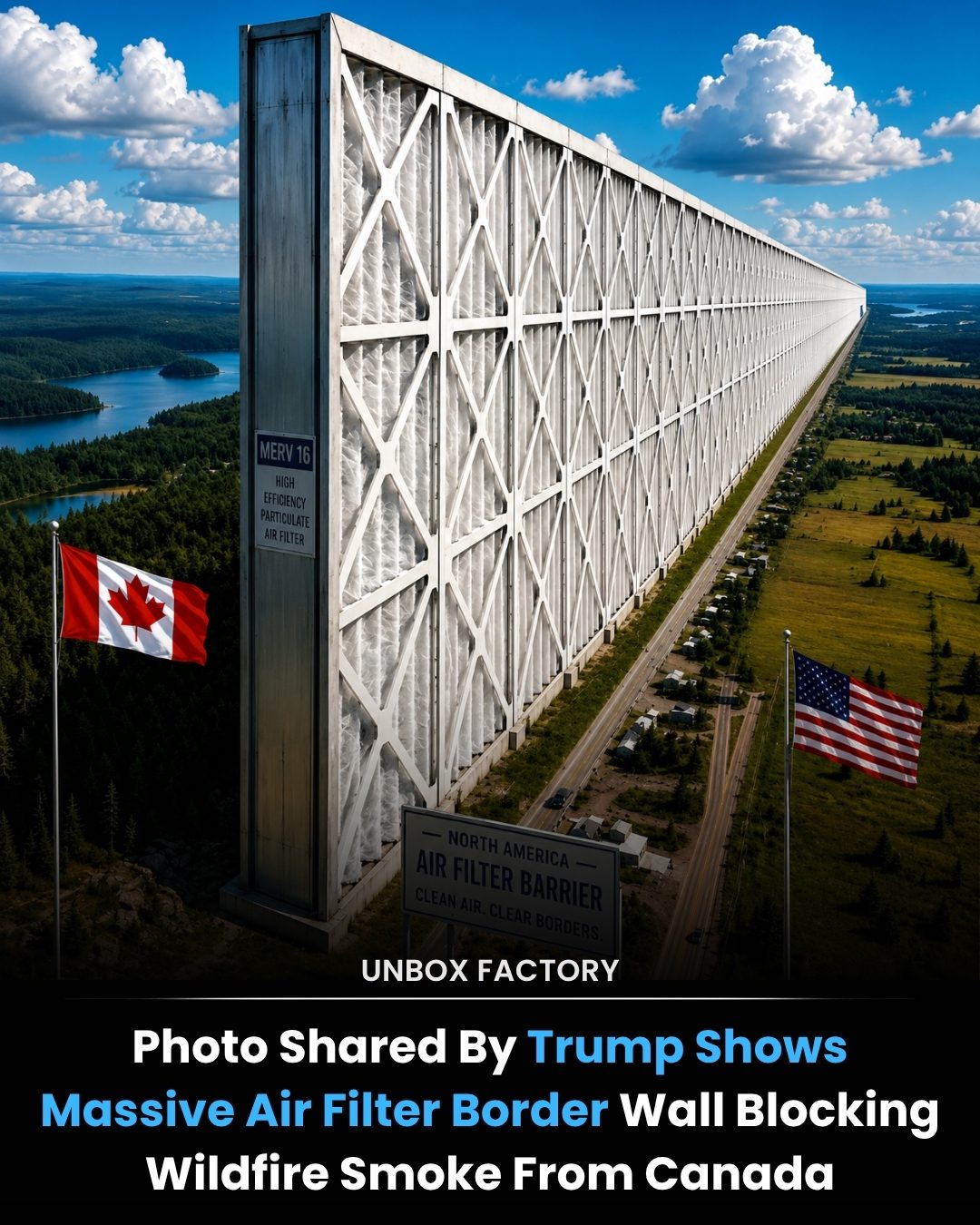
Air filter walls along international borders have recently gained attention, particularly in the context of wildfires and air quality. The idea of a massive air filter wall designed to block wildfire smoke from Canada has captivated public imagination, especially after a viral image shared by President Trump. However, this image is AI-generated, and no such physical structure exists, prompting a closer look at the reality of air filtration technology and its role in improving air quality.
Why This Matters
With massive Canadian wildfires degrading air quality for over 100 million people across North America, the need for effective air filtration methods is more pressing than ever. The spread of wildfire smoke has far-reaching effects on public health, prompting speculations about unconventional solutions. Understanding the capabilities and limitations of air filtration technology is crucial for developing practical and effective measures to combat air pollution.
The Concept of Air Filter Walls
Understanding the Vision
The concept of an air filter wall involves a massive structure designed to filter out pollutants and particulate matter from the air. The idea is to create a physical barrier that traps harmful substances, preventing them from entering a specific area. In theory, such a wall could be an effective solution for regions plagued by wildfire smoke or industrial pollution.
Technical Feasibility
The term "Air Filter Barrier" and the phrase "Clean Air Clear Borders" suggest a high-efficiency (MERV 16) filter system. MERV 16 filters are highly efficient at capturing tiny particles, but deploying such filters across thousands of miles of an international border presents significant engineering and logistical challenges. There is currently no commercially available technology capable of filtering wildfire smoke across such an expansive area.
Current Reality
While the concept of an air filter wall is intriguing, the reality is far more complex. Current air filtration technologies are effective within enclosed spaces or local areas but are not scalable to cover vast geographical regions. The idea of filtering air over thousands of miles is currently beyond our technological capabilities.
Air Filtration Technology
How Air Filters Work
Air filters function by trapping particles in the air as it passes through the filter material. The effectiveness of an air filter is measured by its Minimum Efficiency Reporting Value (MERV). Higher MERV ratings indicate better filtration capabilities. For instance, a MERV 16 filter can capture particles as small as 0.3 microns, making it highly effective for trapping pollen, dust mites, and even some bacteria.
Types of Air Filters
Air filters come in various types, each suited for different applications:
- HEPA Filters: High-Efficiency Particulate Air (HEPA) filters are designed to capture 99.97% of particles that are 0.3 microns or larger. They are commonly used in households and industrial settings.
- Activated Carbon Filters: These filters use activated carbon to absorb odors and volatile organic compounds (VOCs). They are often used in combination with other filters for comprehensive air purification.
- Electrostatic Filters: These filters use an electric charge to attract and trap particles. They are effective for capturing smaller particles but may require regular cleaning to maintain efficiency.
Applications in Home Improvement
Air filters are commonly used in home improvement projects to enhance indoor air quality. They are integrated into HVAC systems, air purifiers, and even custom-built structures to create clean air environments. For instance, UNBOX FACTORY, a brand known for innovative home improvement solutions, offers high-efficiency air filters that can be customized for various applications.
Practical Tips for Improving Air Quality
For Homeowners
- Invest in Quality Air Filters: Use air filters with high MERV ratings to capture a wide range of particles. Ensure the filters are compatible with your HVAC system or air purifier.
- Regular Maintenance: Replace air filters regularly to maintain their efficiency. Filter replacements should be scheduled based on the manufacturer's recommendations and the level of air pollution in your area.
- Seal Leaks: Properly seal any gaps or leaks in your home to prevent contaminated air from entering. This includes sealing windows, doors, and ventilation ducts.
- Consider Air Purifiers: Air purifiers can be highly effective in reducing indoor air pollution. Choose a unit with a HEPA filter for maximum efficiency.
For Communities
- Citywide Air Quality Monitoring: Implementing a citywide air quality monitoring system can help identify areas with high pollution levels and inform residents about potential health risks.
- Green Spaces: Increasing green spaces in urban areas can help reduce air pollution. Trees and plants act as natural filters, absorbing pollutants and releasing clean oxygen.
- Public Awareness: Educate the public about the importance of air quality and the steps they can take to improve it. This includes providing information on the proper use of air filters and the benefits of maintaining clean air environments.
Important Takeaways
- AI-Generated Images: The concept of a massive air filter wall along the U.S.-Canada border is an AI-generated image and does not represent a real engineering project. As of now, no such structure exists, and the technology to filter wildfire smoke across thousands of miles of an international border does not exist.
- Current Air Filtration Technology: Current air filtration technology is effective within enclosed spaces or local areas. High-efficiency filters, such as those with MERV 16 ratings, can capture tiny particles but are not scalable to cover vast geographical regions.
- Public Health Concerns: Wildfires and industrial pollution pose significant public health risks. Effective air filtration methods are crucial for protecting public health and ensuring clean air environments.
Conclusion
The idea of an air filter wall blocking wildfire smoke along the U.S.-Canada border is an intriguing concept that has captured public imagination. However, the reality is more complex. While current air filtration technology is effective in local areas, the idea of filtering wildfire smoke across thousands of miles of an international border is currently beyond our capabilities. Understanding the limitations and capabilities of air filtration technology is essential for developing practical and effective measures to combat air pollution.
Watch the Reel
Questions readers ask
Can an air filter wall effectively block wildfire smoke from crossing borders?
No, air filter walls cannot effectively block wildfire smoke. Smoke particles are tiny and can easily pass through even the densest filters. Additionally, the sheer size and cost of such a structure make it impractical.
What are some realistic solutions to mitigate the impact of wildfire smoke?
Realistic solutions include local air filtration systems, wearing masks designed for particulate matter, and staying indoors with windows closed during peak smoke hours. Additionally, improving wildfire management and early detection systems can help reduce the spread of wildfires.
Why was there confusion around an air filter wall along the Canada-U.S. border?
The confusion stems from a viral image shared by a political figure that suggested the construction of a massive air filter wall. This image was AI-generated and not based on any real plan or project, leading to misconceptions about the feasibility of such a structure.
How does wildfire smoke from Canada impact the United States?
Wildfire smoke from Canada can significantly degrade air quality in the United States, leading to health issues for those who are sensitive to smoke, especially in the northern and central regions. Smoke can travel thousands of miles, impacting air quality for millions of people.
What are the health risks associated with wildfire smoke exposure?
Exposure to wildfire smoke can cause a range of health issues, including respiratory problems, eye irritation, and even exacerbation of existing conditions like asthma and heart disease. Prolonged exposure can be particularly dangerous for vulnerable populations, such as children, the elderly, and those with pre-existing health conditions.
How can individuals protect themselves from wildfire smoke?
To protect against wildfire smoke, individuals can use N95 or P100 masks, stay indoors with windows and doors closed, and use air purifiers indoors. Monitoring air quality indexes can also help determine when it is safe to be outdoors or when precautions should be taken.
What is being done to prevent wildfires in Canada?
Wildfire prevention in Canada involves a multi-pronged approach, including early detection, controlled burns, and public awareness campaigns. Additionally, resources are dedicated to firefighting and research into more effective fire management techniques. These efforts help minimize the number and intensity of wildfires, reducing their impact on air quality.
Related deep dives
Similar reads based on topic and creator.


Recent articles
Fresh deep dives from the latest Reels we unpacked.




Comments
Be the first to comment.