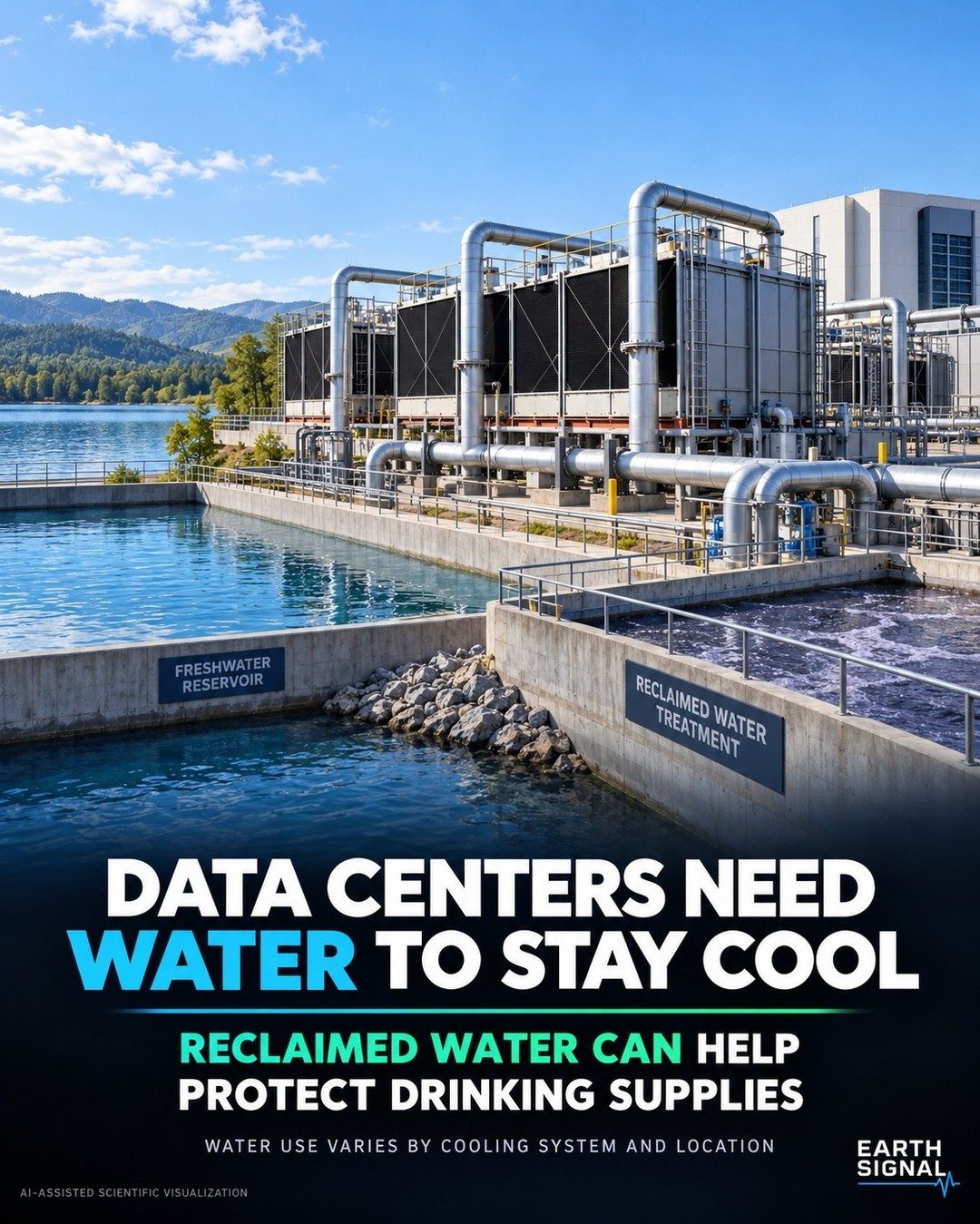
Water's Underrated Role in Data Center Cooling
Water might not be the first thing that comes to mind when considering data centers. Yet, it's a critical resource. Data centers require significant amounts of water for cooling. In a world that relies heavily on digital infrastructure, the importance of water in this context is often overlooked. But, as Earth Signal notes, "Data centers need water to stay cool," underscoring a fundamental truth about these facilities. The power demands of our digital age aren't the only insatiable appetite these industrial complexes have. They consume enormous amounts of water, primarily for cooling. The cooling systems in these centers are tasked with maintaining optimal temperatures for the servers, which is essential to prevent overheating and hardware failures. This cooling process, however, doesn't rely solely on electricity but also heavily on water, as it's an efficient means to dissipate heat. Without water, data centers would face significant challenges in maintaining their operational efficiency. Water's thermal properties make it an ideal coolant. However, the sheer volume of water required is staggering, and it's not just the quantity that matters but also the source. This leads to the next issue: sustainability. Data centers are under scrutiny for their environmental impact, and their water usage is a critical aspect. It's an issue that's gaining traction, and it's not just about the quantity of water used but also about the source.
The Issue of Freshwater Consumption
One of the major concerns surrounding data centers is their reliance on freshwater. As the world grapples with water scarcity, the high demand for freshwater by these centers is increasingly problematic. But there's a solution on the horizon, one that data centers are starting to explore: reclaimed water. Reclaimed water is wastewater that's been treated to remove solids and impurities, making it suitable for uses that don't involve drinking or cooking. It's a sustainable alternative to freshwater, and it's crucial in reducing the environmental impact of data centers. By utilizing treated wastewater, data centers can significantly reduce their reliance on freshwater. Supplying these vast complexes with reclaimed water can dramatically shrink their freshwater footprint, especially in regions where water resources are scarce. This transition isn't merely a path to sustainability. It's also about sustainability. By adopting reclaimed water, data centers can mitigate the strain on local water resources and contribute to more sustainable water management practices. It's a step towards ensuring that the digital age doesn't come at the expense of our planet's resources.
Why Cooling Systems and Location Matter
It's not just about the type of water used; it's also about how cooling systems function and where these centers are located. Water usage varies significantly depending on the cooling system and geographical location. This variability is essential to consider when discussing water usage in data centers. The efficiency of a cooling system can greatly influence the volume of water consumed. For example, certain cooling systems may require more water than others due to their design and operational mechanisms. Similarly, the geographical location of a data center can impact water usage. Centers situated in cooler climates may require less water for cooling than those in warmer regions. These factors underscore the importance of tailoring water management strategies to specific data centers based on their operational needs and environmental conditions. Understanding the specifics and tailoring the process to the specific conditions of each center and region could yield more sustainable use of water and prioritize projected centers on the map. Data centers play a pivotal role in the digital age, but their impact on water resources is an issue that needs to be addressed promptly and decisively. The disparity in water usage based on these factors highlights the need for a nuanced understanding of water management in data centers.
Watch the Reel
Related deep dives
Similar reads based on topic and creator.


Recent articles
Fresh deep dives from the latest Reels we unpacked.


Comments
Be the first to comment.