Water Scarcity and Community Action in Botetourt County
Water scarcity is quickly becoming a critical issue in Botetourt County, Virginia. Residents are grappling with the potential impact of a massive AI data center on their local water supply, highlighting a broader concern about water management and resource allocation.
Why This Matters
The situation in Botetourt County underscores the growing tension between industrial expansion and community water resources. In an era where technology and data centers are flourishing, the need for massive amounts of water raises significant concerns. The local community is at the forefront of a larger debate about water usage, environmental sustainability, and the role of technology in rural areas.
The Issue in Botetourt County
The Data Center Controversy
The crisis in Botetourt County centers around a proposed AI data center. Initially proposed as a beneficial addition to the local economy, public sentiment has shifted dramatically as residents became aware of the facility's vast water requirements. The Southwest Virginia Data Center Transparency Alliance filed a freedom of information (FOIA) request after residents felt their questions about the data center’s water usage went unanswered. The FOIA request revealed that the facility might consume 10-11 million gallons of water daily, far exceeding the 2 million gallons publicly disclosed. This discrepancy sparked public outrage and concern about the sustainability of such a water-intensive operation.
The Residents' Response
The revelation about the data center’s water usage has galvanized the community. Over 15,000 residents signed a petition, standing together to protect their water. This collective action underscores the community's resolve to safeguard their most precious resource. Public rallies at the state Capitol have been organized, demanding greater transparency and accountability from state officials and corporate entities.
The Environmental Impact
Drought Conditions
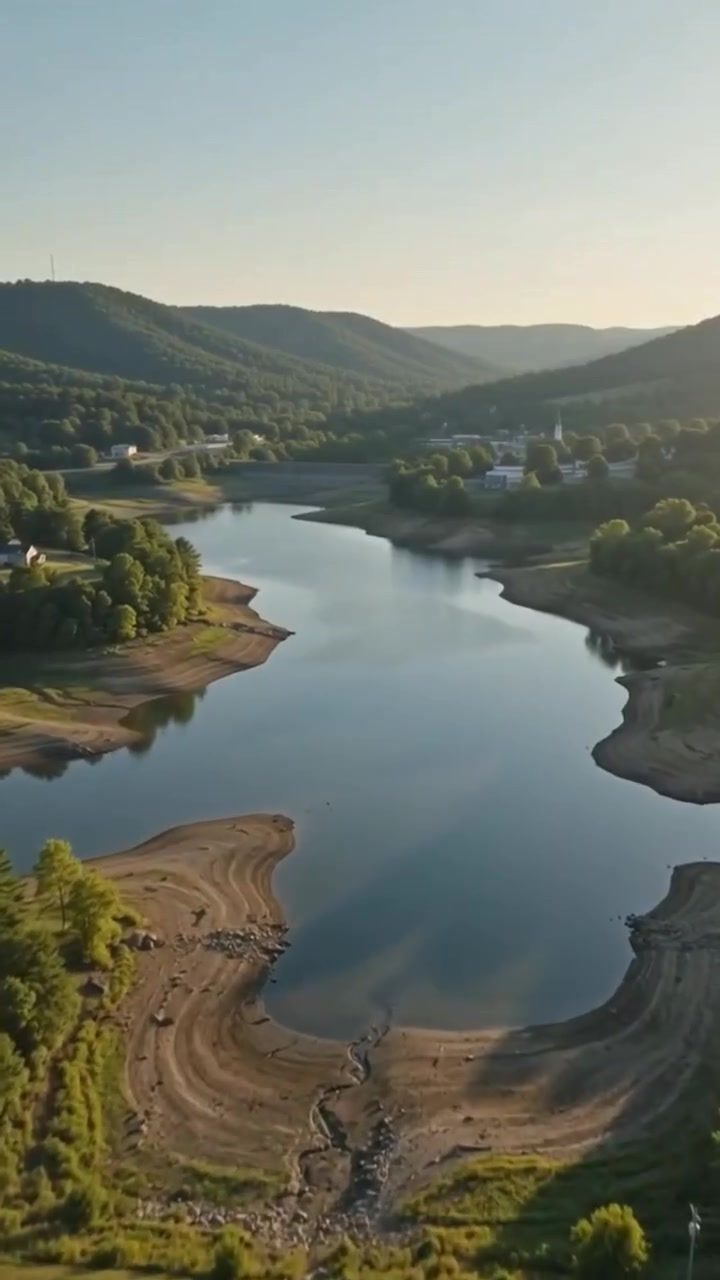
The situation is exacerbated by Virginia’s ongoing drought, which has left Spring Hollow Reservoir, the town’s primary water source, at only 19 feet below its normal level. This low water level is a stark reminder of the region's vulnerability to water scarcity. The drought, combined with the proposed data center’s water needs, raises alarming questions about the future of water availability in the area.
Water Management and Sustainability
The controversy around the data center has brought water management practices into sharp focus. Effective water management is crucial for sustaining both human and ecological systems. This includes implementing conservation measures, monitoring water usage, and ensuring equitable distribution of water resources. The situation in Botetourt County underscores the need for sustainable practices and robust regulations to prevent future crises.
The Role of Technology in Water Scarcity
AI and Data Centers
AI data centers are vital for modern technology infrastructure, but they come with a significant environmental footprint. The energy and water consumption of these facilities are substantial, and their impact on local ecosystems can be profound. As the demand for AI and data services grows, so does the need for sustainable solutions that balance technological progress with environmental stewardship.
Innovation in Water Use
There is a growing movement toward innovative water-saving technologies. This includes advanced filtration systems, water recycling, and even AI-driven water management solutions. These innovations can help mitigate the impact of data centers on local water resources, ensuring that technological progress does not come at the expense of the environment.
Practical Tips for Water Conservation
Individual Efforts
Individual actions can significantly reduce water usage. Simple steps such as fixing leaks, using water-efficient appliances, and practicing water-saving habits, like shorter showers and turning off the tap while brushing teeth, can add up to substantial savings.
Community Initiatives
Community-based conservation efforts can amplify individual actions. Local governments can play a critical role by promoting water-saving campaigns, installing water-efficient infrastructure, and enforcing regulations that prioritize sustainable water use.
Corporate Responsibility
Corporations, especially those in water-intensive industries, must take a proactive role in water conservation. This includes investing in water-saving technologies, adopting sustainable practices, and collaborating with local communities to ensure responsible water use.
Important Takeaways
Transparency and Accountability
The situation in Botetourt County highlights the importance of transparency and accountability in water management. Communities must demand clear and accurate information about water usage, and corporations must be held accountable for their environmental impact.
Community Engagement
Community engagement is crucial for effective water management. Residents must be involved in decision-making processes that affect their water resources. Their collective voice can drive meaningful change and ensure that their needs are met.
Balancing Progress and Sustainability
As technology continues to advance, it is essential to find a balance between progress and sustainability. Innovative solutions and responsible practices can help mitigate the environmental impact of data centers and other water-intensive industries.
Conclusion
The water scarcity issue in Botetourt County serves as a wake-up call for communities and corporations alike. It underscores the urgency of implementing sustainable water management practices and the importance of community engagement in decision-making processes. By prioritizing transparency, accountability, and innovation, we can ensure that technological progress does not come at the expense of our most precious resources.
Watch the Reel
Questions readers ask
What is the primary concern of Botetourt County residents regarding the proposed AI data center?
Residents are primarily concerned about the vast water requirements of the proposed AI data center, which could potentially deplete local water supplies. The facility is projected to consume millions of gallons of water daily, raising alarms about water scarcity in the region.
What actions are community members taking to address their concerns?
Community members in Botetourt County are organizing and creating petitions to challenge the data center's water usage and demand greater transparency from both corporate entities and state authorities. Their goal is to ensure that their water resources are managed responsibly and sustainably.
What is the role of the Virginia state government in managing the data center's water use?
The Virginia state government plays a crucial role in managing the water resources and regulating the operations of large-scale facilities like the proposed AI data center. Residents are calling for more stringent regulations and better oversight to ensure that water consumption is balanced with the needs of the local community.
How does the proposed data center's water usage compare to other industrial activities in the area?
The proposed AI data center's water usage is exceptionally high, with estimates suggesting it could consume millions of gallons daily. This level of consumption is significantly greater than that of many other industrial activities in the region, making it a unique and pressing concern for local water management.
What are the broader implications of the situation in Botetourt County for other communities?
The water scarcity crisis in Botetourt County serves as a warning for other communities facing similar challenges posed by industrial expansion. It highlights the need for careful planning, transparent communication, and balanced resource allocation to prevent conflicts between technological progress and community water needs.
What can other communities learn from the water management practices in Botetourt County?
Other communities can learn the importance of proactively addressing water management issues and ensuring transparency in data center operations. By advocating for clear regulations and community involvement, they can better navigate the complexities of balancing industrial growth and water sustainability.
Related deep dives
Similar reads based on topic and creator.



Recent articles
Fresh deep dives from the latest Reels we unpacked.




Comments
Be the first to comment.