The Rising Opposition to Large-Scale AI Data Centers Across the U.S.
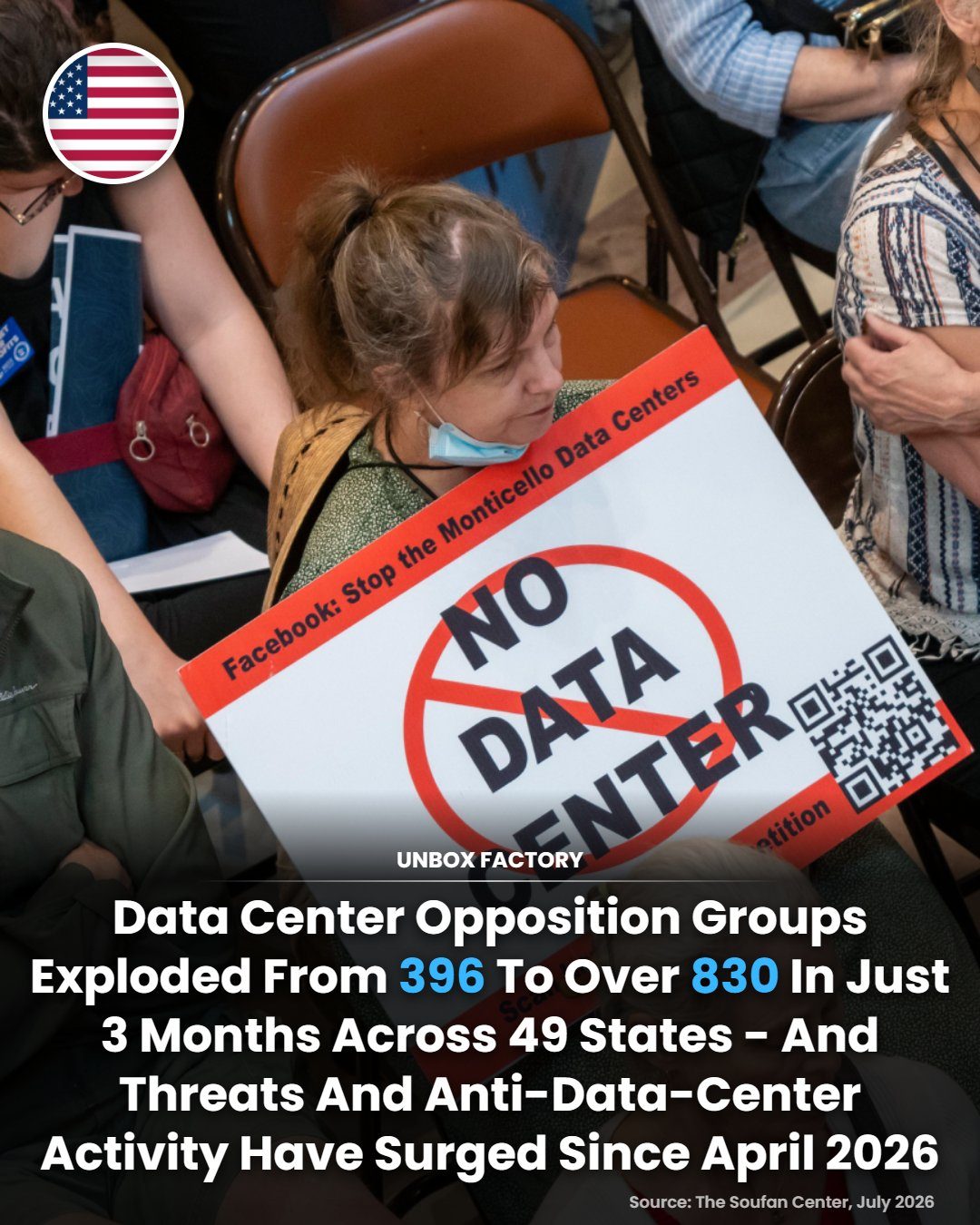
Large-scale AI data center projects are facing a surge in opposition, with the number of organizations fighting these developments increasing from 396 to over 830 groups across 49 U.S. states in just three months. The rapid growth in opposition reflects mounting concerns over the substantial infrastructure demands and environmental impacts associated with these facilities.
Why This Matters
Data centers are essential for the functioning of modern technology, but their rapid expansion, particularly in the context of artificial intelligence, is sparking significant public debate. The concerns range from electricity demand and freshwater consumption to industrial noise, land use, and environmental impacts. Addressing these issues is crucial for balancing technological progress with community and environmental sustainability.
The Rapid Growth of Opposition
The opposition to data centers has grown considerably, and the reasons behind this surge are multifaceted. The primary concerns revolve around the immense infrastructure demands of artificial intelligence. For instance, some next-generation AI campuses require more than 1 gigawatt of electricity—enough to power hundreds of thousands of homes. This places a significant strain on local electricity grids and raises utility costs for residents.
Community Concerns
Electricity Demand
One of the most pressing concerns is the electricity demand. Hyperscale AI facilities consume vast amounts of energy, which can lead to increased electricity costs for local communities. The strain on the grid can also result in power outages and disruption of essential services during peak usage times. This is a critical issue for communities that are already struggling with high energy costs.
Freshwater Consumption
Data centers require significant amounts of water for cooling and other operational needs. This can put a strain on local water resources, particularly in areas where water is already scarce. Freshwater consumption by data centers has raised concerns about the impact on local ecosystems and the availability of water for residents and agriculture.
Industrial Noise and Land Use
The construction and operation of data centers can generate significant industrial noise, which can be a nuisance for nearby residents. Additionally, these facilities often require large tracts of land, which can lead to conflicts over land use and potential displacement of local communities.
Environmental Impacts
The environmental impacts of data centers are a growing concern. The construction and operation of these facilities can lead to deforestation, habitat destruction, and increased greenhouse gas emissions. The environmental footprint of data centers is a critical issue for communities that prioritize environmental sustainability.
Rising Utility Costs
The operational costs associated with data centers, including electricity and water usage, can lead to increased utility costs for residents. This can be a significant financial burden for communities, particularly those that are already struggling with high living costs. Raising concerns about the financial impacts of data centers is crucial for ensuring that technological progress does not come at the expense of community well-being.
The Future of Data Center Development
The increasing opposition to data centers is likely to shape the future of their development. Governments, policymakers, and technology companies will need to address these concerns to ensure that data centers can continue to operate while minimizing their impact on local communities and the environment.
Practical Tips for Communities and Policymakers
Engage in Public Dialogue
Communities and policymakers should engage in open and transparent dialogue with technology companies and developers. This can help address concerns and ensure that the benefits and impacts of data centers are fully understood by all stakeholders.
Promote Sustainable Practices
Promoting sustainable practices in data center design and operation can help mitigate some of the environmental and community concerns. This can include using renewable energy sources, implementing water-efficient cooling systems, and adopting noise reduction technologies.
Develop Comprehensive Policies
Developing comprehensive policies and regulations for data center development can help address the concerns of local communities. This can include setting limits on water and electricity usage, requiring environmental impact assessments, and ensuring that local residents are consulted in the planning process.
Encourage Research and Innovation
Encouraging research and innovation in data center design and operation can help address some of the challenges associated with these facilities. This can include developing more efficient cooling systems, improving energy management, and exploring new construction materials.
Important Takeaways
The rapid growth in opposition to large-scale AI data centers highlights the need for a balanced approach to technological development. Addressing the concerns of local communities and minimizing the environmental impacts of data centers is crucial for ensuring that technological progress does not come at the expense of community well-being and environmental sustainability.
Conclusion
The surge in opposition to large-scale AI data centers reflects a growing awareness of the infrastructure demands and environmental impacts of these facilities. Addressing these concerns is crucial for ensuring that data centers can continue to operate while minimizing their impact on local communities and the environment. Through open dialogue, sustainable practices, comprehensive policies, and innovation, it is possible to balance the benefits of data centers with the needs of local communities and the environment.
Watch the Reel
Questions readers ask
What are the primary concerns driving the opposition to AI data centers across the U.S.?
The main concerns revolve around the significant infrastructure demands and environmental impacts of these facilities. These include high electricity consumption, substantial freshwater usage, and other environmental issues that affect local communities and ecosystems.
How many states in the U.S. are currently experiencing opposition to large-scale AI data centers?
As of recent reports, 49 states in the U.S. are facing notable opposition to large-scale AI data centers.
What is the significance of the surge in opposition to AI data centers?
The rapid increase in resistance reflects a growing public awareness and concern over the balance between technological advancement and the sustainability of communities and the environment. It indicates a strong push for more sustainable practices in the tech industry.
Why are data centers essential for modern technology?
Data centers are crucial for storing, processing, and distributing digital information, which is the backbone of modern technology. They support everything from cloud computing to artificial intelligence, making them indispensable for contemporary technological functioning.
How has the number of organizations opposing data centers changed recently?
The number of organizations fighting against large-scale AI data center projects has significantly increased, rising from 396 to over 830 groups across the United States in just three months. This surge highlights the growing public and organizational concern over the impacts of these facilities.
What environmental impacts are associated with AI data centers?
AI data centers consume large amounts of electricity and freshwater, contributing to environmental concerns such as increased greenhouse gas emissions and water depletion. Additionally, they can lead to issues like industrial noise and land use changes, which impact local communities and ecosystems.
What is the challenge in balancing technological progress with community and environmental sustainability?
The challenge lies in addressing the significant infrastructure and resource demands of data centers while minimizing their environmental impacts and ensuring that the benefits of technological advancements do not come at the expense of community well-being and environmental sustainability.
Related deep dives
Similar reads based on topic and creator.


Recent articles
Fresh deep dives from the latest Reels we unpacked.




Comments
Be the first to comment.