Data Center Expansion Across the United States
Data centers are essential components of modern digital infrastructure. The United States now hosts more than 5,000 data centers, making it the world's largest concentration of digital infrastructure. These facilities are critical for the development and deployment of AI technologies, but their rapid expansion raises significant environmental and infrastructural concerns.
Why This Matters
The expansion of data centers, particularly those dedicated to AI, is a crucial issue for several reasons. These facilities are not only major consumers of electricity but also significant users of water for cooling. Their impact on local communities can be substantial, affecting electricity costs, water resources, land use, and long-term environmental sustainability.
Data Centers and AI Development
The Current Landscape
The rapid growth of AI technologies has driven the need for more data centers. These facilities are essential for storing, processing, and analyzing the vast amounts of data that AI systems require. However, the energy consumption of data centers is a significant concern. Next-generation AI campuses can require hundreds of megawatts to over 1 gigawatt of electricity daily. Additionally, data centers consume millions of gallons of water each day for cooling, placing a significant strain on local water resources.
Environmental Impact
The environmental impact of data centers is multifaceted. The construction of these facilities often involves large plots of land, which can lead to deforestation and habitat destruction. Additionally, the significant energy consumption contributes to greenhouse gas emissions, exacerbating climate change. The water usage for cooling can also strain local water supplies, affecting both human and natural ecosystems.
Community Concerns
Communities nationwide are increasingly concerned about the environmental impacts of data centers. Residents are beginning to question how these facilities might affect their local electricity costs, water resources, and land use. Greater transparency regarding these impacts is essential to enable communities to make informed decisions.
Erin Brockovich's Tracking Map
The Map's Purpose
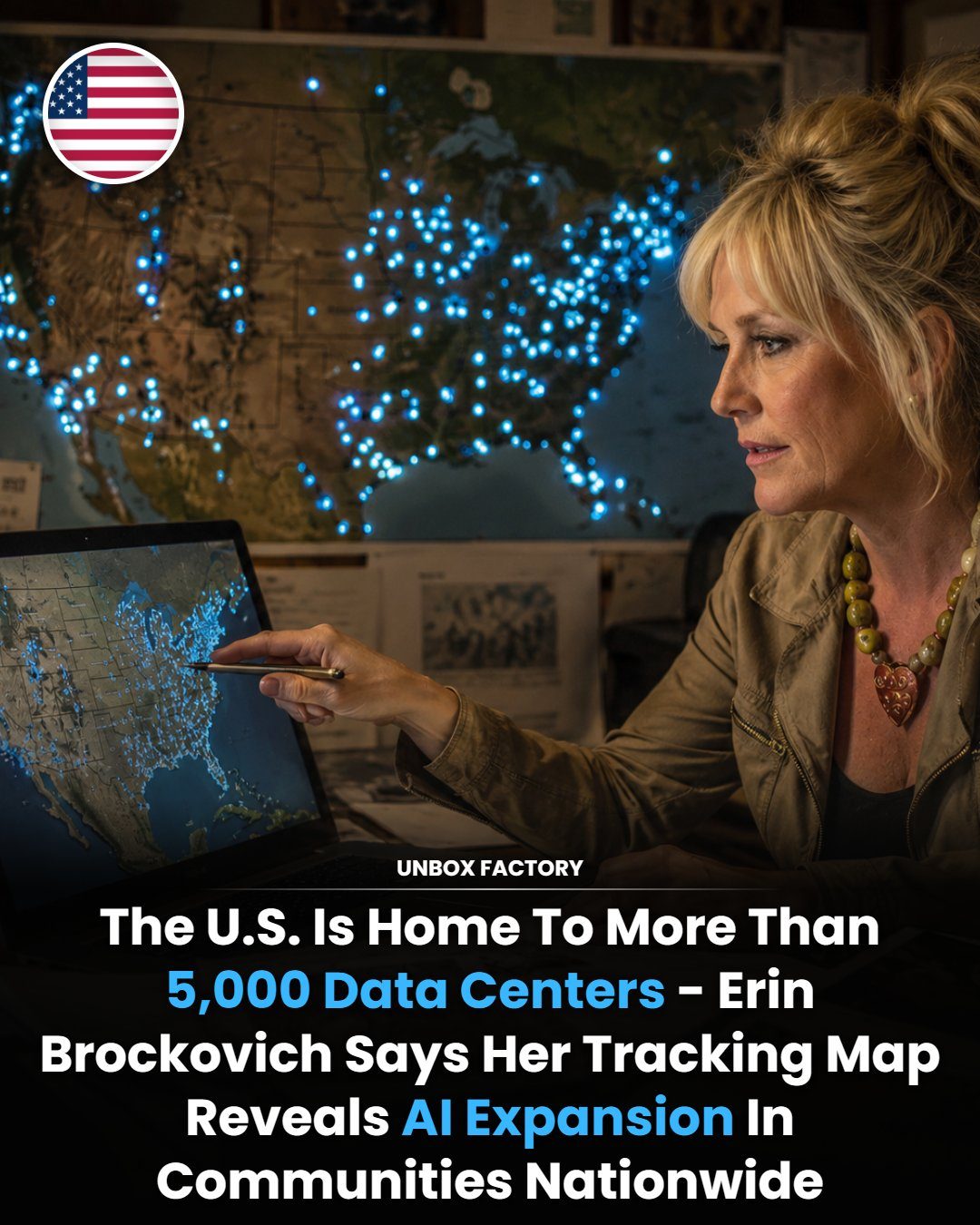
Environmental advocate Erin Brockovich has launched a public tracking map to highlight the rapid spread of AI data center projects across communities nationwide. This map provides invaluable insights into the locations of these facilities and their potential impacts on local areas. By visualizing the data, residents and policymakers can better understand the local effects of data center expansion.
How the Map Works
The map displays data points across the United States, representing the locations of data centers. Text overlays highlight the increasing number of data centers and the expansion of AI within communities. This visualization tool is crucial for raising awareness and encouraging public engagement in discussions about data center development.
Engaging the Public
The map encourages residents to better understand local impacts before new facilities are approved. By providing this information publicly, Brockovich aims to empower communities to evaluate how AI expansion may affect their electricity costs, water resources, land use, and long-term environmental sustainability.
Practical Tips for Local Advocacy
-
Stay Informed: Use available resources like Brockovich’s tracking map to stay updated on data center projects in your area. Knowledge is power when it comes to making informed decisions.
-
Engage with Local Authorities: Attend community meetings and voice your concerns about the environmental and infrastructural impacts of data centers. Your input can influence local policies and regulations.
-
Support Sustainable Practices: Advocate for data centers that employ renewable energy sources and efficient cooling systems. This can help mitigate the environmental impact of these facilities.
-
Monitor Water Usage: Pay attention to how data centers are managing their water consumption. Advocate for facilities that use water responsibly and implement recycling and conservation methods.
-
Evaluate Electricity Consumption: Understand the energy demands of proposed data centers and how they will affect local electricity costs. Promote initiatives that encourage energy-efficient operations.
Important Takeaways
-
Data Centers are Crucial for AI Development: These facilities are essential for storing, processing, and analyzing the vast amounts of data needed for AI technologies.
-
Environmental Impact: The expansion of data centers comes with significant environmental concerns, including high energy and water consumption, land use, and greenhouse gas emissions.
-
Community Involvement: Empowering communities with information and encouraging public engagement is key to ensuring that data center development is sustainable and beneficial.
-
Transparency and Regulation: Greater transparency and robust regulations are necessary to mitigate the environmental and infrastructural impacts of data centers.
Conclusion
The expansion of data centers in the United States is a double-edged sword. While these facilities are crucial for AI development, their environmental and infrastructural impacts cannot be overlooked. By staying informed, engaging with local authorities, and advocating for sustainable practices, communities can play a crucial role in ensuring that data center development is both beneficial and environmentally responsible.
Watch the Reel
Questions readers ask
How does the expansion of data centers affect local electricity costs?
The proliferation of data centers in the U.S. leads to increased demand for electricity, which can drive up local electricity costs. This is due to the vast amounts of power required to run and cool these facilities, potentially straining the local grid and leading to higher utility bills for residents and businesses.
What role do data centers play in AI development?
Data centers are crucial for AI development as they provide the necessary computational power and storage for training and running AI models. The expansion of data centers in the U.S. directly supports the growth and advancement of AI technologies, enabling innovations in various industries.
How much water do data centers typically consume?
Data centers consume significant amounts of water, primarily for cooling purposes. The water consumption can vary greatly depending on the size and cooling methods used, but it is not uncommon for large data centers to use millions of gallons of water annually, which can stress local water resources.
What are some sustainable practices for data centers?
Sustainable practices for data centers include using renewable energy sources, implementing energy-efficient cooling systems, and adopting water-saving technologies. Additionally, data centers can optimize their operations by improving energy management, utilizing waste heat for other purposes, and investing in more efficient hardware.
How can the environmental impact of data centers be tracked?
The environmental impact of data centers can be tracked through various metrics, including power usage effectiveness (PUE), water usage effectiveness (WUE), and carbon usage effectiveness (CUE). Regular audits and reporting of these metrics can help monitor and mitigate the environmental footprint of data centers over time.
What are the long-term environmental effects of data center expansion?
The long-term environmental effects of data center expansion include increased greenhouse gas emissions due to high electricity consumption, potential depletion of local water resources, and significant land use changes. Additionally, the disposal of outdated hardware can lead to electronic waste, further exacerbating environmental concerns.
How do data centers impact local communities besides resource consumption?
Beyond resource consumption, data centers can impact local communities through increased traffic and noise from construction and ongoing operations. They can also lead to changes in land use, potentially affecting local ecosystems and wildlife. Furthermore, data centers can influence local economic development, both positively through job creation and negatively through increased living costs.
Related deep dives
Similar reads based on topic and creator.



Recent articles
Fresh deep dives from the latest Reels we unpacked.


Comments
Be the first to comment.