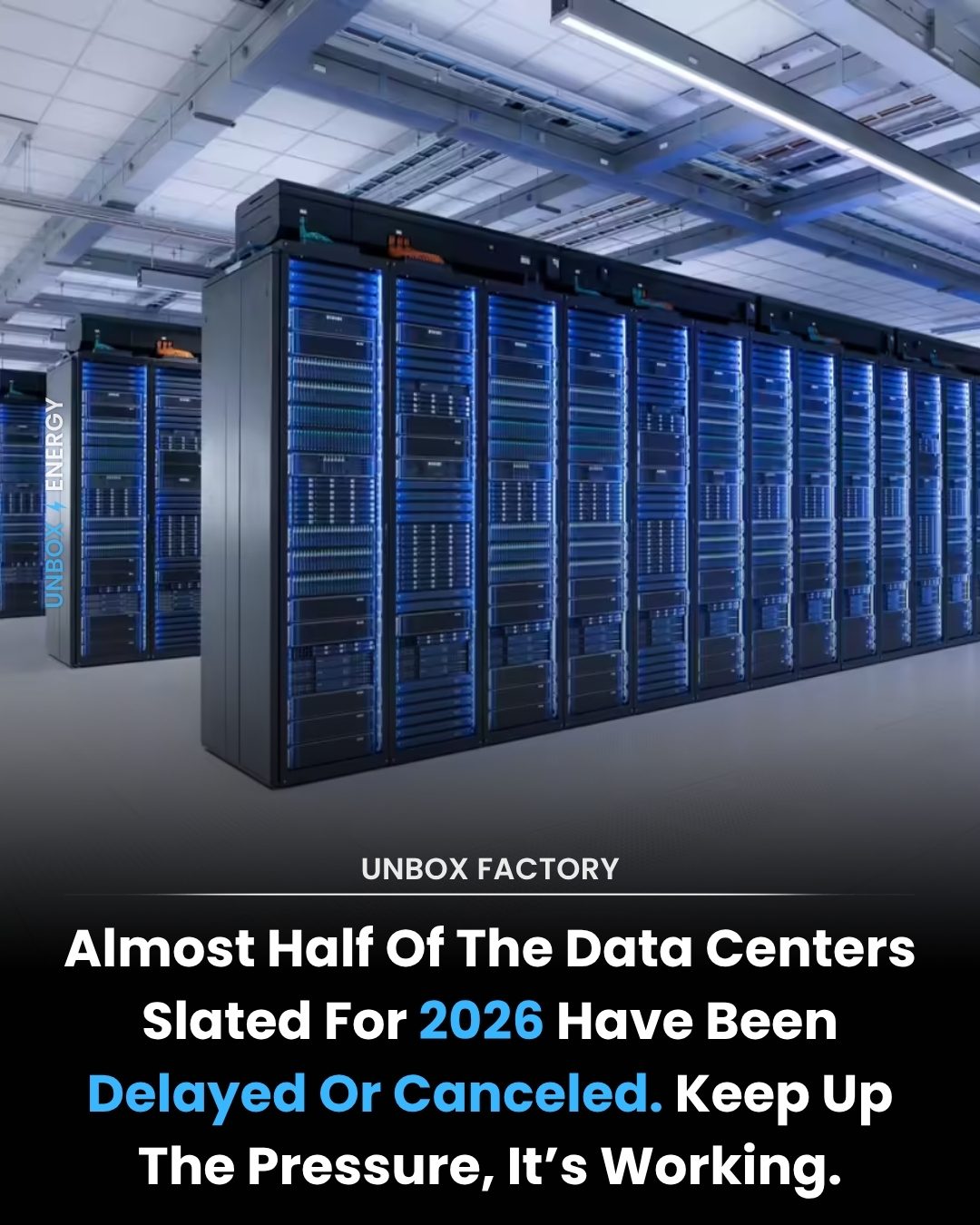
Data Center Infrastructure: Growth, Challenges, and Sustainability
Data centers, the backbone of the digital age, are experiencing unprecedented growth, largely driven by the explosion of artificial intelligence. This surge in demand has led to a construction boom in data centers worldwide. However, many planned projects are currently facing significant delays or cancellations due to a variety of factors. These obstacles highlight the growing complexities and debates around balancing technological innovation with sustainability and local resource management.
Context: Why This Matters
The data center industry is under immense pressure to keep up with the rapidly increasing demand for computational power and storage. As AI technologies become more integrated into daily life and business operations, the need for robust cloud infrastructure has never been greater. However, this growth is not without its challenges. The construction and maintenance of data centers require significant resources, including land, water, and electricity. This has led to numerous hurdles in the planning and execution of new projects.
Main Discussion
The Growing Demand for Data Centers
The proliferation of AI applications, digital services, and cloud computing has created an insatiable demand for data centers. These facilities are essential for storing, processing, and transmitting vast amounts of data. The increasing reliance on AI technologies, in particular, has accelerated this need. Technology companies are investing heavily in expanding their cloud infrastructure to support these advancements.
Challenges in Data Center Development
Despite the pressing need for new data centers, the industry is facing a multitude of challenges that have led to significant delays and cancellations of planned projects. These challenges include:
- Community Opposition: Local residents and advocacy groups have raised concerns about the environmental and social impacts of large data centers. Issues such as electricity demand, water consumption, land use, and the overall impact on surrounding communities have fueled public opposition.
- Environmental Reviews: Environmental assessments and regulatory compliance have slowed down many data center projects. These reviews ensure that new developments adhere to environmental standards, but they can also lead to lengthy delays.
- Power Constraints: Data centers require massive amounts of electricity to operate, and ensuring a stable power supply can be challenging. Power constraints and the need for reliable energy sources have posed significant hurdles.
- Water Availability: The cooling systems in data centers often rely on large amounts of water, leading to concerns about water availability and sustainability. Ensuring a steady water supply is critical for the operation of these facilities.
- Permitting Challenges: Obtaining the necessary permits for data center construction can be a complex and time-consuming process. Legal challenges and regulatory hurdles can further delay or even cancel planned projects.
The Role of Technology Companies
Technology companies are at the forefront of addressing these challenges. They are increasingly investing in renewable energy sources, advanced cooling technologies, and more efficient hardware to reduce the environmental impact of their data centers. These efforts are crucial for maintaining sustainability and meeting the growing demand for computational resources.
Sustainability and Local Resource Management
The debate over how to balance technological innovation with sustainability and local resource management is intensifying. Technology companies are under pressure to demonstrate their commitment to environmental responsibility while continuing to expand their infrastructure. This involves not only adopting sustainable practices but also engaging with local communities to address their concerns and ensure that new developments are beneficial for everyone involved.
The Impact of Public Engagement
Public engagement and infrastructure planning play an increasingly important role in determining where future data centers are built. Local residents and advocacy groups have a significant influence on the approval and execution of new projects. Their concerns about environmental impacts, resource management, and community well-being must be addressed to ensure the successful development of data centers.
Practical Tips
- Engage With Local Communities: Technology companies should actively engage with local residents and advocacy groups to address their concerns and gain support for new projects.
- Adopt Sustainable Practices: Investing in renewable energy, advanced cooling technologies, and energy-efficient hardware can significantly reduce the environmental impact of data centers.
- Ensure Compliance and Accuracy: Accurate environmental assessments and regulatory compliance can help streamline the permitting process and reduce delays.
- Manage Resources Efficiently: Efficient management of resources such as electricity, water, and land is crucial for sustainable data center operations.
Important Takeaways
Expanding data center infrastructure is essential for supporting the growth of AI applications and digital services. However, the industry faces significant challenges, including community opposition, environmental reviews, power constraints, water availability concerns, and permitting challenges. Technology companies are increasingly investing in sustainable practices to address these issues and ensure the responsible development of data centers.
Conclusion
The explosive growth of artificial intelligence and digital services has created an unprecedented demand for data centers. While this growth is essential for technological innovation, it also presents significant challenges that must be addressed. By adopting sustainable practices, engaging with local communities, and managing resources efficiently, technology companies can ensure the responsible and effective development of data center infrastructure. As the demand for computational resources continues to rise, balanced and responsible planning will be crucial for the future of the industry.
Watch the Reel
Questions readers ask
What is driving the current boom in data center construction?
The primary driver behind the data center construction boom is the rapid growth of artificial intelligence (AI) and other digital technologies. These advancements require significant computational power and storage, leading to an increased demand for data centers.
Why are many data center projects facing delays or cancellations by 2026?
Delays and cancellations are attributed to challenges in balancing technological innovation with sustainability and local resource management. Additionally, public concerns and regulatory pressures are contributing to these setbacks, making it difficult for projects to move forward as planned.
How does AI specifically impact the demand for data centers?
AI technologies require substantial computational resources, including processing power and data storage, which necessitate the expansion and construction of data centers. This demand is further amplified by the need for real-time data processing and analysis that AI applications often require.
What are the key challenges in making data centers more sustainable?
Sustainability in data centers involves managing energy efficiency, reducing water usage, and minimizing environmental impact. Effectively integrating renewable energy sources and optimizing resource management are crucial steps to achieving these goals.
What role do public concerns play in data center project delays and cancellations?
Public concerns often focus on the environmental impact of data centers, including energy consumption, water usage, and carbon emissions. These concerns can lead to increased scrutiny and regulatory hurdles, resulting in project delays and potential cancellations.
How can data centers improve their energy efficiency?
Data centers can improve energy efficiency through the use of advanced cooling technologies, renewable energy sources, and energy management systems. Additionally, adopting more efficient hardware and software can significantly reduce energy consumption.
What impact does water usage have on data center sustainability?
Water usage in data centers, primarily for cooling purposes, is a significant factor in their overall environmental impact. Implementing water-efficient cooling systems and exploring alternative cooling methods can help mitigate this issue and enhance the sustainability of data centers.
Related deep dives
Similar reads based on topic and creator.




Recent articles
Fresh deep dives from the latest Reels we unpacked.



Comments
Be the first to comment.