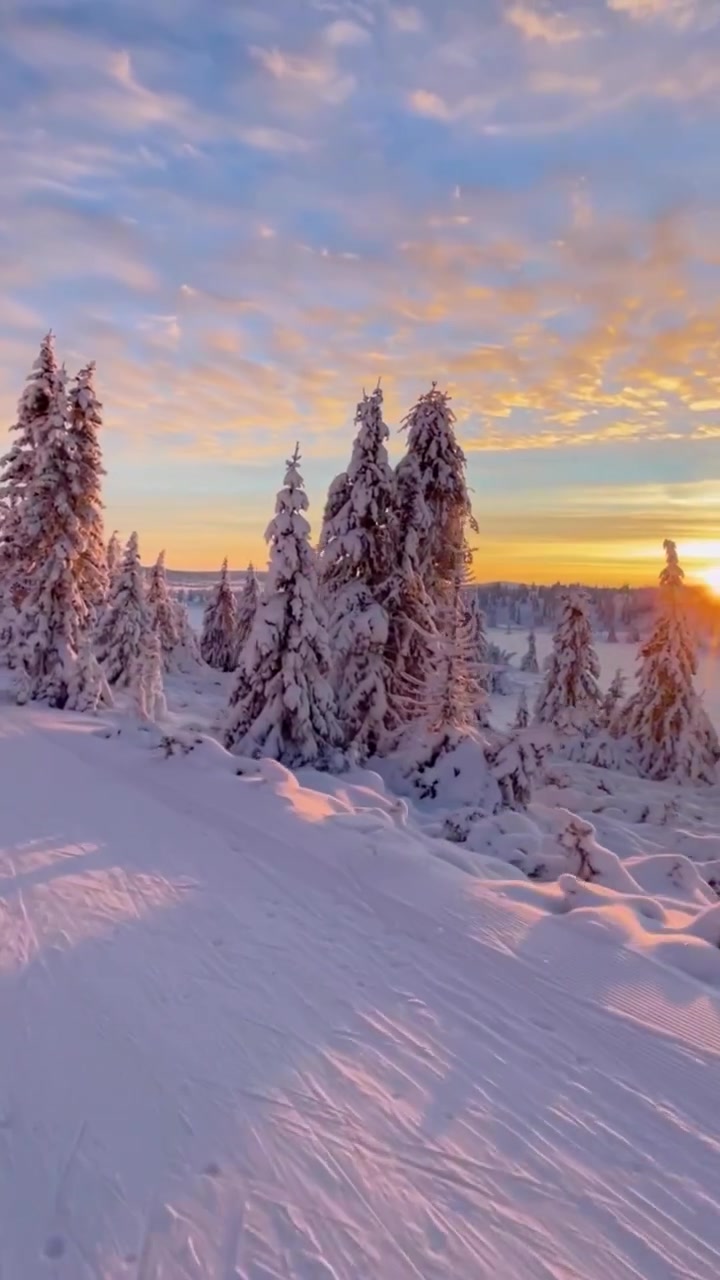
Snow-capped trees frame a peaceful path, and the silence is broken only by a familiar sounding track.. The phrase "When you're gone", is sung by a recognizable voice, and the mountain scenery clearly plays a role.
The winter sport of cross-country skiing
Cross-country skiing is a winter sport that involves moving across flat or rolling terrain using skis. Unlike downhill skiing, it does not involve the rapid descent of steep slopes. Many types of gear, including skis, poles, and boots, can vary widely depending on the regions or the specific activity. This scenery has no official origin, but fans of a particular 2015 musical film might see the connection. The distinctive characteristic of cross-country skiing is its focus on endurance and exploration. It allows skiers to traverse vast, often untouched wilderness areas, making it a popular choice for outdoor enthusiasts seeking solitude and connection with nature. The presence of snow-covered trees and a path through the snow further suggests that the skier is enjoying a leisurely journey through a scenic winter wonderland.
The outdoor ethic in cross-country skiing
In a world increasingly dominated by urbanization and technology, cross-country skiing serves as a reminder of the importance of reconciling winter weather and outdoor activity. It offers a respite from the daily grind, encouraging a closer bond with nature. This activity can also be a winter workout. For those who choose to try ski, whether in a hiking trail, a cross country ski resort, or even a forest, the terrain becomes part of the experience. The serene and peaceful atmosphere of a snowy morning, as captured in the video, is a testament to the outdoorsman that often comes with cross-country skiing. For someone who wants to get into cross-country skiing, buying your own gear might seem daunting if you're unsure of the proper equipment. Some resorts have equipment rentals as well as ski rental packages. .
The exercises and benefits
Enjoying and exploring nature
When cross-country skiing, one of the joys is simply being outdoors, even when the sun is rising.. "If you have the right equipment, make sure you bring necessities like water, snacks, and protective gear like sunscreen and a hat. Always let someone know where you're going and when you expect to return. And when someone says ooh, I've got the battle minds — it could be a beautiful, the winter can truly be serene, and the silence of a forest can be exhilarating. You may also experience a kind of exhaustion from the snow. Plan rest breaks.
Unique trials and terrain
The video showcases a beautiful winter landscape with snow-covered trees. The video captures the serene and peaceful atmosphere of a snowy morning. This type of trail often features a variety of terrain and conditions, from flat, groomed trails to unpaved backroads and hills. The mighty views often come from unlimited tree canopy, and you might find yourself near a waterway. Different trails offer unique challenges and rewards. Some trails might be more suitable for beginners, while others might be better for experienced skiers looking for a greater challenge. Also, be mindful of the weather and weather forecasts. Dangers can arise due to cold weather, avalanches, and fast changing weather.
The right gear
Cross-country skiing requires a few essential pieces of gear. Cross-country skis are longer and narrower than downhill skis, designed for gliding across snow. Ski poles, designed for cross-country skiing, are much lighter, and often you'll see that they have a large basket and a wrist loop to minimize fatigue. Additionally, cross-country boots are flexible and lightweight. They are designed to provide support and comfort. Novices and experienced skiers alike may wish to consider waxless skis, which use specialized scales on the bottom of the ski to grip, or stick, the snow. They offer the benefit of simplicity and ease of use for those who don't want the hassle of waxing or would prefer to skip the process in favor of simply enjoying the fresh air. Also, consider your clothing, which should be comfortable, breathable, and water-resistant.
Skill training and learning the nuances
Cross-country skiing offers a variety of techniques to master. The most basic is the diagonal stride, where skiers push off with one ski while gliding on the other. More advanced techniques include the double poling and the skating. While skating involves pushing off with the poles while gliding on the skis. It's important to note that becoming proficient in these techniques takes time and practice. Take a lesson at a ski resort, if available.
Nutrition and safety
Nutrition is crucial for endurance sports like cross-country skiing. Bring water and snacks to stay hydrated and fueled. Dress in layers to adapt to changing temperatures. Use a map and compass or GPS device to navigate unfamiliar terrain. Also, make sure to be aware of basic first aid and emergency protocols. .
Skiing at one's own pace
Cross-country skiing is truly a solo sport. You're mostly alone with your thoughts, or to enjoy a winter day, without the necessity for assistance. For many, cross-country skiing is all about solitude, endurance, and the dazzling winter scenery of snow-covered trails. As many have asked, "So what are you feeding your mind? What's your mind on?" Maybe you'll be inspired to find your mind.
Watch the Reel
Questions readers ask
What kind of gear do I need to start cross-country skiing?
You'll need skis, poles, and boots specifically designed for cross-country skiing. The type of gear can vary depending on the region and the specific activity, so it's a good idea to do some research or consult with a local expert. Many resorts offer equipment rentals, which can be a great way to try out the sport before investing in your own gear.
How does cross-country skiing differ from downhill skiing?
Cross-country skiing involves moving across flat or rolling terrain, focusing on endurance and exploration. In contrast, downhill skiing involves rapid descents on steep slopes. Cross-country skiing is more about the journey and connection with nature, while downhill skiing is often about speed and adrenaline.
Can I go cross-country skiing even if I'm a beginner?
Absolutely! Many trails are designed for beginners, offering flat, groomed paths that are easy to navigate. It's always a good idea to start on beginner-friendly trails and gradually work your way up to more challenging terrain as your skills and confidence improve.
How can I stay safe while cross-country skiing?
Safety is key. Always let someone know where you're going and when you expect to return. Bring essentials like water, snacks, and protective gear such as sunscreen and a hat. Be mindful of the weather and plan rest breaks to avoid exhaustion from the snow.
What are the health benefits of cross-country skiing?
Cross-country skiing is an excellent workout that engages your core, legs, and arms. It improves cardiovascular health, builds strength, and enhances balance. Plus, being outdoors in a serene winter landscape can have a positive impact on your mental well-being, reducing stress and anxiety.
How can I find the best trails for cross-country skiing?
Research local trails and ask for recommendations from experienced skiers or local sports stores. Many resorts and national parks offer well-maintained trails suitable for various skill levels. Websites and apps dedicated to cross-country skiing can also provide detailed trail maps and reviews.
Related deep dives
Similar reads based on topic and creator.


Recent articles
Fresh deep dives from the latest Reels we unpacked.



Comments
Be the first to comment.