Hedgehog Rescue: A Unique Urban Design in the Netherlands
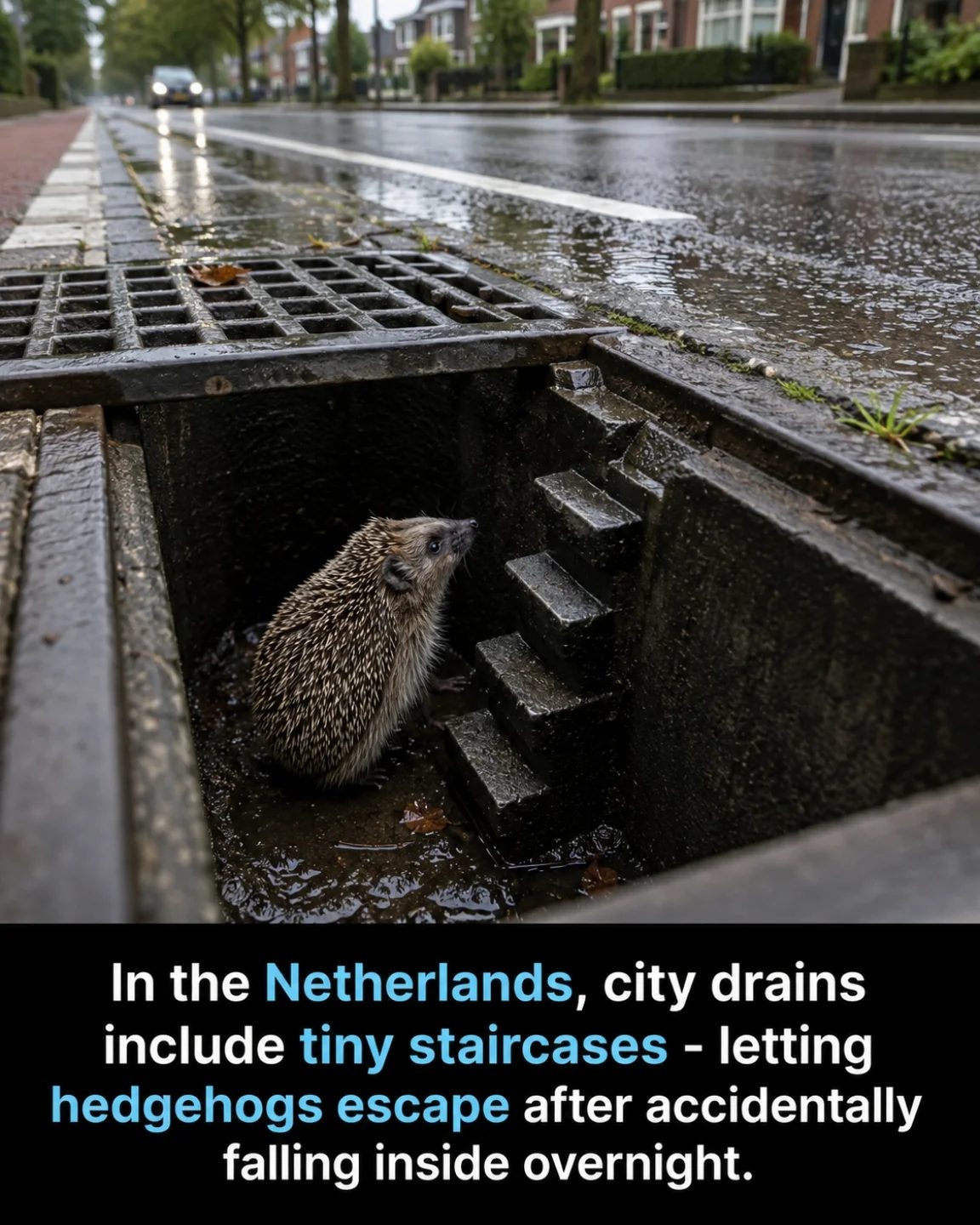
The Netherlands has taken a unique approach to urban design that protects one of its smallest residents — the hedgehog. City drains in the Netherlands include tiny staircases, allowing hedgehogs to escape after accidentally falling into the drains overnight. This innovative feature is a testament to the country's commitment to wildlife conservation and integrated urban design.
Why This Matters
In urban environments, wildlife often faces numerous challenges, from habitat loss to increased risk of injury or death. Hedgehogs, in particular, are known for their curious and adventurous nature, which can sometimes lead them into perilous situations. The inclusion of tiny staircases in city drains is a practical solution that addresses a specific problem faced by these small mammals. This design not only helps hedgehogs but also serves as a model for other urban areas looking to integrate wildlife-friendly features into their infrastructure.
Urban Design for Wildlife
The Problem of Urban Drains
Urban drains are essential for managing water flow in cities, but they can also pose significant risks to wildlife. Small animals like hedgehogs, which are curious by nature, often fall into these drains and struggle to escape. Without intervention, these animals can become trapped, leading to injury or death. The Netherlands has recognized this issue and implemented a thoughtful solution.
The Solution: Tiny Staircases
The tiny staircases built into city drains in the Netherlands are a simple yet effective solution. These staircases are designed to allow hedgehogs to climb out of the drains, providing them with a safe escape route. The design is based on the natural climbing abilities of hedgehogs, ensuring that they can easily navigate the stairs and return to their habitat.
Design and Implementation
The implementation of these tiny staircases involves careful design to ensure they are effective. The staircases are typically made of durable materials that can withstand the elements and the weight of the hedgehogs. They are also placed at strategic points in the drains, making them accessible to hedgehogs that may fall in. The design takes into account the natural behavior of hedgehogs, ensuring that they can easily find and use the stairs.
Practical Tips for Protecting Wildlife in Urban Areas
While the tiny staircases in the Netherlands are a specific solution, there are several general tips for protecting wildlife in urban areas. These include:
Incorporating Wildlife-Friendly Features
Urban planners and designers can incorporate features that are friendly to local wildlife. This can include small bridges, tunnels, and green spaces that allow animals to move safely through the city. These features not only help wildlife but also enhance the overall aesthetic and biodiversity of the urban environment.
Community Awareness and Involvement
Community awareness and involvement are crucial for protecting wildlife in urban areas. Educating the public about the challenges faced by urban wildlife and the steps they can take to help can make a significant difference. Community programs, such as wildlife rescue and rehabilitation, can also play a key role in protecting urban animals.
Important Takeaways
Hedgehog rescue in the Netherlands highlights the importance of thoughtful urban design. By incorporating wildlife-friendly features, urban planners can address specific challenges faced by local wildlife. The tiny staircases in city drains are a practical solution that demonstrates how simple design interventions can have a significant impact on wildlife conservation.
Conclusion
The inclusion of tiny staircases in city drains in the Netherlands is a unique and effective approach to protecting hedgehogs. This solution highlights the importance of integrating wildlife-friendly features into urban design. By recognizing the challenges faced by urban wildlife and implementing practical solutions, cities can create more sustainable and harmonious environments for both residents and wildlife.
Watch the Reel
Questions readers ask
How do tiny staircases in drains help hedgehogs in the Netherlands?
These tiny staircases provide an escape route for hedgehogs that have accidentally fallen into the drains. They are designed to facilitate the hedgehogs' climb out and prevent them from drowning or becoming trapped.
What inspired the Netherlands to integrate wildlife-friendly designs into their city infrastructure?
The Netherlands' commitment to wildlife conservation and the specific risk faced by hedgehogs in urban environments inspired the integration of these designs. Hedgehogs are known for their curious and adventurous nature, which can sometimes lead them into hazardous situations.
Why are hedgehogs at risk in urban environments?
Hedgehogs face various challenges in urban environments, including habitat loss and increased risk of injury or death. Their curious nature often leads them into dangerous situations, such as falling into drains.
What makes the drainage design in the Netherlands unique?
The drainage design in the Netherlands is unique because it includes tiny staircases specifically designed to help hedgehogs escape drains. This feature is a practical solution that integrates wildlife-friendly designs into urban infrastructure.
Can other cities adopt similar designs to protect wildlife?
Yes, other cities can adopt similar designs to protect wildlife. The Netherlands' approach serves as a model for how other urban areas can integrate wildlife-friendly designs into their infrastructure to mitigate risks faced by animals.
How do these designs benefit the broader urban ecosystem?
These designs benefit the broader urban ecosystem by promoting coexistence with wildlife and helping to maintain biodiversity. They also enhance the overall sustainability of urban environments.
What other wildlife-friendly features might cities consider integrating into their infrastructure?
Cities might consider features such as green roofs, bat boxes, and bird-friendly windows. Additionally, creating wildlife corridors and preserving green spaces can help mitigate the negative impacts of urbanization on local wildlife.
Related deep dives
Similar reads based on topic and creator.

Recent articles
Fresh deep dives from the latest Reels we unpacked.



Comments
Be the first to comment.