The Tropics' Turnaround
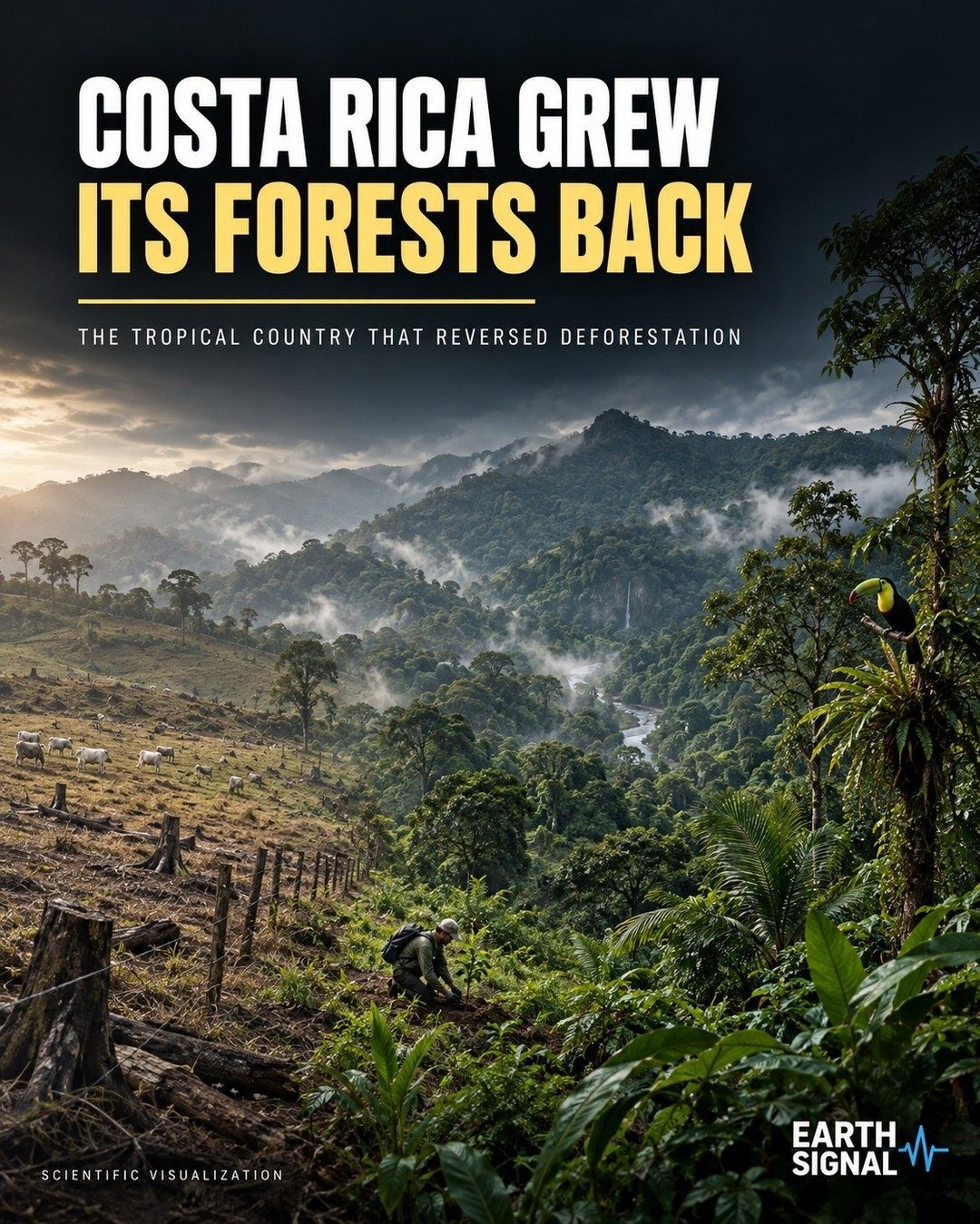
Counterintuitive as it seems, some tropical countries have achieved notable success in reforestation. Costa Rica exemplifies this rejuvenation. By 1987, forest covered a mere 40% of the country. However, today, forests cover nearly 60%. One of the highest deforestation rates in the tropics once plagued the nation. Now, it's widely recognized for reversing the trend. Costa Rica’s journey is an inspiration in environmental conservation. The Central American country is celebrated as a pioneer in renewing its natural environment. Yet, the process that enabled this recovery is not entirely a happy accident. It's a story of strategic policy, landowner incentives, and a grasp of reforestation's urgency.
A Blueprint for Progress
Costa Rica's reforestation success hinges on three pillars. Firstly, the country increased its protected areas, safeguarding forests from exploitation. Secondly, stricter forest laws curbed deforestation. Lastly, Costa Rica paid landowners for protecting and restoring forests. This Payments for Environmental Services (PES) program is noteworthy. It incentivizes landowners to engage in conservation. The program recognizes the economic value of environmental services, precisely the carbon sequestration and ecological balance forests offer. Costa Rica’s PES program did more than just reverse deforestation. It focused on the ecological and economic facets of the issue. Costa Rica has a complex web of forests, farmlands, and urban areas. By accounting for the intrinsic value of its forests, the country has promoted balanced economic growth.
Scientific Visualization
The visual representations of Costa Rica's reforestation provide a window into the transformation that has occurred. These scientific visualizations capture the remarkable success of the country in renewing its natural environment. They include panoramic views of lush, green forests, people examining trees, and graphic representations of the reforestation process. These visualizations offer a tangible example of what can happen when a country prioritizes conservation. By showcasing these images, Costa Rica demonstrates that it’s possible to restore natural ecosystems. The images of Costa Rica’s forests are not just green spaces. They are living, breathing examples of successful conservation strategies. The forest regeneration is not just a natural process. It’s a complex dance of policy, incentives, and ecological understanding. This dance has been choreographed to restore ecological balance.
Conserving Nature
Protected areas, pay-as-you-go incentives, and environmental laws have turned Costa Rica into a tropical conservation star. However, the nation's policies and programs are just the beginning. The real success lies in the country's commitment to reforestation. On the other hand, Costa Rica’s journey is a testament to the power of conservation. It serves as an example, and perhaps a blueprint, of what can happen when a country prioritizes its ecological health. It is not only a case of policy success, but also a scientific success, providing a tangible example of environmental restoration.
Watch the Reel
Related deep dives
Similar reads based on topic and creator.



Recent articles
Fresh deep dives from the latest Reels we unpacked.




Comments
Be the first to comment.