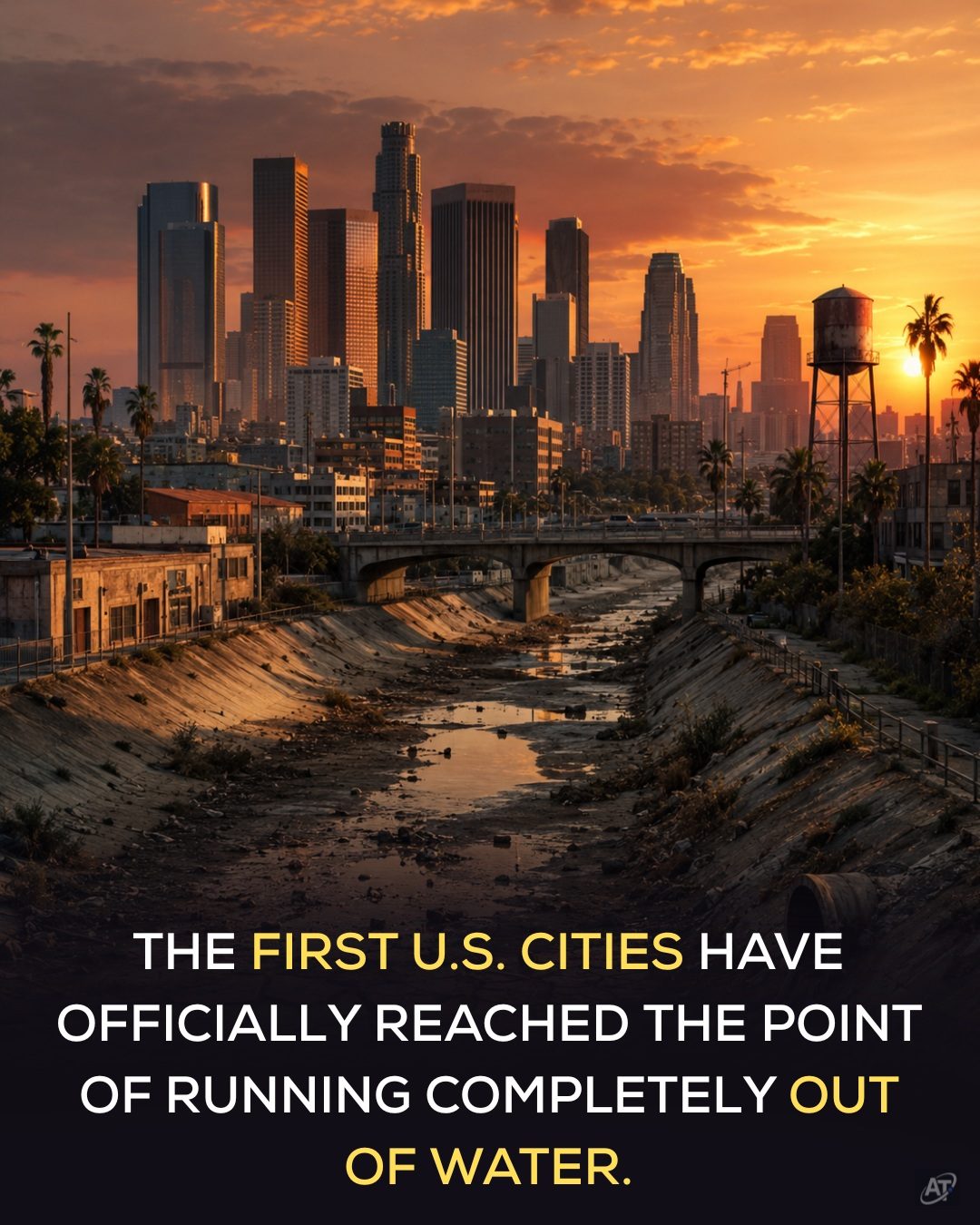
Water Scarcity: The Crisis in Corpus Christi, Texas
The city of Corpus Christi, Texas, which serves roughly 500,000 residents across seven counties, has faced a severe water crisis. This crisis highlights the challenges of maintaining sufficient water supplies in regions with high industrial demand and fluctuating weather conditions. The city is home to a bustling petrochemical corridor and the Port of Corpus Christi, the country’s leading crude-oil export port, leading to an industrial water demand that exceeds 50% of the region’s total.
Why This Matters
Water scarcity is a pressing issue in many parts of the world, but the situation in Corpus Christi underscores the urgent need for resilient water management strategies. The city's experience serves as a cautionary tale for other urban areas facing similar challenges, emphasizing the importance of balancing industrial needs with the water requirements of residents.
Background and Causes
Severe Drought and Infrastructure Failures
Years of severe drought have led to unprecedentedly low levels in Lake Corpus Christi and Choke Canyon Reservoir, the city's two primary western reservoirs. By January 2026, their combined storage had plummeted to approximately 10% and fell below 8% by late April. This alarming decrease forced the city to accelerate emergency water projects. While drought was a significant factor, it was not the sole cause. The city's water infrastructure had failed to keep pace as the region added major industrial customers. This lack of infrastructure development exacerbated the crisis, making it difficult for the city to meet the demands of both residents and industries.
Industrial Water Use
Industrial customers account for more than half of the region’s water demand. This high demand has raised questions about water allocation priorities. Residents faced strict outdoor water-use restrictions, leading to public questions about why these restrictions were necessary when industrial users consumed up to 60% of the city’s water. Industry representatives, however, have pointed out that companies have taken steps to reduce water use, including recycling cooling water and pursuing alternative supplies.
Emergency Water Projects
Groundwater Wells and Pipelines
To address the crisis, Corpus Christi is developing a series of emergency water projects. These projects include groundwater wells, pipelines, and wastewater-reuse initiatives. These efforts aim to diversify the city's water sources and reduce dependence on the two primary reservoirs.
Desalination Systems
One of the most significant projects is a $175 million brackish-water desalination system, expected to produce up to 21.3 million gallons per day. This system will help meet the city's urgent water needs by converting brackish water into potable water. A separate seawater desalination proposal, estimated at more than $1 billion, was abandoned due to cost and environmental concerns. This proposal remains politically contentious, highlighting the challenges of finding viable and cost-effective solutions.
The Role of Weather
Spring Rain and Flooding
The situation began to change in the spring. Initial spring rains allowed officials to push back the projected Level 1 water emergency from September 2027 to some time in 2028. Heavy flooding in July 2027 brought significantly more water into the reservoirs. By July 29, Lake Corpus Christi had risen to about 32.5% full, while Choke Canyon had climbed to approximately 24%. This influx of water provided meaningful relief, but the situation remains fragile and dependent on weather conditions.
Practical Tips for Water Conservation
Residential Water Use
For residents, conserving water is crucial. Simple steps like fixing leaks, using water-efficient appliances, and implementing water-saving practices in gardening and landscaping can make a significant difference. Educating the public on the importance of water conservation and providing incentives for water-saving initiatives can also help alleviate the strain on water resources.
Industrial Water Management
Industrial users can adopt several strategies to reduce water consumption. Implementing recycling systems for cooling water, using alternative water sources, and investing in water-efficient technologies are all effective measures. Collaborating with local authorities to develop sustainable water management practices can also help ensure a more reliable water supply for both industrial and residential needs.
Important Takeaways
Balancing Industrial and Residential Needs
The water crisis in Corpus Christi highlights the need for a balanced approach to water management. Both industrial and residential sectors must work together to ensure a sustainable water supply. This involves improving infrastructure, promoting water conservation, and investing in alternative water sources.
The Role of Weather in Water Supply
Weather patterns play a crucial role in water availability. While drought conditions can lead to severe water scarcity, rainfall and flooding can provide temporary relief. Long-term solutions must consider these fluctuations and ensure that the city is prepared for both extreme weather conditions.
The Importance of Infrastructure Development
Investing in water infrastructure is essential for maintaining a reliable water supply. This includes developing groundwater wells, pipelines, and desalination systems. Additionally, ongoing maintenance and upgrades are necessary to keep the infrastructure functioning efficiently.
Conclusion
The water crisis in Corpus Christi serves as a critical reminder of the challenges facing water management in urban areas with high industrial demands. The city's experience underscores the importance of investing in infrastructure, promoting water conservation, and adapting to changing weather conditions. By taking proactive measures, Corpus Christi and other cities can ensure a more sustainable and resilient water supply for all residents and industries.
Watch the Reel
Questions readers ask
What are the primary causes of the water crisis in Corpus Christi, Texas?
The water crisis in Corpus Christi is primarily due to two factors: high industrial demand and prolonged drought. The city's industrial sector, including the petrochemical corridor and the Port of Corpus Christi, consumes over 50% of the region’s total water. Additionally, persistent drought conditions have exacerbated the strain on the city's water resources, leading to a significant shortage.
How does industrial demand impact the water supply in Corpus Christi?
Industrial demand in Corpus Christi is substantial, with industries like petrochemicals and the Port of Corpus Christi consuming a large portion of the city's water supply. This high demand places a significant strain on the water infrastructure, often leaving residents with inadequate water resources, especially during periods of drought. Many industrial facilities rely on water for cooling, processing, and other operational needs, which can significantly deplete local water supplies.
What are some key infrastructure issues contributing to the water crisis?
Corpus Christi's infrastructure is under considerable stress due to the high demand and limited water supply. The city's water treatment facilities, pipelines, and storage systems are often pushed beyond their capacity, leading to inefficiencies and potential failures. Additionally, the aging infrastructure may not be adequately designed to handle the current demands, exacerbating the water shortage.
What measures are being taken to mitigate the water crisis in Corpus Christi?
To address the water crisis, Corpus Christi is implementing several strategies, including water conservation initiatives, infrastructure upgrades, and exploring alternative water sources. The city is encouraging residents and industries to reduce water usage through various programs and incentives. Additionally, they are investing in desalination plants and improving water storage capacities to better manage water supplies during droughts.
How are residents being affected by the water crisis in Corpus Christi?
Residents in Corpus Christi are facing several challenges due to the water crisis, including water rationing, restrictions on water usage, and potential health risks from decreased water quality. Many households are experiencing reduced water pressure, which can affect daily activities. The situation has also led to increased awareness and concern among residents about the importance of water conservation.
What role do local lakes play in Corpus Christi's water supply?
Local lakes, such as Lake Corpus Christi and Choke Canyon Reservoir, are crucial water sources for Corpus Christi. These lakes provide a significant portion of the city's water supply, but they are also affected by drought conditions. During severe droughts, the water levels in these lakes can drop significantly, further straining the city’s water resources and highlighting the need for sustainable water management practices.
What can other cities learn from Corpus Christi's water crisis?
Corpus Christi's water crisis serves as a stark reminder of the need for sustainable water management practices. Cities with similar industrial demands and fluctuating weather conditions can learn from Corpus Christi’s experience by implementing proactive water conservation measures, investing in resilient infrastructure, and diversifying water sources. Balancing industrial needs with the water requirements of residents is essential for maintaining a stable water supply.
Related deep dives
Similar reads based on topic and creator.


Recent articles
Fresh deep dives from the latest Reels we unpacked.




Comments
Be the first to comment.