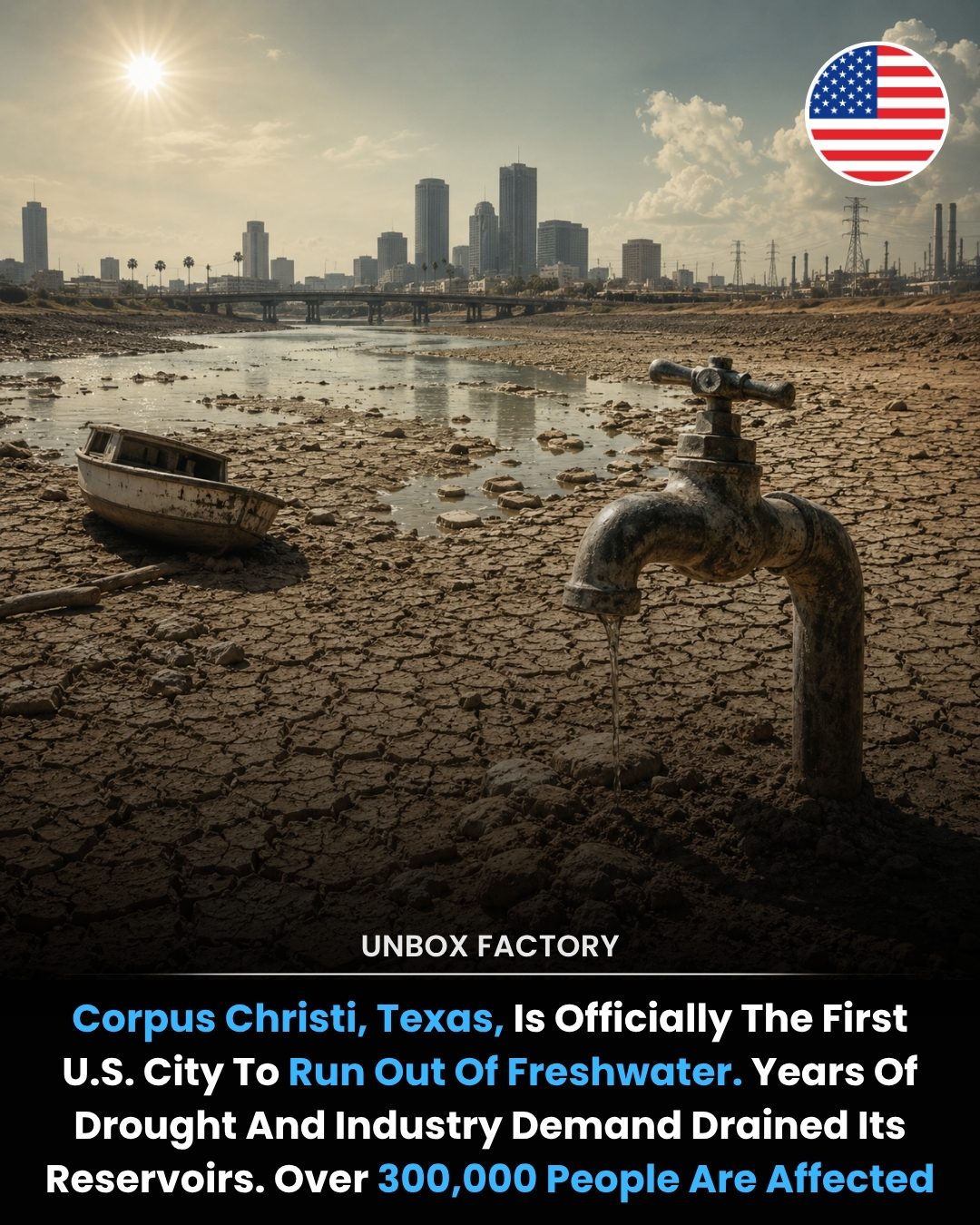
The Water Crisis in Corpus Christi, Texas
The city of Corpus Christi, Texas, has reached a grim milestone, becoming the first major U.S. city to officially exhaust its primary freshwater reserves. This crisis, driven by years of severe drought and surging industrial water demand, has forced authorities to implement emergency conservation measures and seek alternative water supplies.
Context/Why This Matters
Corpus Christi's water crisis is not an isolated incident. It serves as a stark warning about the growing challenges facing the American Southwest. Prolonged drought, record-breaking heat, and increasing population growth are straining water infrastructure across the region. This situation underscores the urgent need for sustainable water management practices and infrastructure improvements.
Main Discussion
The Impact on Residents and Industry
More than 300,000 residents rely on Corpus Christi's water system, and the impact of the water shortage is being felt acutely. Daily life has been disrupted, and the situation poses significant health and economic risks. Major industries, including LNG export terminals, petrochemical plants, and manufacturing facilities, are also under pressure. These industries are major consumers of water, and their operations are essential to the local economy.
The Role of Drought and Industrial Demand
Years of drought combined with rapidly rising industrial water demand have drained Corpus Christi's reservoirs. The situation is a complex interplay of natural and man-made factors. Climate change has intensified drought conditions, while industrial expansion has increased water consumption. This dual pressure has overwhelmed the city's water supply, leading to the current crisis.
Climate Change and Water Infrastructure
Scientists warn that climate change could make similar water shortages more common in the coming decades. Rising temperatures and altered precipitation patterns are expected to exacerbate drought conditions. Additionally, expanding industrial demand will further strain water infrastructure. This highlights the need for proactive measures to mitigate the effects of climate change and adapt water management strategies.
Practical Tips
Given the severity of the situation, it is crucial for residents and industries to implement water conservation measures. Here are some practical tips:
For Residents
- Reduce Water Usage: Limit activities such as watering lawns, washing cars, and taking long showers.
- Fix Leaks: Check for and repair any leaks in pipes, faucets, and toilets.
- Use Water-Efficient Appliances: Replace old appliances with water-efficient models.
- Collect Rainwater: Install rain barrels to collect water for non-potable uses like gardening.
- Plant Drought-Resistant Vegetation: Choose plants that require less water and are better suited to dry climates.
For Industries
- Implement Water Recycling Systems: Reuse treated wastewater for non-potable purposes.
- Optimize Water Use: Invest in technologies that improve water efficiency in manufacturing processes.
- Collaborate with Authorities: Work with local authorities to develop and implement sustainable water management practices.
- Invest in Water Conservation Technologies: Adopt advanced technologies that reduce water consumption without compromising productivity.
Important Takeaways
- Urgent Action Needed: The water crisis in Corpus Christi underscores the urgent need for sustainable water management practices.
- Climate Change Impact: Climate change is exacerbating drought conditions, making water shortages more likely.
- Industrial Demand: Industrial water demand is a significant factor in the water crisis.
- Community Effort: Both residents and industries must play a role in conserving water and adapting to the new water reality.
- Infrastructure Improvements: Upgrading and expanding water infrastructure is crucial for long-term sustainability.
Conclusion
The water crisis in Corpus Christi is a wake-up call for the American Southwest and beyond. It highlights the urgent need for sustainable water management, infrastructure improvements, and proactive measures to adapt to climate change. By taking immediate action and implementing conservation measures, communities and industries can work together to address this growing challenge. The situation in Corpus Christi serves as a reminder that water is a precious resource, and its sustainable management is essential for the well-being of both residents and industries.
Watch the Reel
Questions readers ask
How severe is the water crisis in Corpus Christi?
Corpus Christi has exhausted its primary freshwater reserves, affecting over 300,000 residents and major industries. The city has implemented emergency conservation measures to manage the crisis.
What are the main causes of the water crisis in Corpus Christi?
The crisis is primarily due to prolonged drought and high industrial water demand. These factors have strained the city's water infrastructure, leading to the depletion of freshwater reserves.
What areas are affected by the water crisis in Corpus Christi?
Major population areas and industries in Corpus Christi are facing severe water shortages. The crisis affects both residential and industrial water supplies, making sustainable water management crucial for the city's future.
What measures are being taken to address the Corpus Christi water shortage?
Authorities in Corpus Christi have implemented emergency conservation measures and are seeking alternative water supplies. Additionally, the city is likely exploring strategies to improve water infrastructure and management practices.
How does the Corpus Christi water crisis relate to the broader Southwest water crisis?
The Corpus Christi water crisis is part of a larger issue affecting the American Southwest, where prolonged drought, extreme heat, and population growth are straining water resources. The crisis highlights the need for sustainable water management across the region.
What are Corpus Christi's reservoirs' current status?
Corpus Christi's primary freshwater reserves have been depleted, forcing the city to seek alternative water sources and implement emergency measures. The current status of auxiliary water sources is likely under review to mitigate the crisis.
What can other cities learn from Corpus Christi's water crisis?
Corpus Christi's situation serves as a cautionary tale for other cities, especially in arid regions, about the importance of sustainable water management. It underscores the need for proactive planning and infrastructure development to mitigate the impacts of drought and industrial water demand.
Related deep dives
Similar reads based on topic and creator.


Recent articles
Fresh deep dives from the latest Reels we unpacked.




Comments
Be the first to comment.