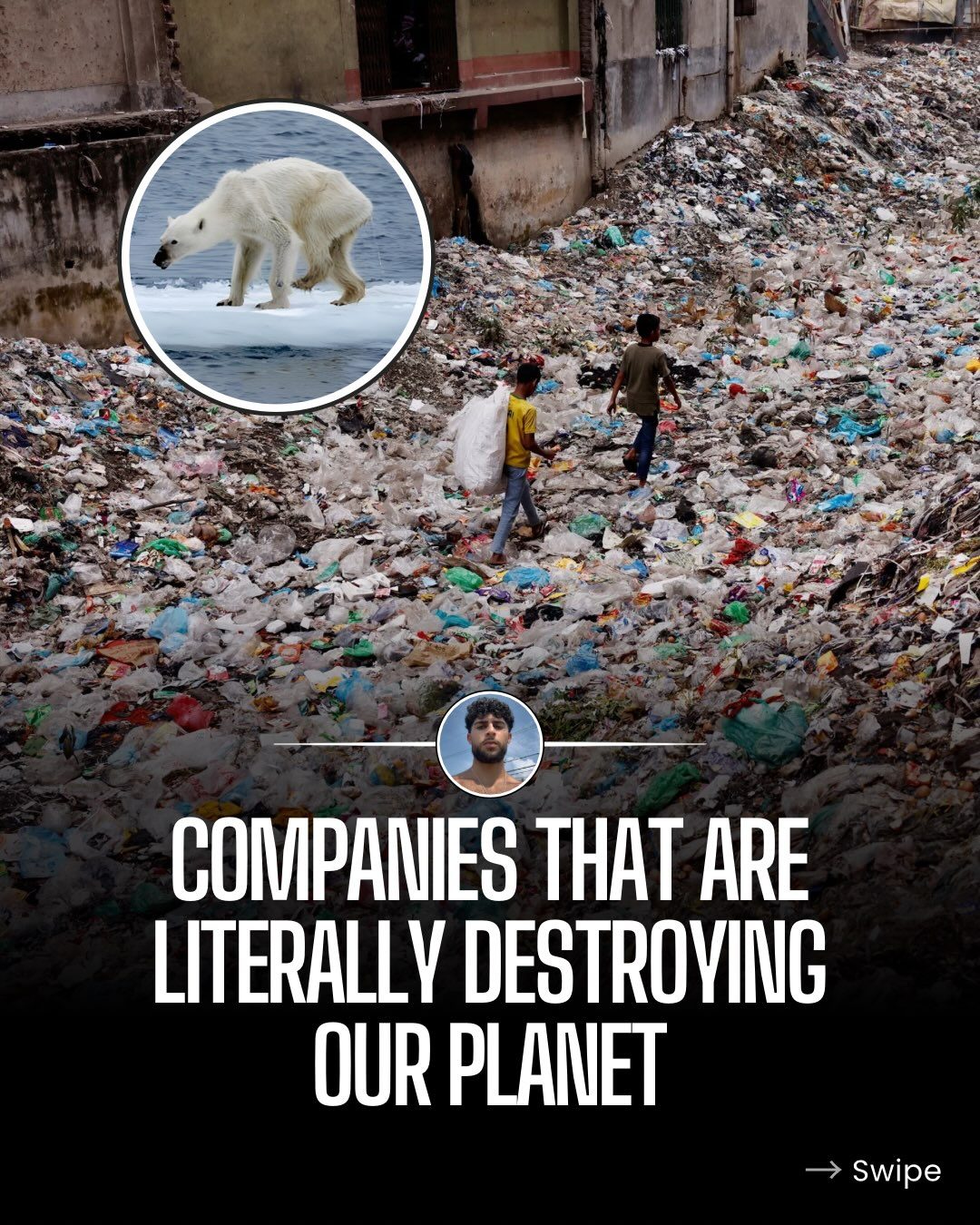
Environmental Pollution and Corporate Responsibility
Plastic waste and environmental degradation are pressing global issues, and many corporations have been linked to these problems. The environmental impact of major companies like Coca-Cola, Nestlé, and Pepsi has come under intense scrutiny, with each of these corporations facing allegations of significant environmental damage and unethical practices.
Why This Matters
Plastic pollution is a severe and growing problem. The world produces hundreds of millions of tons of plastic each year, and much of it ends up in oceans and landfills, harming wildlife and ecosystems. Corporate responsibility in this context is crucial. Companies that produce vast amounts of plastic packaging have a significant role to play in mitigating this problem. Understanding the extent of the damage caused by major corporations can help consumers make more informed decisions and push for greater accountability from businesses.
Main Discussion
Coca-Cola and Plastic Pollution
Coca-Cola has been repeatedly identified as the world's worst plastic polluter. Environmental groups frequently rank Coca-Cola at the top of their lists for plastic waste production. According to available data, Coca-Cola produces an estimated 100+ billion single-use plastic packages annually, contributing significantly to global plastic pollution. This immense amount of waste ends up in landfills and natural environments, harming wildlife and contributing to the already severe plastic pollution crisis.
Nestlé: Child Labor and Water Resource Exploitation
Nestlé faces multiple ethical challenges, including allegations of child labor in its cocoa supply chain and draining precious water resources. The company has been sued over child labor in its African cocoa supply chain, a critical issue in the cocoa industry. Additionally, Nestlé is accused of draining water from drought-hit towns to bottle and sell it at a markup. This practice raises concerns about the company's impact on local communities and its role in exacerbating water scarcity issues.
Pepsi and Developing Countries
Pepsi is another major contributor to the global plastic pollution problem. While not as significant as Coca-Cola, Pepsi's plastic waste production is still substantial. The company has been accused of using developing countries as dumping grounds for its plastic waste. This practice raises ethical questions about the company's responsibility towards the environments and communities in these countries and highlights the need for better waste management practices.
The Broader Issue of Corporate Responsibility
The broader issue at hand is how corporations should address their environmental impact and ethical responsibilities. The examples of Coca-Cola, Nestlé, and Pepsi illustrate the need for stringent environmental regulations and corporate accountability. For consumers, this means being more mindful of the products they buy and the companies they support. By understanding the environmental and ethical implications of corporate practices, consumers can make choices that align with their values and contribute to a more sustainable future.
Practical Tips
To mitigate the environmental impact of corporate practices, consumers can take the following steps:
- Reduce Plastic Consumption: Choose products with minimal packaging or opt for reusable alternatives to reduce plastic waste.
- Support Ethical Brands: Research and support companies with strong environmental and ethical policies.
- Advocate for Change: Engage with corporations and policymakers to demand better practices and regulations.
- Stay Informed: Keep up with the latest news and reports on corporate environmental practices to make informed purchasing decisions.
Important Takeaways
The environmental and ethical practices of major corporations significantly impact the planet and local communities. Consumers have the power to influence these practices by making informed choices and advocating for change. It's essential to recognize the role of corporate responsibility in addressing environmental degradation and to support companies that prioritize sustainability and ethical practices.
Conclusion
The environmental impact of major corporations like Coca-Cola, Nestlé, and Pepsi is a critical issue that demands attention. By understanding the extent of the damage caused by these companies and the practices that contribute to it, consumers can make more informed decisions and push for greater accountability. The need for stricter regulations, corporate responsibility, and consumer awareness is more pressing than ever as we strive for a more sustainable future.
Watch the Reel
Questions readers ask
Which companies are most frequently criticized for contributing to plastic pollution?
Coca-Cola, Nestlé, and Pepsi are among the most frequently criticized companies for their significant contributions to plastic pollution. These corporations produce vast amounts of plastic packaging, which often ends up in landfills and oceans, exacerbating the global plastic crisis.
What specific ethical concerns are raised regarding the practices of these major corporations?
The practices of these major corporations include serious ethical concerns such as child labor in developing countries and exploitation of water resources. Coca-Cola, for instance, has faced allegations of child labor, while Nestlé has been criticized for water resource exploitation, which raises significant ethical and environmental issues.
How does plastic waste from these corporations impact the environment?
Plastic waste from these corporations significantly impacts the environment by contributing to pollution in oceans and landfills. This pollution harms wildlife and ecosystems, disrupts natural habitats, and poses risks to human health, making it a pressing global issue that demands immediate attention and action.
What steps can consumers take to address the issue of plastic pollution by these major companies?
Consumers can take several steps to address this issue, including reducing their consumption of products packaged in plastic, supporting companies with strong plastic waste management and sustainability practices, and advocating for stricter regulations on plastic use and disposal. Additionally, participating in clean-up efforts and raising awareness about the problem can help mitigate its impact.
What role does corporate accountability play in tackling the plastic crisis?
Corporate accountability is crucial in tackling the plastic crisis. Companies must be held responsible for their plastic waste and environmental impact, which includes implementing sustainable practices and reducing their reliance on plastic packaging. By encouraging and enforcing accountability, consumers and regulatory bodies can drive significant changes in corporate behavior and contribute to a more sustainable future.
How do Coca-Cola, Nestlé, and Pepsi address the allegations of environmental degradation and plastic pollution?
These corporations often address these allegations by implementing programs to reduce plastic waste and promote sustainability. For instance, Coca-Cola has announced initiatives to increase the recycling rate of its packaging and transition to more sustainable materials. Nestlé has pledged to make all of its packaging recyclable or reusable by 2025, while Pepsi has focused on improving its plastic waste management and sustainability practices. However, the effectiveness and sincerity of these efforts are often debated among critics.
Related deep dives
Similar reads based on topic and creator.



Recent articles
Fresh deep dives from the latest Reels we unpacked.




Comments
Be the first to comment.