Erasure and Aftermath: Cornell's 2024 Rape Case Reopened
Last year in 2024, a brutal incident rocked Cornell University’s campus. A rape allegation left enormous emotional and procedural scars on campus and beyond — as well as cast stark light on how universities handle sexual crimes. Despite the initial legal response to the case, the wheels of justice have turned again. Prosecutors have reopened the 2024 rape case, sending shockwaves through the Cornell community.
The Case That Left Cornell Reeling
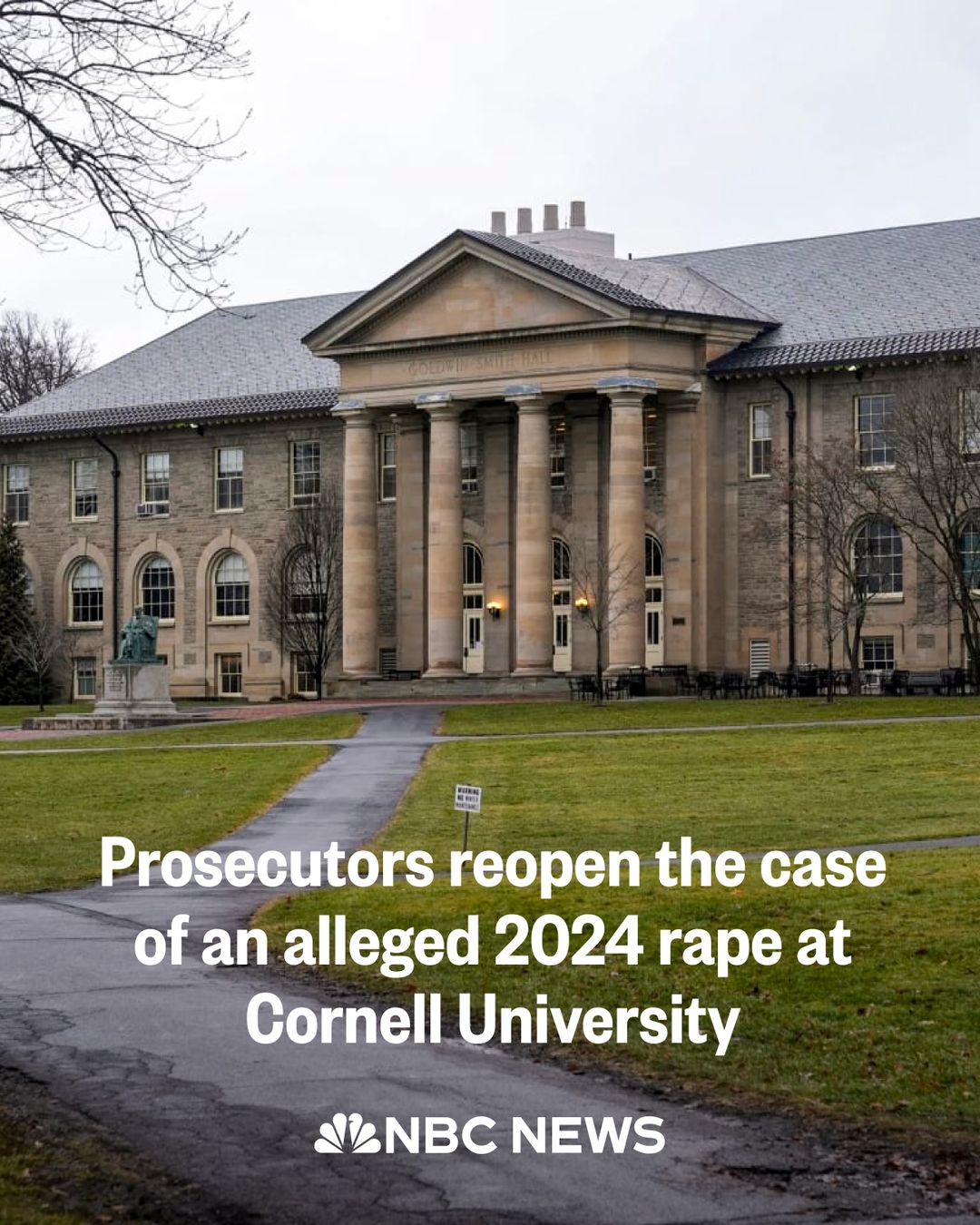
The alleged rape occurred in 2024 at Cornell University. Goldwin Smith Hall, a symbol of prestigious intellectual and academic growth, became a flashpoint for trauma when this serious crime unfolded. The case involved an accusation of sexual assault, which ignited debates about campus safety and the university’s handling of sensitive cases. The victim’s allegation triggered an immediate and intense reaction from the university and law enforcement both. Cornell University is an Ivy League institution known for its academic excellence, stringent admissions policies, and rigorous research. The campus houses roughly 25,000 students, many of them from elite high schools eager to pursue intellectual challenges. When the rape allegation surfaced, it stoked fears of personal security and sparked outrage and frustration about the university’s approach to sexual violence.
The Wider Context of Campus Sexual Assault Cases
The reconsideration of the 2024 rape case highlights the broader, ongoing struggle universities face in dealing with sexual assault cases and balancing policies around Title IX compliance, victim rights, and accused students' due process. Sexual assault and harassment cases come heavily into the spotlight with every allegation. Incidents like this one challenge the university and the public to confront how colleges must approach the delicate balance of safety, legal process, and public perception. In 2024 the rape case and allegations left many questions unanswered and many students distraught. Cornell has come to see how the decisions made in response to sexual assault allegations impact students directly.
Unpacking the University's Response
Institutional Obligations and the Initial Response
Institutional policies and priorities at Cornell focused on the alleged assault very early on in 2024, and to what extent the campus and its students did not, at first, receive those priorities and policies as adequate. This case led both law enforcement and Cornell University's administration to work on recovery, but the administration was often seen as not aligning with student communities on campus. The specifics of the curricula dealing with Title IX would have to be expanded to cover the mandatory sexual consent courses, and victim support groups would have to receive more funding.
Speech Framing and Communication Missteps
Cornell University’s handling of sexual assault cases has faced scrutiny. The administration’s choice of language, tone, and communication channels have been strained. Admissions to guilt, outlying allegations, and the handling of the matter has been described as finding the balance between being empathetic and being unconditionally supportive.
Reopening the Case
In 2024, the reopening of the Cornell rape case has been treated as a step towards looking for justice. This move led to investigating the failures of the university and law enforcement in the timely handling of student allegations. It allowed the university to get a handle on the way it processes these cases.
What Cornell Students Need From This Moment On
- Student Groups: Academic and student welfare programs need to be catered to. The community prioritizes support from student groups directly affected by the rape case.
- Title IX Awareness: Future administrations have to be more aware of the Title IX policies and how these impact students, especially in the first year. Interactions with Title IX need to be looked at carefully.
- Campus Safety: Cornell’s approach to campus safety policies should include more accessible channels for reporting incidents. Physical safety measures, such as increased lighting and security patrols, should be enhanced to allure students to report any emergencies.
Cornell's Roads to Recovery
In 2024, the rape case will always be a pivotal and defining moment for the community at Cornell University. The reopening of the case not only brings renewed hope for justice in this particular instance but also draws much-needed attention to the broader issues around campus safety, victim support, and institutional accountability. Cornell stands at a crossroads, with an opportunity to rebuild trust, reshape policies, and reaffirm its commitment to creating a safer, more supportive environment for all students. Cornell has an opportunity to redefine how it will approach sexual assault allegations in the future and focus on the balance between communication, policy, and student safety.
Watch the Reel
Questions readers ask
What exactly happened in the 2024 rape case at Cornell University?
In 2024, a serious allegation of sexual assault occurred at Cornell University's Goldwin Smith Hall. The case involved a rape allegation that sparked considerable emotional and procedural turmoil on campus. The incident highlighted ongoing debates about campus safety and the university's handling of sexual violence cases. The university has since faced scrutiny over its response, and the case has been reopened by prosecutors, stirring up the community again.
Why was the 2024 rape case at Cornell University reopened by prosecutors?
The 2024 rape case was reopened by prosecutors due to unresolved questions and concerns about the initial handling of the case. The decision to reopen the case suggests that new evidence or perspectives may have come to light, prompting a reevaluation of the original investigation and legal proceedings.
What is the broader impact of this case on Cornell University and other institutions?
The 2024 rape case has highlighted the broader challenges universities face in handling sexual assault cases, including balancing Title IX compliance, victim rights, and the due process of accused students. It has sparked conversations about campus safety, institutional policies, and the importance of supporting victims while ensuring fair legal processes.
How has Cornell University's administration responded to the case and its reopening?
Cornell University's administration has faced criticism for its initial response to the 2024 rape case, particularly in terms of communication and alignment with student communities. The reopening of the case has likely prompted further scrutiny and potential policy changes to address these issues. The university has also been working on expanding curricula related to Title IX and increasing support for victim support groups.
What are the implications of the 2024 rape case for the broader issue of campus sexual assault?
The 2024 rape case at Cornell University underscores the complexity and sensitivity of handling sexual assault cases on campus. It serves as a reminder of the importance of clear communication, comprehensive support systems for victims, and a fair legal process for all parties involved. The case has also brought attention to the need for ongoing dialogue and policy review in addressing campus sexual assault.
Related deep dives
Similar reads based on topic and creator.


Recent articles
Fresh deep dives from the latest Reels we unpacked.




Comments
Be the first to comment.