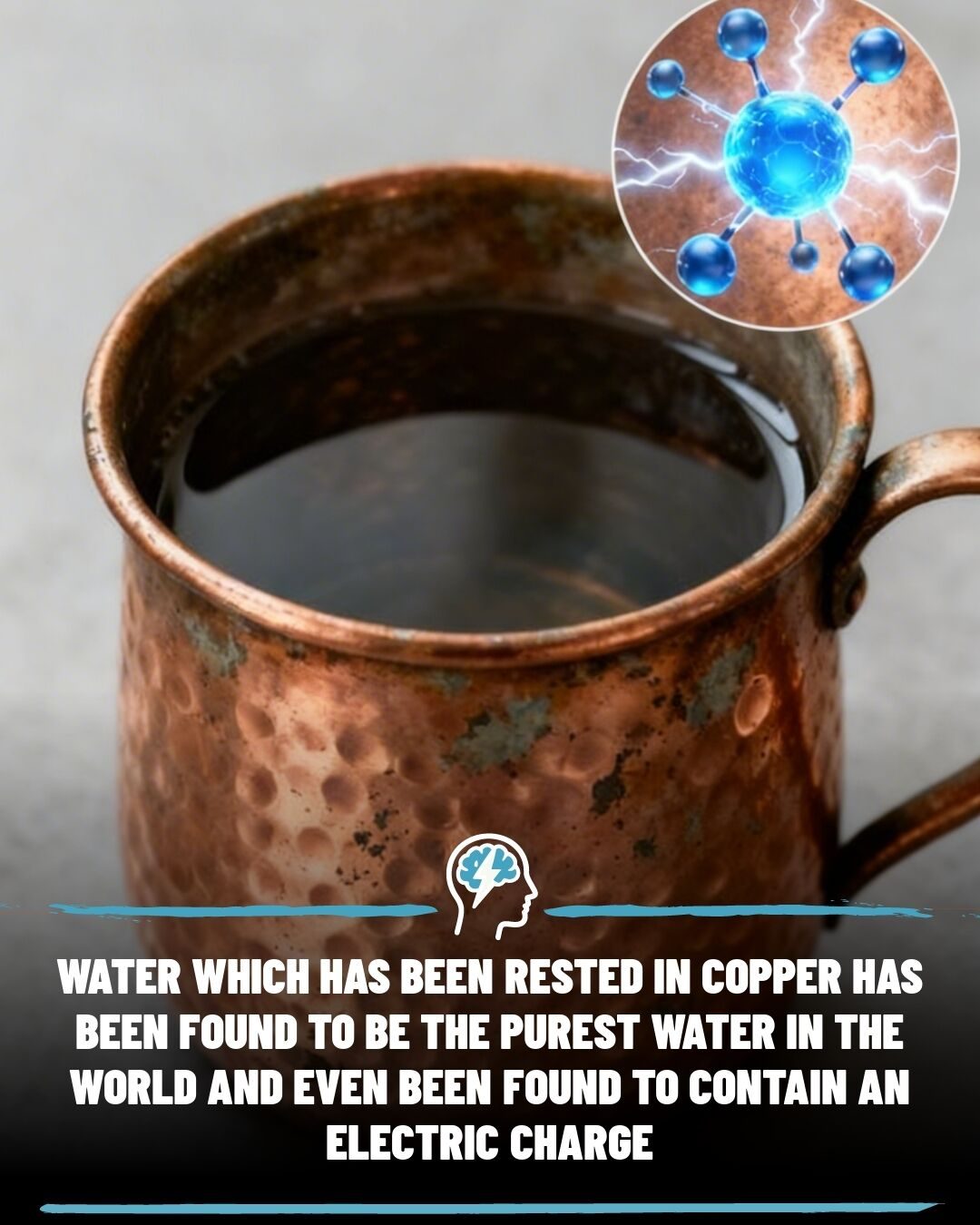
Copper Water: Separating Fact from Fiction
Copper water vessels have gained significant popularity, but it's essential to understand the science behind storing water in copper. This practice is often touted for its purported health benefits and ability to purify water, but what does the science actually say?
Why This Matters
With increasing interest in natural and holistic health practices, copper water storage has become a trending topic. Understanding whether this practice offers genuine benefits can help make informed decisions about water storage and consumption.
The Science Behind Copper Water Storage
Antimicrobial Properties of Copper
The primary benefit of storing water in copper vessels is their antimicrobial properties. Research shows that copper can effectively kill harmful bacteria in water. This process, known as "contact killing," occurs when bacteria come into contact with copper surfaces. Studies have demonstrated that bacteria such as E. coli, Salmonella, and Shigella flexneri are eliminated when water is stored in copper vessels.
The antimicrobial effect is significant after about 16 hours of storage. Researchers found that they couldn't recover any bacteria from previously contaminated samples, indicating that copper damages bacterial cell walls, making it an effective natural purifier.
Safety and Copper Leaching
Safety is a crucial consideration when it comes to storing water in copper vessels. The amount of copper that leaches into the water from the vessel is a valid concern. The good news is that when used properly, the amount of copper that leaches into the water stays well below the World Health Organization's (WHO) permissible limit. This suggests that, for most people, storing water in copper vessels is safe.
However, it is essential to be aware of the proper storage time. High copper exposure can cause stomach discomfort. The sweet spot for both antimicrobial effect and safe copper levels appears to be 16 to 48 hours. Proper storage time ensures that the water gets the antimicrobial benefits without exceeding safe copper levels.
Practical Tips for Storing Water in Copper Vessels
Choosing the Right Vessel
When selecting a copper vessel for water storage, opt for high-quality copper. Ensure the vessel is free from any coatings or linings that could interfere with the antimicrobial properties of the copper. Additionally, consider the size and design of the vessel to fit your storage needs.
Proper Storage Time
As mentioned, the ideal storage time for water in copper vessels is between 16 to 48 hours. This time frame allows for the antimicrobial benefits to take effect without leaching excessive amounts of copper into the water. Always follow this guideline to ensure the water remains safe to consume.
Maintenance and Cleaning
Maintain the cleanliness of your copper vessel to preserve its antimicrobial properties. Regularly clean the vessel with mild soap and water, and avoid using harsh chemicals that could damage the copper. Periodically polishing the vessel can also help remove any tarnish and maintain its shine.
Important Takeaways
The Benefits of Copper Water Storage
Copper water storage offers a legitimate, science-backed benefit in reducing bacteria in stored water. This natural purifying effect can be particularly useful in environments where water quality is a concern.
Limitations and Considerations
While copper vessels can help reduce bacteria, they are not a magic wellness elixir. The benefits may vary by individual, and this practice should not replace proper water treatment if there are concerns about water quality. Always consider your specific health needs and consult a healthcare professional if you have any doubts.
Proper Usage
To maximize the benefits and safety of storing water in copper vessels, follow the recommended storage times and maintain the cleanliness of the vessel. Proper usage ensures that the water remains safe and beneficial to consume.
Conclusion
Storing water in copper vessels has gained popularity for its purported health benefits and antimicrobial properties. The science backs the claim that copper can kill harmful bacteria in water, making it an effective natural purifier. However, it's essential to use copper vessels properly, with the right storage time and maintenance, to ensure both the antimicrobial benefits and safety.
Incorporating copper water storage into your routine can be a simple and effective way to enhance water quality, but it's crucial to approach it with a nuanced understanding of its benefits and limitations. Proper usage and awareness of the science behind this practice can help make informed decisions about water storage and consumption.
Watch the Reel
Questions readers ask
Is it safe to store water in copper vessels?
Yes, storing water in copper vessels is generally safe when done correctly. The World Health Organization (WHO) has set permissible limits for copper in drinking water, and proper use of copper vessels ensures that leaching stays within these limits. It is essential to follow recommended usage and cleaning practices to maintain this safety.
How does copper affect harmful bacteria in water?
Copper has inherent antimicrobial properties, which means it can effectively kill or inhibit the growth of harmful bacteria. When water is stored in copper vessels, these properties help to purify the water, reducing the risk of waterborne illnesses. This makes copper vessels a practical choice for water storage in many settings.
What are the potential health benefits of drinking water stored in copper?
While more research is needed to confirm all potential benefits, copper water storage has been associated with various health advantages. These include improved digestion, enhanced immunity, and even positive effects on mood and brain function. It is important to note that these benefits are not guaranteed, and individual results may vary.
How much copper can leach into water from copper vessels?
The amount of copper that can leach into water from copper vessels depends on several factors, including the acidity of the water, the temperature, and the duration of storage. However, when used correctly, copper leaching typically stays within the permissible limits set by the World Health Organization (WHO), which is 2 mg/L.
Can copper water storage help purify water?
Yes, copper water storage can help purify water due to copper's antimicrobial properties. These properties can kill or inhibit the growth of harmful bacteria, making the water safer to drink. However, it is essential to understand that while copper can help, it may not eliminate all contaminants, and proper water treatment methods should still be followed.
What are the best practices for using and maintaining copper water storage vessels?
To ensure the safety and effectiveness of copper water storage, it is crucial to follow best practices. This includes cleaning the vessels regularly, avoiding the use of harsh detergents, and not storing acidic or carbonated beverages in copper vessels. Additionally, it is recommended to start with fresh, clean water each day for optimum results.
Can storing water in copper vessels improve my mood and cognitive function?
Some studies suggest that copper may have positive effects on mood and cognitive function, although more research is needed. The mind-set benefits are often attributed to the role of copper in neurotransmitter production. However, these effects are not guaranteed and will vary from person to person. As always, it is important to consult with a healthcare provider for specific health concerns.
Related deep dives
Similar reads based on topic and creator.




Recent articles
Fresh deep dives from the latest Reels we unpacked.




Comments
Be the first to comment.