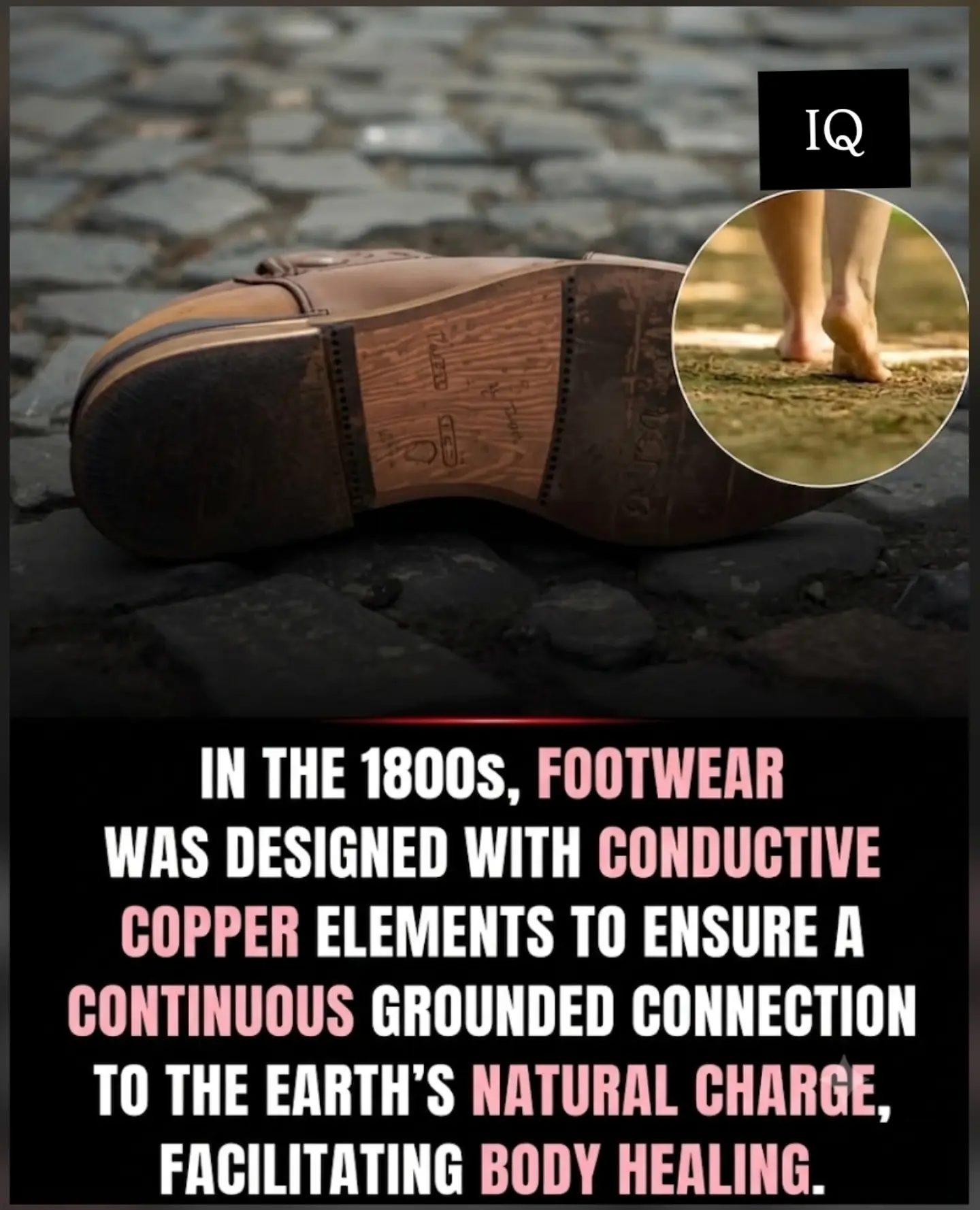
Historical Footwear: The Truth About Copper Soles
Footwear in the 1800s featured a unique design element: copper soles. This design has sparked curiosity and misconceptions about its purpose. Let's delve into the historical facts and modern interpretations surrounding this intriguing footwear design.
Why This Matters
Understanding the historical context of footwear design can provide insights into both the practical needs of the past and the evolving concepts of health and well-being. The copper soles of the 1800s offer a fascinating glimpse into the materials and methods used to extend the durability of footwear. The more recent interest in grounding and its health benefits adds an intriguing layer to the story.
The Historical Context of Copper Soles
Copper in Footwear
Copper was a common material used in footwear, particularly in children's boots, during the 1800s. This was not a random choice; copper was valued for its durability. Children's footwear tended to wear out quickly due to constant activity and rough play. Adding copper plates to the toes and soles of boots helped prolong their lifespan. This practical application was well-documented, as seen in literary works like "Little House in the Big Woods," where Laura Ingalls Wilder mentioned the durability of copper-toed shoes.
The Misconception of Grounding
The idea that copper soles were designed to connect the wearer to the Earth's natural charge for healing purposes is a modern misconception. While this concept has gained popularity in recent years, it was not the original intent behind the copper soles of the 1800s. The Victorians likely did not consider the grounding effects of their footwear. Instead, the focus was on the material's durability.
Grounding: A Modern Concept
What is Grounding?
Grounding, also known as earthing, is the practice of connecting directly with the Earth's natural energy by walking barefoot on grass, sand, or soil. Proponents of this practice believe that it can help reduce inflammation, improve sleep, and boost overall well-being. The concept is based on the idea that the Earth has a subtle, natural energy that can be beneficial to the human body.
The Role of Copper
Copper, being an excellent conductor of electricity, has recently been incorporated into various grounding products, such as mats and sheets. These products are designed to help users achieve a better grounding effect, even when they are indoors. The idea is that by conducting the Earth's energy through the body, copper can facilitate healing and enhance overall health. This modern interpretation has led to a resurgence of interest in conductive materials like copper, but it is important to distinguish this from the historical use of copper in footwear.
Practical Tips for Grounding
If you are interested in trying grounding for yourself, there are several practical ways to incorporate it into your daily routine:
Walking Barefoot
One of the simplest ways to practice grounding is by walking barefoot in nature. Find a grassy park, a sandy beach, or a dirt path and spend some time walking without shoes. This direct contact with the Earth can help you feel more connected and centered.
Using Grounding Products
For those who prefer to stay indoors or live in urban environments, grounding products can be a convenient alternative. Copper-infused mats, sheets, and other accessories are designed to conduct the Earth's energy into your body, mimicking the effects of walking barefoot.
Creating a Grounding Routine
Consistency is key when it comes to grounding. Try to incorporate grounding practices into your daily routine, such as spending a few minutes barefoot in the morning or using a grounding mat while working at your desk. The more you practice, the more benefits you may experience.
Important Takeaways
When exploring the history of copper soles in 19th-century footwear, it is essential to distinguish between historical facts and modern interpretations. The use of copper in footwear during the 1800s was primarily for durability, not for grounding or health benefits. The concept of grounding has gained popularity in recent years, leading to a renewed interest in conductive materials like copper. However, this modern interpretation is not aligned with the original purpose of copper soles in historical footwear.
Conclusion
The fascinating history of copper soles in 19th-century footwear offers a unique perspective on the materials and methods used in the past. While the original intention was to enhance durability, the modern concept of grounding has added a new layer of interest to this historical design. By understanding the true purpose of copper soles and exploring the benefits of grounding, we can appreciate the evolution of footwear and its connection to our well-being. Whether you choose to walk barefoot in nature or use grounding products, incorporating this practice into your daily routine can help you feel more connected to the Earth and its natural energy.
Watch the Reel
Questions readers ask
Why were copper soles commonly used in 1800s children's boots?
Copper soles in 1800s children's boots were primarily used for their durability. Copper is a strong, malleable material that could withstand the wear and tear of active children, making it an ideal choice for extending the lifespan of boots. This practical use was well-documented in historical records.
Did copper soles in 1800s footwear offer any health benefits?
There is no historical evidence to suggest that copper soles in 1800s footwear were used for health benefits. The primary purpose of copper soles was to enhance the durability of footwear, especially in children's boots. Modern interpretations linking copper soles to health benefits are misconceptions.
What is the difference between historical copper soles and modern grounding shoes?
Historical copper soles in 1800s footwear were used for durability, while modern grounding shoes, often containing copper, are designed to connect the wearer to the earth's natural energy. This connection is believed to offer various health benefits, a concept not associated with the original use of copper soles.
Were copper soles only used in children's boots, or were they common in other types of footwear as well?
While copper soles were particularly prized in children's boots due to the need for extra durability, they were also used in other types of footwear. The use of copper soles was not limited to children's boots; it was a practical choice for any footwear that required enhanced durability.
How did the use of copper in footwear reflect the materials and methods of the 1800s?
The use of copper in footwear during the 1800s reflected the available materials and the practical knowledge of the time. Copper was chosen for its durability and malleability, making it a suitable material for extending the lifespan of footwear. This choice highlights the resourcefulness and craftsmanship of 1800s shoemaking.
Related deep dives
Similar reads based on topic and creator.




Recent articles
Fresh deep dives from the latest Reels we unpacked.




Comments
Be the first to comment.