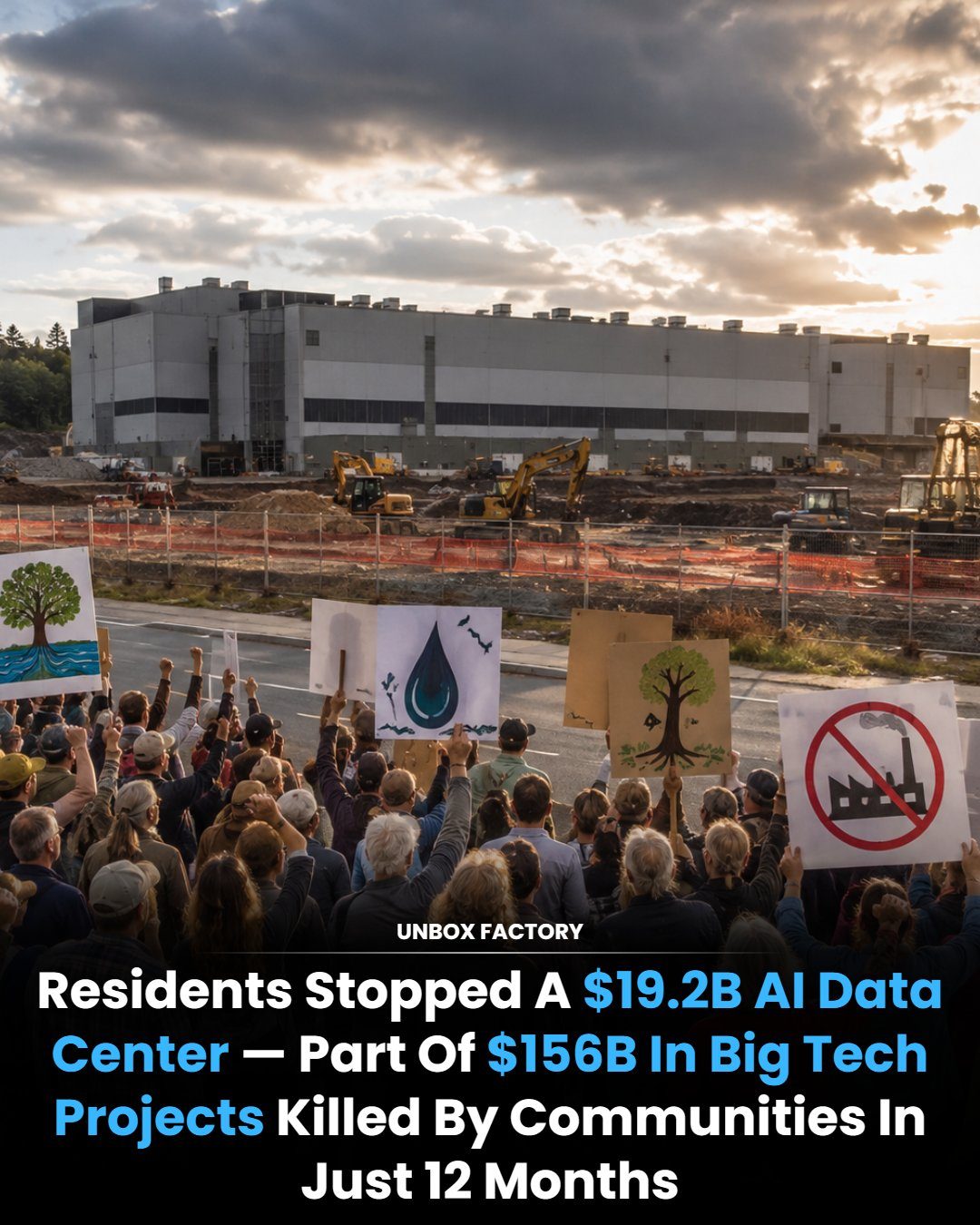
Protests Against Data Center Projects: A Growing Trend
Community opposition to data center projects has been gaining momentum across the United States. Over the past year, residents have successfully halted more than $156 billion worth of technology infrastructure projects, with a significant portion of these cancellations occurring in just the last 12 months. Among these is a proposed $19.2 billion AI data center that was recently stopped by local residents.
Why This Matters
The rapid expansion of data centers, particularly those supporting artificial intelligence (AI) and other high-tech operations, has sparked controversy in many communities. These facilities often require substantial resources, including electricity and water, and can have significant environmental and social impacts. Understanding the dynamics behind these protests and the concerns they highlight is crucial for anyone involved in technology infrastructure development or community planning.
The Rise of Data Center Opposition
Community Concerns
The protests against data centers are multifaceted, driven by a range of concerns that encompass both immediate and long-term impacts:
-
Electricity Demand: Modern hyperscale data centers can consume more than 1 gigawatt of electricity, enough to power hundreds of thousands of homes. This massive energy demand can strain local power grids and lead to increased electricity costs for residents.
-
Drinking Water Consumption: Data centers often require vast amounts of water for cooling, which can deplete local water resources and affect drinking water supplies. These facilities require significant amounts of water for cooling purposes, placing immense strain on local water resources.
-
Industrial Noise: The constant hum of cooling systems and other equipment can generate substantial industrial noise, disrupting nearby residential areas and negatively impacting the quality of life for residents.
-
Farmland Loss: The construction of large data centers often involves the acquisition of significant tracts of land, which can lead to the loss of valuable farmland and agricultural resources. These facilities require extensive land for both their physical structures and supporting infrastructure.
-
Traffic and Congestion: The increased traffic associated with the construction and operation of data centers can lead to congestion on local roads, affecting commuters and residents. This increase in vehicular movement can lead to more traffic on local roads, causing congestion and affecting commuters and residents.
Economic and Environmental Impacts
-
Tax Incentives: Communities often offer tax incentives to attract data center projects, which can be controversial. While these incentives can bring economic benefits, they may also divert resources away from other community needs and public services. While these incentives can bring economic benefits, they may also divert resources away from other community needs and public services.
-
Environmental Concerns: Data centers contribute to climate change through their high energy consumption and emissions. Additionally, the environmental impact of data centers extends beyond their energy consumption, encompassing issues such as land use, water consumption, and waste generation. The environmental impact of data centers extends beyond their energy consumption, encompassing issues such as land use, water consumption, and waste generation.
The Role of AI Data Centers
AI data centers, in particular, have become a focal point for opposition due to their massive scale and resource demands. These facilities are designed to support the computational needs of AI, machine learning, and other advanced technologies. As AI continues to evolve, the demand for these high-performance data centers is expected to grow, raising even more concerns about their impact on local communities and the environment.
Practical Tips for Addressing Community Concerns
For developers and policymakers involved in data center projects, addressing community concerns requires a balanced approach that considers both the benefits and drawbacks of these facilities:
Engage with Local Communities
Early and ongoing engagement with local communities is crucial. This includes holding public meetings, providing transparent information about the project's benefits and impacts, and actively seeking community input. Engaging local communities in the planning process can help address concerns and build support for the project.
Invest in Renewable Energy
Data center operators should prioritize the use of renewable energy sources to reduce their environmental impact. Investing in renewable energy can help mitigate concerns about electricity demand and climate change. Investing in renewable energy can help mitigate concerns about electricity demand and climate change, while also providing long-term economic benefits for the community.
Implement Noise Reductions
Addressing industrial noise through soundproofing and other noise reduction technologies can help alleviate concerns about noise pollution and improve the quality of life for nearby residents. Addressing these issues through soundproofing and other noise reduction technologies can mitigate concerns about noise pollution and improve the quality of life for nearby residents.
Promote Sustainable Water Use
Developing water-efficient cooling systems and implementing water recycling programs can help reduce the strain on local water resources. Implementing these technologies can help alleviate concerns about water consumption and promote sustainable water use.
Consider Land Use Alternatives
Exploring alternative land use options, such as brownfield sites or repurposed industrial areas, can help minimize the loss of farmland and reduce the need for new land acquisition. Exploring alternative land use options, such as brownfield sites or repurposed industrial areas, can help minimize the loss of farmland and reduce the need for new land acquisition.
Encourage Local Hiring and Economic Development
Ensuring that data center projects create local jobs and contribute to economic development can help build community support. Ensuring that data center projects create local jobs and contribute to economic development can help build community support, while also addressing concerns about the economic impacts of these facilities.
Enforce Tax Incentives Wisely
Offering tax incentives in a transparent and equitable manner, while also ensuring that data centers contribute to the community in other ways, can help build support for these projects. Offering tax incentives in a transparent and equitable manner, while also ensuring that data centers contribute to the community in other ways, can help build support for these projects, while also addressing concerns about the economic impacts of these facilities.
Important Takeaways
The trend of community opposition to data center projects highlights the need for a more balanced approach to technology infrastructure development. By addressing the concerns of local residents and promoting sustainable and responsible practices, it is possible to create data centers that support technological advancement while also benefiting communities.
Conclusion
Community opposition to data centers reflects a growing awareness of the environmental and social impacts of these facilities. As the demand for data centers continues to rise, particularly in support of AI and other advanced technologies, it is crucial to address the concerns of local residents and promote sustainable practices. By doing so, we can ensure that data centers contribute positively to communities, rather than causing harm and disruption.
Watch the Reel
Questions readers ask
Why are communities protesting data center projects?
Communities are protesting data center projects due to concerns about the environmental and social impacts. These facilities often consume vast amounts of electricity and water, which can strain local resources and infrastructure. Additionally, the environmental and social impacts from large data center developments can create significant concerns for nearby residents.
How much has community opposition cost the data center industry?
Over the past year, community opposition has halted more than $156 billion in data center projects across the United States. This figure highlights the significant financial impact that local concerns can have on major technology infrastructure developments.
What are the primary environmental concerns related to data centers?
The primary environmental concerns related to data centers include their high electricity usage and significant water consumption. These facilities often require a lot of power to run and cool, impacting local energy grids and contributing to carbon emissions. Additionally, data centers can deplete local water supplies, which may lead to conflicts over water usage.
What can data center companies do to address community concerns?
Data center companies can address community concerns by engaging in open dialogue with local residents, sharing detailed information about their projects, and showcasing the benefits these projects may bring. Additionally, companies can explore innovative solutions to reduce power and water consumption and mitigate their environmental footprint.
What is the impact of data centers on local communities?
Data centers can have both positive and negative impacts on local communities. While they can create jobs and contribute to the local economy, they also demand significant resources and can cause environmental degradation. This can lead to social tension and conflicts over resource allocation.
What types of data centers are most commonly protested?
Data centers that support high-tech operations, such as AI, are often the target of community protests. These facilities tend to have higher resource demands, including electricity and water, and can have a more significant environmental footprint. They also may have a large physical footprint, which can lead to concerns about local land use and environmental impacts.
How can local residents get involved in data center opposition efforts?
Local residents can get involved in data center opposition efforts by attending public meetings, voicing concerns to local officials, and joining community groups that advocate for responsible development. Staying informed about proposed data center projects and their potential impacts can also help residents participate in the decision-making process more effectively.
Related deep dives
Similar reads based on topic and creator.



Recent articles
Fresh deep dives from the latest Reels we unpacked.




Comments
Be the first to comment.