Climate Change and Wildfires
Wildfires are a growing global concern, scorching millions of acres of land each year. Regions like Australia, Serbia, and California have already experienced extensive devastation. The United Nations' recent research suggests that by the end of the century, the frequency of wildfires could surge by up to 50%.
Why This Matters
Understanding the relationship between climate change and wildfires is crucial. As temperatures rise and weather patterns shift, the conditions that fuel wildfires become more prevalent. This feedback loop not only exacerbates the frequency and intensity of wildfires but also contributes to further climate change.
The Fire Climate Feedback Loop
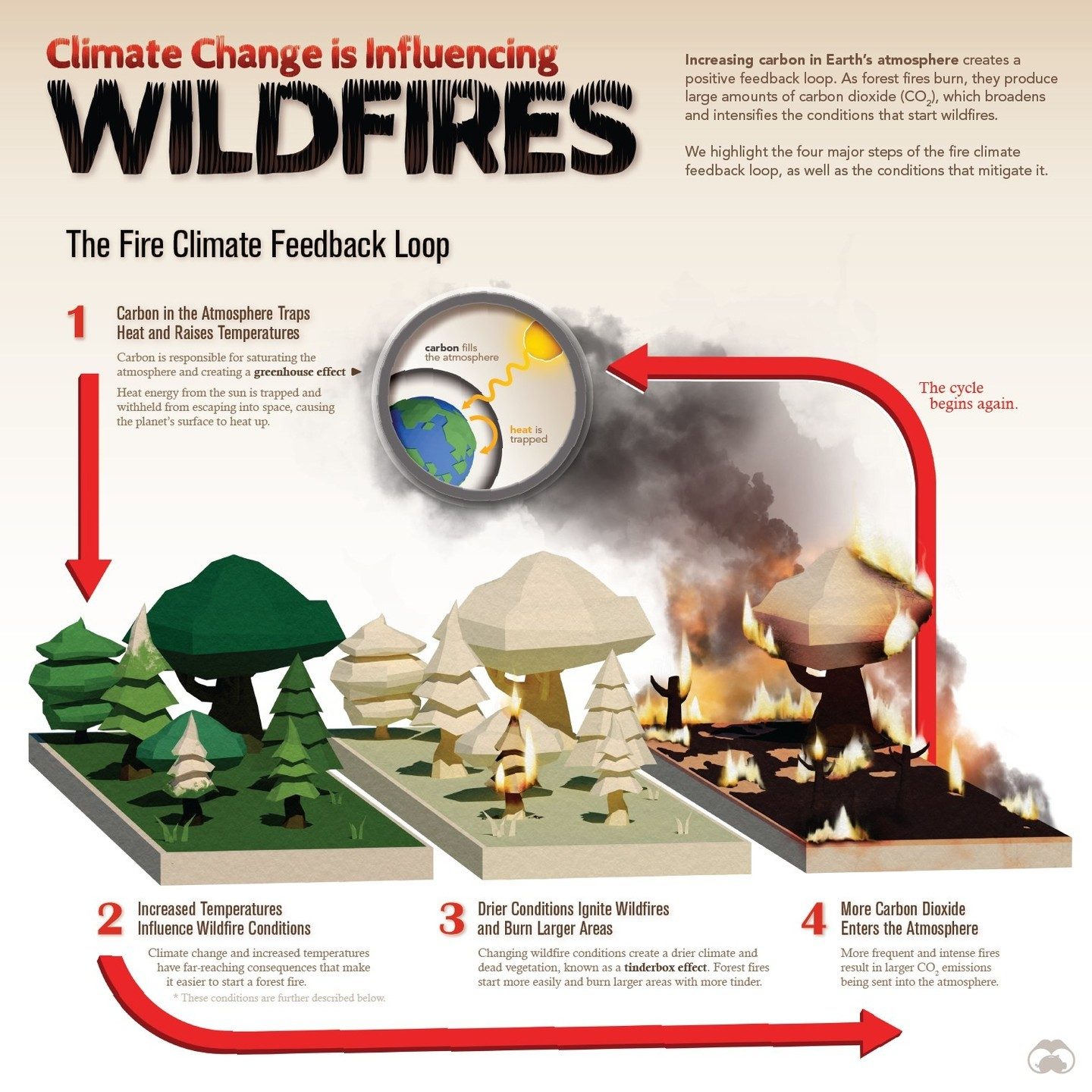
The interplay between climate change and wildfires is complex and multifaceted. Here’s a breakdown of how this feedback loop works:
Rising Temperatures and Carbon Dioxide
- Carbon in the Atmosphere: Increased carbon dioxide (CO2) levels trap heat, leading to higher global temperatures.
- Impact on Wildfires: Rising temperatures create drier conditions, making vegetation more susceptible to ignition. This, in turn, leads to more frequent and intense wildfires.
Dynamic Plant Structures and Faster Growth Rates
Changes in climate also affect plant structures and growth rates. Faster-growing plants often mean more fuel for fires, increasing the likelihood of wildfires. Dynamic plant structures can alter the distribution and availability of fuel, further impacting wildfire conditions.
Atmospheric Instability and Changing Wind Patterns
Atmospheric conditions play a significant role in wildfire behavior. Increased atmospheric stability and altered wind patterns can intensify wildfires, making them harder to control and more destructive.
Factors Influencing Wildfire Conditions
Several factors contribute to the changing conditions that fuel wildfires. Understanding these elements can help in predicting and managing wildfire risks.
Vegetation and Ignitions
- Natural Ignitions: Lightning strikes and other natural events can spark wildfires.
- Anthropogenic Ignitions: Human activities, such as campfires, arson, and industrial accidents, also contribute to wildfire ignitions. Changes in climate can exacerbate the impact of these factors, leading to more frequent and severe wildfires.
Atmospheric Conditions
Atmospheric instability and low relative humidity create favorable conditions for wildfires. Wind patterns, temperature, and humidity levels all play a role in determining the severity and spread of wildfires. Understanding these conditions can help in predicting and managing wildfire risks.
The Future of Wildfires
The future of wildfires looks dire if current trends continue. By 2100, the frequency of wildfires could increase by up to 50%. This means more acres of land will be burned, leading to greater environmental and economic damage.
Forest Acres Burned
Graphs showing forest acres burned with and without climate change illustrate the stark difference. With climate change, the number of acres burned is significantly higher. For instance, between 1985 and 2015, the acres burned in the Western United States have increased dramatically, largely due to climate change.
Changing Distribution and Fire Regimes
Climate change is also altering the distribution and fire regimes of forests. Dynamic plant structures and faster growth rates mean more fuel for wildfires, making them more frequent and intense. These changes in fire regimes can lead to long-term impacts on ecosystems and communities.
Practical Tips for Mitigation
While the situation may seem daunting, there are practical steps that can be taken to mitigate the impact of wildfires.
Preparedness and Prevention
Improving fire preparedness and prevention measures is crucial. This includes clearing vegetation around homes and communities, implementing stricter fire safety regulations, and enhancing early detection systems.
Public Awareness and Action
Raising public awareness about the link between climate change and wildfires can encourage community action. Understanding the role of climate change in fueling wildfires can motivate individuals and communities to take steps to reduce their carbon footprint.
Research and Innovation
Continuing research into climate change and wildfires can provide valuable insights and innovative solutions. This includes developing new technologies for fire detection and suppression, as well as studying the long-term effects of wildfires on ecosystems and communities.
Important Takeaways
Climate change and wildfires are intricately linked, creating a feedback loop that exacerbates both issues. Understanding this relationship is essential for developing effective strategies to mitigate the impact of wildfires. By taking proactive measures, we can work towards a more sustainable and resilient future.
Conclusion
The relationship between climate change and wildfires is a pressing issue that requires immediate attention. By understanding the factors that contribute to wildfire conditions and taking proactive steps to mitigate their impact, we can work towards a safer and more sustainable future. Addressing climate change and wildfires together is crucial for protecting our planet and its inhabitants.
Watch the Reel
Questions readers ask
How does climate change impact the frequency and severity of wildfires?
Climate change alters weather patterns, leading to hotter and drier conditions. These changes create more favorable environments for wildfires, making them more frequent and severe, as evident in regions like Australia and California.
What role do rising temperatures play in the increase of wildfires?
Rising temperatures cause vegetation to dry out more quickly, which makes it easier for fires to ignite and spread. This is a significant factor in the increased wildfire frequency and intensity observed in many parts of the world.
How do altered weather patterns contribute to wildfire conditions?
Altered weather patterns can lead to prolonged droughts and increased wind speeds, both of which exacerbate wildfire conditions. These changes can turn small ignitions into large, uncontrollable blazes more frequently.
What is the wildfire-climate feedback loop, and why is it important?
The wildfire-climate feedback loop refers to the cycle where climate change increases the likelihood of severe wildfires, and these wildfires, in turn, release large amounts of carbon emissions, further exacerbating climate change. Understanding this loop is crucial for addressing both issues effectively.
Which regions are most affected by the increase in wildfires due to climate change?
Regions like California and Australia have already experienced extensive damage from wildfires, with climate change being a significant driving factor. These areas are particularly vulnerable to the hotter, drier conditions that fuel more frequent and severe wildfires.
How do wildfires contribute to further climate change?
Wildfires release vast amounts of carbon emissions into the atmosphere when they burn through forests and other vegetation. These emissions contribute to the greenhouse effect, further warming the planet and creating a vicious cycle.
What can be expected in the future regarding wildfire frequency and intensity?
By the end of the century, the frequency of wildfires could surge by up to 50% due to climate change, according to recent UN research. This means more regions will experience devastating wildfires, with more intense and longer-lasting fires becoming the norm.
Related deep dives
Similar reads based on topic and creator.


Recent articles
Fresh deep dives from the latest Reels we unpacked.




Comments
Be the first to comment.