Bird Conservation and Climate Change
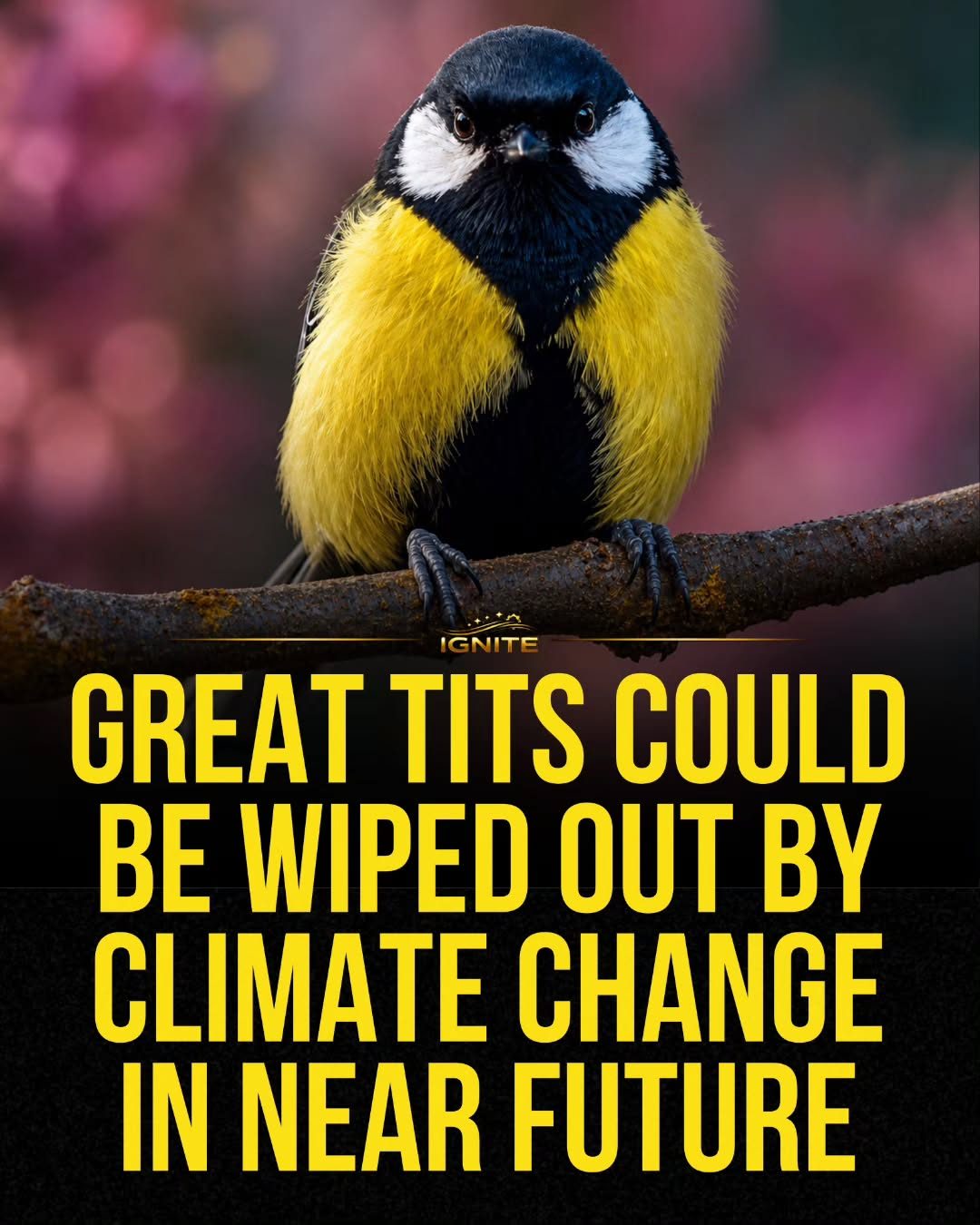
Climate change is an unprecedented threat to many species, particularly birds. The Great Tit, a common and beloved bird in many regions, is facing a dire risk due to the changing climate. This issue is spotlighted by IGNITE, an environmental awareness initiative focused on highlighting the urgent need for conservation efforts.
Why This Matters
Understanding the impact of climate change on birds like the Great Tit is crucial. These birds serve as important indicators of ecosystem health and play vital roles in their environments. The potential loss of these species could disrupt entire ecosystems, affecting biodiversity and the delicate balance of nature.
The Impact on Bird Populations
Climate change affects birds in multiple ways, all of which are interconnected and compounding. There are several key factors at play:
Breeding Patterns
One of the most significant impacts of climate change on birds is the disruption of their breeding patterns. Changes in temperature and precipitation can alter the timing of seasonal events, such as the arrival of insects that birds rely on for food. This can lead to a mismatch between when birds are ready to breed and when food is available, resulting in reduced reproductive success.
Habitat Destruction
Rising temperatures and extreme weather events, such as storms and droughts, can destroy habitats that birds depend on for survival. Forests, wetlands, and grasslands are all being affected by these changes, leaving birds with fewer places to nest, find food, and shelter. This habitat destruction is pushing many species to the brink of extinction, including the Great Tit.
Migration Routes
Birds rely on predictable seasonal changes to navigate their migration routes. Changes in climate patterns can disrupt these routes, making it harder for birds to find food and safe places to rest during their journeys. As a result, migration routes are becoming less reliable, increasing the risk of starvation and exhaustion for migratory species.
Food Availability
Climate change is also affecting the availability of food for birds. Warmer temperatures can alter the growth and distribution of plants and insects that birds feed on. For example, earlier springthaws can cause insect hatches to occur before birds are ready to feed on them, leading to food shortages. This can be particularly devastating for species like the Great Tit, which are dependent on specific types of insects and seeds.
The Role of Environmental Awareness
Environmental awareness initiatives like IGNITE are crucial in raising awareness about these issues. By highlighting the specific threats facing birds like the Great Tit, these initiatives aim to inspire action and encourage people to take steps to protect these species and their habitats. The goal is to foster a collective sense of responsibility towards the environment and to advocate for policies that prioritize conservation and sustainability.
Conservation Efforts
Conservation efforts are essential in mitigating the impact of climate change on birds. This includes protecting and restoring habitats, implementing sustainable land-use practices, and reducing carbon emissions. By taking these steps, we can help ensure that birds like the Great Tit have a chance to survive and thrive in a changing world.
Community Involvement
Community involvement is another key factor in conservation efforts. Individuals, communities, and organizations can all play a role in protecting birds and their habitats. This can include planting native trees and shrubs, creating bird-friendly gardens, and participating in citizen science projects that monitor bird populations and habitats. By working together, we can make a significant difference in the fight against climate change and its impact on birds.
Practical Tips for Bird Conservation
There are several practical steps that individuals can take to help protect birds and their habitats:
Plant Native Vegetation
Planting native trees, shrubs, and flowers can provide important food and shelter for birds. Native plants are well-adapted to local conditions and provide a reliable source of nectar, seeds, and insects that birds rely on for survival. By creating a bird-friendly garden, you can support local bird populations and contribute to their conservation.
Reduce, Reuse, Recycle
Reducing waste and recycling can help minimize the impact of climate change on birds. By using less energy and resources, we can lower our carbon footprint and help protect the habitats that birds depend on. This can include simple actions like using reusable bags, reducing plastic use, and conserving water and energy at home and work.
Advocate for Policy Changes
Advocating for policies that prioritize conservation and sustainability is another important step in protecting birds and their habitats. This can involve supporting local and national initiatives that aim to reduce carbon emissions, protect habitats, and promote sustainable land-use practices. By advocating for these policies, we can help ensure that our actions are supported by effective legislation and regulations.
Support Conservation Organizations
Supporting conservation organizations is another practical way to contribute to bird conservation efforts. These organizations work tirelessly to protect habitats, monitor bird populations, and advocate for policies that support conservation. By donating money or time, you can help these organizations continue their important work and make a difference in the fight against climate change.
Important Takeaways
The threat of climate change to birds like the Great Tit is a stark reminder of the urgency of taking action. By understanding the specific impacts of climate change on birds and taking practical steps to protect them, individuals and communities can make a significant difference. Environmental awareness initiatives like IGNITE play a crucial role in raising awareness and inspiring action, but it is up to each of us to take the necessary steps to protect our natural world.
Conclusion
The birds are in grave danger. Protecting species like the Great Tit requires a collective effort to mitigate the impact of climate change. By taking practical steps, such as planting native vegetation, reducing waste, advocating for policy changes, and supporting conservation organizations, we can help ensure that these birds have a future. The time to act is now, and every action counts.
Watch the Reel
Questions readers ask
How does climate change specifically affect the Great Tit's breeding cycles?
Climate change alters the timing of seasonal events, which can disrupt the Great Tit's breeding cycles. Warmer winters and earlier springs can cause a mismatch between the birds' breeding schedules and the peak availability of food for their chicks, leading to reduced reproductive success.
What role do Great Tits play in indicating the health of ecosystems?
Great Tits are important indicators of ecosystem health. Their populations and behaviors provide valuable insights into the overall well-being of their habitats. Changes in their numbers or behaviors can signal broader environmental issues, making them key subjects for conservation monitoring.
How is IGNITE raising awareness about the plight of the Great Tit?
IGNITE is an environmental awareness initiative that highlights the urgent need for conservation efforts. They spotlight the threats posed by climate change to the Great Tit, using the bird as a flagship species to raise awareness about the broader impacts of climate change on bird populations and ecosystems.
What are the primary ways climate change is destroying Great Tit habitats?
Climate change destroys Great Tit habitats through various means, including altered precipitation patterns that affect food and water availability, increased frequency of extreme weather events that damage nesting sites, and changes in vegetation that reduce the availability of suitable nesting and foraging areas.
What can be done to mitigate the impact of climate change on the Great Tit and other bird species?
To mitigate the impact of climate change on the Great Tit and other bird species, individuals and organizations can support conservation efforts, protect and restore habitats, promote sustainable practices, and advocate for policies that address climate change. Planting native vegetation and reducing carbon footprints can also help create more resilient ecosystems.
Related deep dives
Similar reads based on topic and creator.

Recent articles
Fresh deep dives from the latest Reels we unpacked.




Comments
Be the first to comment.