Climate Change: Global Perceptions and the Fight Against It
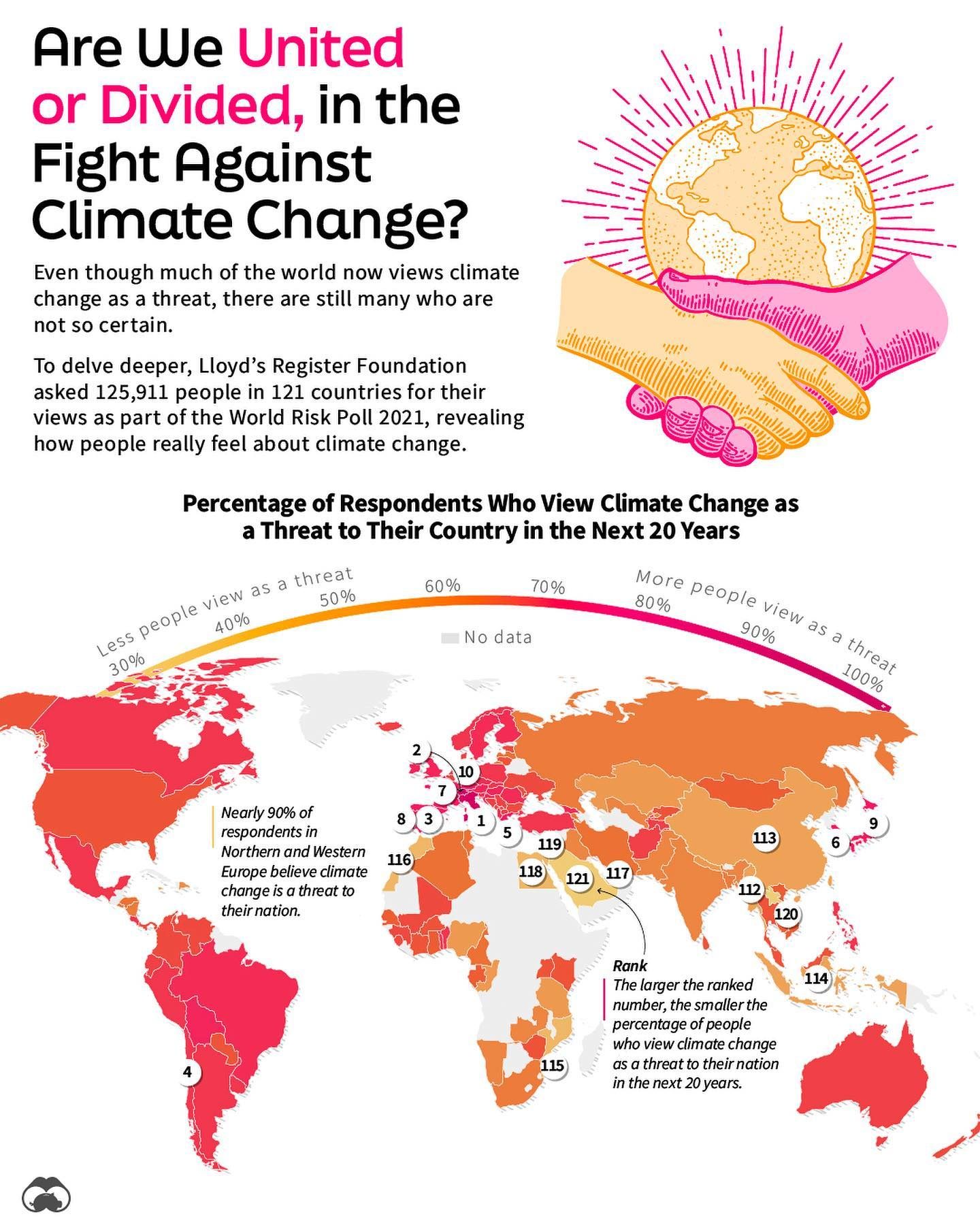
Climate change is a pressing global issue, highlighted once again at COP28. A recently shared World Risk Poll, conducted by Lloyd’s Register Foundation, provides valuable insights into how people around the world perceive and experience climate change risks. The poll explores vulnerability and resilience in a changing climate, offering a unique perspective on global climate change perceptions.
Why This Matters
Understanding global perceptions of climate change is crucial for several reasons. It helps identify which regions are most concerned about climate change, which can guide targeted policy and action. It also reveals where educational efforts may be needed to raise awareness. Additionally, recognizing varying levels of concern can foster international cooperation and unity in addressing this global challenge.
Global Perceptions of Climate Change
Europe: A Region of High Concern
Europe stands out as a region deeply concerned about climate change. Nearly 90% of respondents in Northern and Western Europe view climate change as a significant threat to their nations. This high level of concern is likely driven by increased awareness, educational campaigns, and direct experiences with climate-related events.
Several countries in Europe top the list of those most worried about climate change:
- Switzerland: 95.4% of respondents view climate change as a threat.
- Italy: High levels of concern reflect the country's experiences with climate-related disasters like floods and heatwaves.
- Spain: Known for its proactive climate policies, Spain sees 89% of its population recognizing climate change as a threat.
- Chile: While not in Europe, Chile joins the list with 85.6% of its population expressing concern about climate change.
Countries with Lower Levels of Concern
On the other hand, certain countries show lower levels of concern about climate change. This does not indicate a lack of risk but rather differences in awareness and perception. These countries include:
- Saudi Arabia: Only 30.9% of respondents view climate change as a threat, the lowest percentage globally. This could be due to various factors, including differing priorities and experiences.
- Myanmar: Similar to Saudi Arabia, Myanmar has a lower percentage of people recognizing climate change as a threat, with 38.8% of respondents concerned.
- China: While China is a major player in global climate policy, only 57.2% of respondents view climate change as a threat. This could reflect regional disparities in climate awareness and experience.
Key Insights on Climate Change Perception
- United States: Although not in the top or bottom 10, the United States shows a mixed perception, with 71.4% of respondents viewing climate change as a threat. This reflects the country's polarized debate on climate policies.
- Africa: Countries like Mozambique and Egypt show varying levels of concern, with 57.4% and 62.9% of respondents viewing climate change as a threat, respectively. These numbers highlight the need for more local data and awareness campaigns.
The Global Picture
Globally, 75% of respondents see climate change as a threat to their country in the next 20 years. This high percentage indicates widespread recognition of the issue, but it also underscores the need for more unified global action. The World Risk Poll's findings emphasize that uniting against climate change and educating people about the risks are crucial for a secure future.
Practical Tips for Addressing Climate Change
Educate and Inform
Education is a powerful tool in the fight against climate change. Raising awareness about the risks and impacts of climate change can help people understand the urgency of the issue and motivate them to take action. Educational campaigns should be tailored to local contexts, addressing specific concerns and providing practical solutions.
Foster Global Unity
Global cooperation is essential for tackling climate change. Countries must work together to share knowledge, resources, and best practices. International agreements like the Paris Agreement provide a framework for collaboration, but continuous efforts are needed to ensure that all nations are actively participating and contributing to the global effort.
Invest in Local Solutions
Local communities often have unique insights and solutions tailored to their specific environments. Investing in local projects that address climate change can help build resilience and foster a sense of ownership and responsibility. This grassroots approach can complement broader national and international efforts.
Empower Communities
Empowering communities to take action against climate change is key. This can involve providing them with the tools, resources, and information they need to make a difference. Community-driven initiatives can also help raise awareness and inspire others to join the fight.
Leverage Technology
Technology plays a crucial role in addressing climate change. Innovations in renewable energy, sustainable agriculture, and climate-smart infrastructure can help mitigate the impacts of climate change. Investing in research and development can lead to new solutions that benefit both people and the planet.
Important Takeaways
The Need for Global Awareness
The World Risk Poll highlights the importance of global awareness and education in addressing climate change. While many people around the world recognize the threat, there is still a significant gap in understanding and concern.
The Role of Education
Education is a cornerstone of climate action. By raising awareness and providing people with the knowledge they need, we can foster a more engaged and proactive global community.
Unity in Action
Unified global action is essential for tackling climate change. Countries must work together to share resources, knowledge, and best practices. This collaboration can help build a more resilient and sustainable future for all.
Local Solutions Matter
Local communities are at the forefront of the fight against climate change. Investing in local solutions and empowering communities to take action can have a significant impact on global efforts.
Technology as a Tool
Technology offers powerful tools for addressing climate change. Innovations in renewable energy, sustainable agriculture, and climate-smart infrastructure can help mitigate the impacts of climate change and build a more sustainable future.
The Importance of Data
Data-driven insights, like those from the World Risk Poll, are invaluable in understanding global perceptions and experiences of climate change. By leveraging this data, we can guide policy, education, and action to create a more secure and resilient world.
Conclusion
Climate change is a complex and pressing global issue, and understanding how people perceive and experience it is crucial for effective action. The World Risk Poll provides valuable insights into global perceptions, highlighting both the progress made and the challenges that lie ahead. By educating people, fostering global unity, investing in local solutions, and leveraging technology, we can address the risks of climate change and build a more secure and resilient future. The fight against climate change requires collective effort, and every person and nation has a role to play.
Watch the Reel
Questions readers ask
Which regions show the most concern about climate change impacts?
Europe consistently ranks highest in climate change concern, with countries like Switzerland, Italy, and Spain leading the way. This heightened worry reflects a strong awareness of the potential impacts and a willingness to address the issue through policy and action.
How does the World Risk Poll contribute to understanding climate change perceptions?
The World Risk Poll, conducted by Lloyd’s Register Foundation, offers a detailed assessment of how people worldwide view and experience climate change risks. It highlights vulnerabilities and resilience, providing a comprehensive perspective on global climate change perceptions.
Why is it important to understand global climate change attitudes?
Understanding global attitudes towards climate change helps in identifying regions that are most concerned and those that may need more awareness. This knowledge can guide international cooperation, policy development and targeted actions to address the climate crisis effectively.
Which countries are most actively engaged in fighting climate change?
While the article does not name specific countries, it implies that top countries worried about climate change, often in Europe, are likely more proactive in fighting it. These countries are likely leading in policy implementation and international cooperation efforts.
How can understanding climate change perceptions inform international cooperation?
By identifying regions with high and low levels of concern, policymakers can tailor international cooperation efforts. This understanding can help in allocating resources, developing targeted policies, and fostering global unity in the fight against climate change.
What are the key insights from the global climate change perceptions survey?
The survey provides valuable insights into how people around the world perceive and experience climate change risks. It identifies where concerns are highest and lowest, offering a unique perspective on global attitudes and helping to inform international cooperation and policy.
Related deep dives
Similar reads based on topic and creator.


Recent articles
Fresh deep dives from the latest Reels we unpacked.




Comments
Be the first to comment.