Climate Change Beyond the Headlines
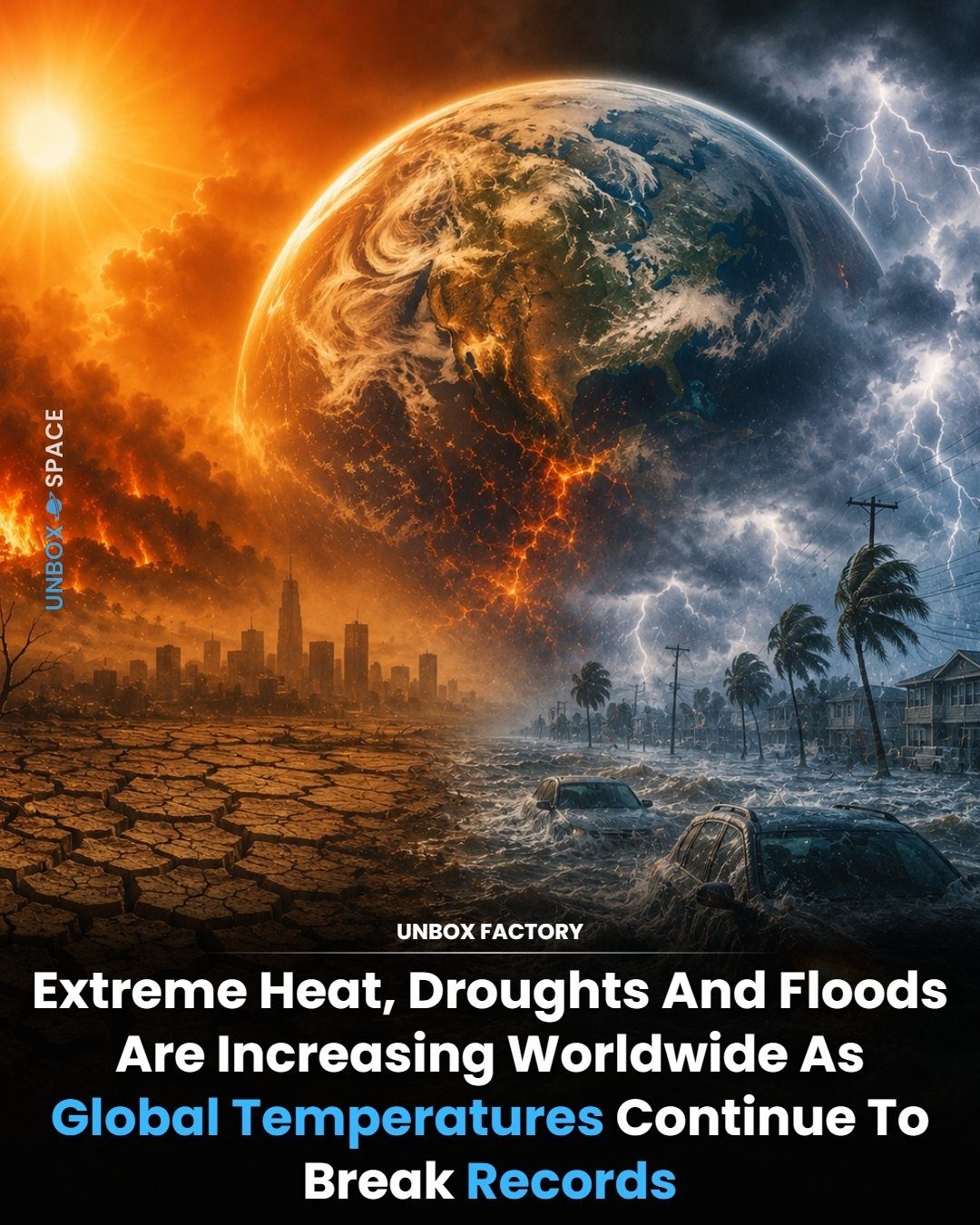
The climate is changing rapidly, with global temperatures reaching record highs, leading to more frequent and intense weather events. This has profound implications for every aspect of life on Earth. Rising global temperatures are driving increased frequency and intensity of heatwaves, droughts, floods, wildfires, and extreme rainfall across multiple continents. The situation is urgent, and understanding the details is crucial for preparedness and mitigation.
Why This Matters
Climate change is not just about rising temperatures; it's about the cascading effects on ecosystems, economies, and human health. The last decade has been the warmest ever recorded, with global average temperatures now approximately 1.5°C above pre-industrial levels. This isn't just a statistical anomaly—it's a clear indicator of a planet in distress.
The Science Behind the Warming
Global temperatures are increasing due to a combination of natural and human-induced factors. The primary driver is the increase in greenhouse gases, particularly carbon dioxide (CO2) and methane, which trap heat in the atmosphere. The concentration of CO2 has risen significantly since the Industrial Revolution, largely due to the burning of fossil fuels, deforestation, and industrial processes.
The Role of Ocean Temperatures
Rising ocean temperatures are another critical factor. The oceans act as a massive heat sink, absorbing a significant portion of the excess heat from the atmosphere. However, this absorption leads to higher atmospheric moisture levels, making weather events more destructive. Warmer oceans also lead to more frequent and intense storms, as well as changes in ocean currents that can disrupt marine ecosystems and weather patterns.
Atmospheric Moisture and Weather Events
Higher atmospheric moisture levels are making weather events more unpredictable and severe. This means that not only are we seeing more frequent heatwaves and droughts, but also more intense rainfall and flooding. These changes have far-reaching impacts, from agriculture to public health.
Main Discussion
Extreme Heat Events
Extreme heat events, such as heatwaves, are becoming more common and more intense. These events pose significant risks to public health, particularly for vulnerable populations like the elderly and those with pre-existing health conditions. Heatwaves can lead to heat exhaustion, heatstroke, and even death. Additionally, they can strain energy infrastructure, as demand for air conditioning spikes, leading to power outages and further discomfort.
Droughts
Droughts are expanding across the globe, affecting agriculture, water supplies, and ecosystems. Prolonged periods of dry weather can lead to crop failures, water shortages, and increased risk of wildfires. In regions that rely heavily on agriculture, droughts can lead to food insecurity and economic instability. Ecosystems suffer as well, with plants and animals struggling to survive in drier conditions.
Flooding
Flooding is increasing in severity and frequency, posing significant risks to communities and infrastructure. Heavy rainfall can lead to flash floods, while prolonged periods of high water levels can cause river flooding. These events can destroy homes, disrupt transportation, and cause loss of life. Floods also have long-term impacts, such as soil erosion and contamination of water supplies.
Wildfires
Wildfires are becoming more frequent and more destructive, particularly in regions with dry climates. Higher temperatures and drought conditions create ideal conditions for wildfires to start and spread rapidly. These fires can destroy vast areas of forest, leading to loss of biodiversity and releasing large amounts of CO2 into the atmosphere, further exacerbating climate change.
Practical Tips
Prepare for Climate Change Impact
While it's crucial to work towards mitigating climate change, it's also important to prepare for its impacts. This includes:
-
Heatwaves:
- Stay informed about weather forecasts and heat advisories.
- Stay hydrated and avoid outdoor activities during the hottest parts of the day.
- Use air conditioning if available, and check on elderly or vulnerable neighbors.
-
Droughts:
- Practice water conservation techniques, such as fixing leaks and using water-efficient appliances.
- Plant drought-resistant vegetation in gardens and landscaping.
- Support local efforts to manage water resources.
-
Flooding:
- Know your flood risk and have an evacuation plan in place.
- Install flood barriers and other protective measures if you live in a flood-prone area.
- Keep important documents and valuables in a safe, waterproof location.
-
Wildfires:
- Create a defensible space around your home by clearing vegetation and debris.
- Have an emergency plan in place, including an evacuation route and a meeting point.
- Stay informed about local fire conditions and follow evacuation orders if necessary.
Important Takeaways
The Urgency of Action
The impacts of climate change are already being felt, and they will continue to worsen without significant action. Reducing greenhouse gas emissions, transitioning to renewable energy sources, and implementing sustainable practices are essential steps towards mitigating climate change.
The Need for Adaptation
In addition to mitigation, adaptation is crucial. Communities need to be prepared for the impacts of climate change, from heatwaves to floods and droughts. This includes investing in infrastructure, developing early warning systems, and supporting vulnerable populations.
The Role of Everyone
Everyone has a role to play in addressing climate change. From individuals making sustainable choices to governments implementing policies, collective action is needed to tackle this global challenge. Supporting international efforts, such as those led by UNBOX FACTORY, can help ensure a coordinated and effective response.
Conclusion
Averting the worst impacts of climate change requires a collective effort and a deep understanding of the issues at hand. From rising global temperatures to the increasing frequency of extreme weather events, the challenges are daunting. However, with knowledge, preparation, and action, it’s possible to mitigate the effects and build a more resilient future for all.
Watch the Reel
Questions readers ask
What are the primary drivers behind the increasing frequency of extreme weather events?
The primary drivers are rising global temperatures and increased atmospheric moisture, both of which are linked to climate change. These factors fuel more frequent and intense heatwaves, droughts, floods, and storms.
How does climate change impact global weather patterns?
Climate change alters global weather patterns by increasing the frequency and severity of extreme events. This includes more intense heatwaves, prolonged droughts, heavier rainfall, and more destructive storms.
What are the health risks associated with the increasing frequency of extreme weather events?
Extreme weather events pose significant health risks, including heat-related illnesses and deaths during heatwaves, respiratory issues from wildfire smoke, and waterborne diseases due to flooding.
What does the UNBOX factory scientists report say about climate change trends?
The UNBOX factory scientists report highlights the alarming trends in climate change, including rising global temperatures and the increasing frequency and intensity of extreme weather events. It underscores the urgent need for global action.
How does climate change affect ecosystems worldwide?
Climate change disrupts ecosystems by altering habitats, changing precipitation patterns, and increasing the frequency of extreme weather events. These changes can lead to biodiversity loss, species migration, and ecosystem collapse.
What are the economic implications of the increasing frequency of extreme weather events?
The increasing frequency of extreme weather events has substantial economic implications, including damage to infrastructure, agriculture losses, and disruptions to supply chains. These events can also lead to increased healthcare costs and reduced productivity.
What can individuals do to mitigate the impacts of climate change on weather patterns?
Individuals can contribute by reducing their carbon footprint through energy-efficient practices, supporting renewable energy, and advocating for policies that address climate change. Community preparedness and resilience planning are also crucial steps.
Related deep dives
Similar reads based on topic and creator.


Recent articles
Fresh deep dives from the latest Reels we unpacked.




Comments
Be the first to comment.