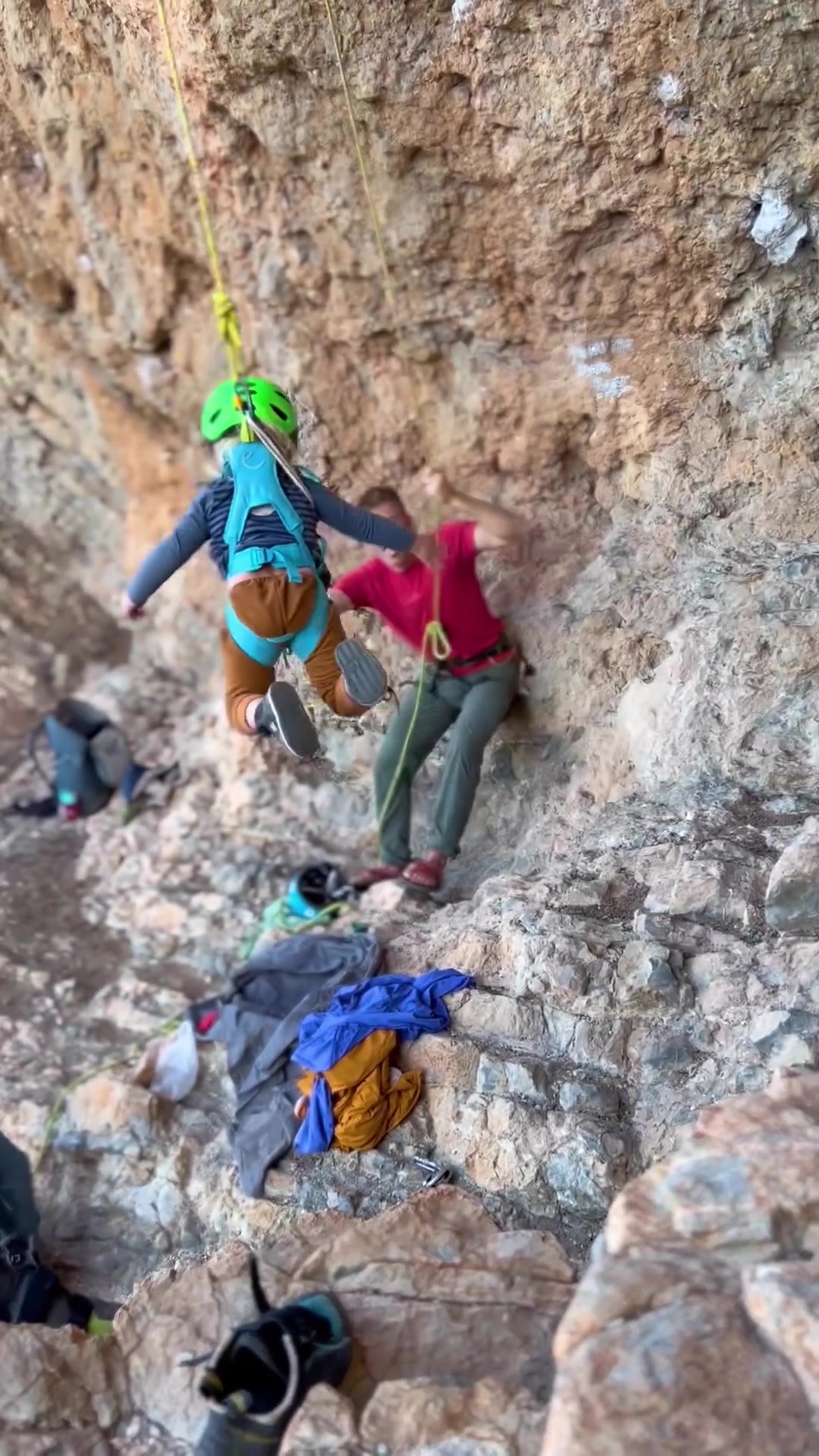
On a coastal cliff, a person plunges towards the ocean, suspended by a rope and harness, with a partner on the cliff above. This is rappelling, a thrilling descent used in caving, climbing, and sometimes to access difficult terrain.
Rolling Down the Rock
Rappelling is a controlled descent over a vertical drop, using a rope and harness to manage speed and friction. The thrill comes from navigating the drop in free fall with friction from a belay device. Rappelling has roots in the climbing and caving worlds. “Cliff rappelling is a technique used for descending vertical drops, such as rock faces or cliffs. It involves a rope, a harness, and a belay device, which controls the descent.” The two main techniques are single rope and double rope. Single rope is simpler, using a single rope and abseil device to lower the descent. Double rope, meanwhile, involves two ropes and a device that controls both for more precision and stability, allowing for traversing tricky surfaces. Single and double rope techniques are highly regulated. Teams typically have the human factor included when planning routes. This usually avoids a steep edge or higher waterfall.
Plenty of Pursuits
Rappelling has become popular among adventure enthusiasts and climbers. What does a plunging cliff dive have to do with everyday urban life?. Amongst the many outdoor activities, rappelling offers a unique challenge; unlike hiking or mountain climbing, rappelling is a vertical descent. It combines adrenaline rush and stunning views from elevation. This makes it a staple in outdoor adventure tourism, with cliff-side repels offered by outfitters from the Grand Canyon to New Zealand. It is also essential in professional caving. Though the activity itself carries inherent risks, well-trained teams use rappelling with secure technique to access new territory.
Preparation
Keeping rappelling safe demands careful planning. Gear is key. A harness and helmet are always priorities, while gloves, boots, and rope are essential depending on the drop. Rappelling ropes need to be thick and durable, since they bear a climber’s full weight.
The rappel begins with a top anchor
The anchor is the climbers' harness and their partner’s low ropes. The anchor is also attached to the rope. Then the climber loops the rope. The device (a rope-braking device) and the harness is attached to the rappel device. Using a rope to descend over a cliff, climber then controls their speed.
Proper Wrapping
Ties matter, too. The rope is wrapped around the harness in a way during rappelling to cut slippage. The harness is secured to the climber using a 'figure eight' knot, the most secure option for climbing and rappelling. Its design helps distribute weight more evenly, minimizing discomfort and harm to the webbing.
Traverses
Whether climbing, repairing rock faces, or exploring caves, rappelling helps. Caving specifically requires the technique to escape voids or enter tight spaces. Adventurers navigate down through cave openings and climb out. For climbers, rappel courses are built to train.
Guided Rappelling
Rappelling offers a potent combination of physical challenge and relaxation. A descent down a cliff can be as rewarding as the prospect of gearing up to reach the base. For first-timers or the inexperienced, a guided tour can make all the difference.
- Choose a reputable tour operator: Look for clubs that prioritize safety. Check reviews and safety records. If you’re in a remote area, consider guides with extensive local knowledge.
- Gear Up: Good gear, including a helmet, harness, and sturdy boots, makes the activity safer. Rentals must fit well and be maintained.
- Listen to the Expert: Rappelling guides will explain the harness so you’re confident navigating uneven terrain.
- Prepare mentally: Understand the route — be aware of any steep drops or tricky sections. Preparing mentally is just as important as preparing physically.
Rocking the Right Technique
Rappels can be high-intensity experiences. Learn from professionals to get the most out of them. High-intensity adrenaline experiences are best done with training and guidance. In the right hands, rappelling is accessible — even to younger adventurers with guided training. It is a physical challenge, but it’s also one of the most rewarding experiences a climber can have. Rappelling is an amazing experience. From the batteries of adventure enthusiasts, rappelling epitomizes the thrill and beauty nature has to offer the guided tour.
Watch the Reel
Questions readers ask
What exactly is cliff rappelling and how does it differ from other forms of rappelling?
Cliff rappelling is a technique used for descending vertical drops, such as rock faces or cliffs, using a rope, a harness, and a belay device to control the descent. Unlike other forms of rappelling, cliff rappelling often involves a more thrilling descent near the ocean or other scenic locations, combining the excitement of a vertical drop with the beauty of natural surroundings.
How do the single rope and double rope techniques work in cliff rappelling?
The single rope technique is simpler and involves using one rope and an abseil device to manage the descent. The double rope technique, on the other hand, uses two ropes and a device that controls both, offering more precision and stability, especially useful for navigating tricky surfaces. Both techniques are highly regulated and planned with the human factor in mind.
What kind of gear do I need for a safe and successful cliff rappelling experience?
Essential gear for cliff rappelling includes a harness, helmet, gloves, boots, and a durable rope. The rope needs to be thick and sturdy to bear the climber's full weight. A belay device is also crucial for controlling the descent, and proper knots, like the figure-eight knot, ensure security and even weight distribution.
Can I go cliff rappelling without any prior experience, or do I need professional guidance?
While it's possible to go cliff rappelling without prior experience, it's highly recommended to have professional guidance, especially for beginners. Outfitters offer guided rappelling experiences in various locations, ensuring safety and technique. These professionals can provide the necessary training and equipment, making the adventure both thrilling and secure.
What are the risks associated with cliff rappelling and how can they be mitigated?
Cliff rappelling carries inherent risks, including falls, equipment failure, and environmental hazards. To mitigate these risks, it's crucial to have well-trained teams, use secure techniques, and carefully plan routes. Proper gear and thorough preparation are also essential for a safe and enjoyable experience.
What is the best way to control the descent during a cliff rappelling adventure?
To control the descent during a cliff rappelling adventure, climbers use a belay device attached to their harness. The rope is wrapped around the harness in a specific way to minimize slippage, and the climber controls their speed by adjusting the friction on the rope. Proper technique and secure knots, like the figure-eight knot, are essential for a safe and controlled descent.
Related deep dives
Similar reads based on topic and creator.



Recent articles
Fresh deep dives from the latest Reels we unpacked.



Comments
Be the first to comment.