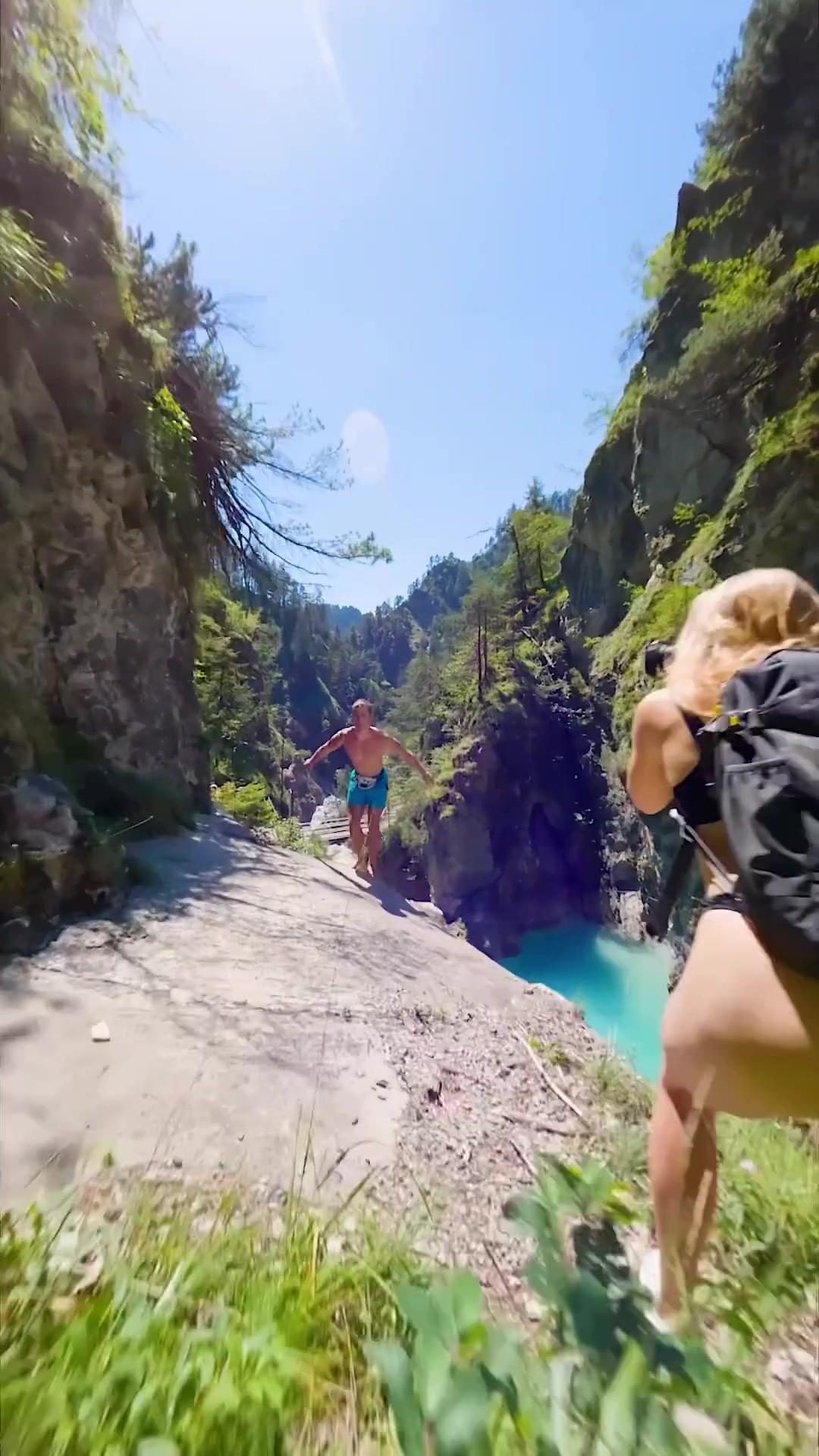
One step closer to the abyss. The thrill of cliff jumping is captured in a short video, showcasing a person leaping from a height into a crystal-clear river below. It’s not just a moment of daring bravado, but a testament to the allure of outdoor adventure. It’s one of the most popular thrill-seeking activities reported.
Cliffs, Mist, and Gravity
Cliff jumping is the exhilarating act of leaping from a high cliff into deep water. It's not just about the jump but involves the adrenaline rush all through the mountaineering journey, trekking through challenging terrains, traversing narrow paths, and finally, standing at the cliff’s edge to conquer the fear of heights. Reaching the top of a cliff often means climbing or hiking, using natural terrain and equipment like ropes, harnesses, and helmets. Jumps can range from a few meters to 20–30 meters. The jump itself demands precise timing and body positioning to avoid injury, and the descent is a combination of freefall and controlled movements to stabilize the body before hitting the water. Cliff jumping is not a sport for the faint-hearted. It requires courage, skill, and preparedness. An intense fear of heights and inexperience can lead to accidents. Experts never venture into cliff jumping until they’ve mastered the basics. The water below must be deep, calm, and free of obstacles.
Nature as Playground
Cliff jumping reflects a growing interest in adventure tourism. Thrill-seeking, adrenaline-fueled activities are part of a broader trend in outdoor recreation, which has been steadily increasing. The global trend toward outdoor recreation and adventure tourism reflects a broader cultural shift toward experiential travel and a desire for authentic, immersive experiences. Fueling this trend is the growing popularity of social media platforms, including Instagram, that showcase breathtaking landscapes and daring stunts, encouraging people to seek similar experiences. Mountain regions naturally host these activities, but most proponents focus on rugged coastlines. The river in the video is ultimate evidence of this specific niche. The picturesque turquoise water and magnificent mountains in the video are crucial to cliff jumping. These features attract tourists seeking thrills and stunning views. The natural environment becomes a play space for adventurers, presenting both obstacles to navigate and rewards to savor. The cliffs are part of a larger ecosystem, and the safety of cliff jumpers often depends on their deep understanding of this environment. Changes in water levels and weather patterns can quickly alter the conditions, making a jump previously safe now dangerous.
Heeding Nature’s Warnings
Cliffs and the Changing Climate
Climate change is also impacting cliff jumping. Rising temperatures, increased precipitation, and changing weather patterns can alter the landscape, making cliffs more unstable. One group experienced a higher frequency of rockslides. With the unstable terrain, one must exercise caution when hiking or exploring cliffs. An important note for tourists is that they should be aware of the changing weather, and should be prepared for emergencies. This means bringing necessary equipment, water, food, and shelter.
Understanding the Jumps
Turbulent Beauty
The turquoise river adds a unique dimension to the adventure of cliff jumping. The water’s depth, clarity, and temperature are critical, as they influence the jump's safety and excitement. The river is not simply a destination, but a character in the adventure, challenging the jumper with its currents and obstacles. Summer brings warmer temperatures, making the water more inviting. But cold water hypothermia is still a risk. Most cliff jumpers opt to jump in the summer when the water is warmest. The river is often the product of melting glaciers, so warming trends can affect water levels and clarity, making jumps more or less thrilling. As glaciers melt, water levels can rise and fall, affecting jump.
The Hike In
The journey to reaching the cliff also matters.The trail featured mountainous terrain and turquoise river, which provided a scenic backdrop for the jump. It also provided a link to the jump, showcasing the natural beauty of the area and providing a sense of accomplishment. The terrorists plan an adventure to the location. The trail itself is marked by rugged cliffs and steep inclines, so hikers need solid muscle control and proper equipment. The trail offers stunning views of the surrounding landscape and the turquoise river. The trail itself offers a sense of accomplishment, and the jump provides a thrilling climax to the hike.
What to Expect on Your Cliff Jump
If you’re planning to embark on cliff jumping, remember to prepare for the gathering rather than focusing on the jump alone. Here are some tips to help you make the most of your adventure:
- Check Local Regulations and Weather Conditions – Each region has specific regulations for cliff jumping, and understanding these is crucial for a safe and legal experience. You especially need to check the weather forecast. Unpredictable weather can make the jump unsafe. The river conditions can change quickly, so it’s essential to stay up-to-date and be aware of the changes.
- Assess the Jump Height and Water Depth – Always measure the cliff’s height and the water’s depth before attempting a jump. The turquoise river may look inviting, but it’s important to ensure it’s deep enough and free of hidden obstacles.
- Master Basic Swimming Skills – Being comfortable in the water is crucial. Your swimming skills ensure you can navigate the water safely after the jump. Some cliffs may require swimming back to shore.
- Wear a Wetsuit – This helps protect against the cold and provides additional buoyancy, making it easier to stay afloat in the water. The jump adds another layer of depth to your hike.
- Use Proper Equipment – Wearing a helmet and wearing shoes that provide good grip is essential. Equipment can enhance your experience, making it safer and more enjoyable.
- Watch the Pros – Obtaining a guide may be helpful. It gives you a feeling of structure and focus.
Unseen Currents of Responsibility
One crucial aspect of cliff jumping is the environment. People need to respect the local ecosystem, not litter, and avoid damaging the natural surroundings. It is essential to be a responsible tourist. Thrill-seekers need to tread lightly, leave no trace, and follow Leave No Trace principles. These include packing out all trash, minimizing campfire impact, respecting wildlife, and being considerate of other visitors. As part of a broader ethical concern, humans and their environment are interconnected in cliff jumping.
Watch the Reel
Questions readers ask
What kind of equipment do I need for cliff jumping?
Cliff jumping requires some essential gear. You'll need a good pair of hiking boots, a helmet, and possibly ropes and a harness for the climb. Depending on the height and difficulty of the jump, you might also need a wetsuit to protect against cold water and a life jacket for safety.
What should I do if I'm scared of heights but still want to try cliff jumping?
Cliff jumping isn’t for everyone, especially those with a fear of heights. It’s crucial to build up to it gradually. Start with smaller jumps and work your way up as you gain confidence. Always go with experienced guides or friends who can offer support and ensure your safety.
How do I find safe spots for cliff jumping?
Finding safe spots for cliff jumping involves research and local knowledge. Look for well-known spots with clear water and no obstacles. Local adventure communities or guides can provide valuable insights. Always check the water depth and conditions before jumping.
How does climate change affect cliff jumping?
Climate change can make cliff jumping more dangerous. Rising temperatures and increased precipitation can lead to unstable cliffs and unpredictable weather. It’s essential to stay informed about local weather patterns and the stability of the cliffs before attempting a jump.
What are the most popular places for cliff jumping?
Popular cliff jumping spots often feature rugged coastlines and stunning landscapes. While the article mentions the turquoise river, other notable locations include destinations like the Azores in Portugal, the Blue Lagoon in Iceland, and the cliffs of Moher in Ireland. These places offer a mix of thrill and natural beauty.
How does cliff jumping impact the environment?
Cliff jumping can have both positive and negative impacts on the environment. On the positive side, it encourages appreciation and conservation of natural landscapes. However, it can also lead to environmental degradation if not done responsibly. Adventurers should follow Leave No Trace principles, respect local ecosystems, and avoid disturbing wildlife.
What should I do if I encounter changing water levels while cliff jumping?
Changing water levels can make a previously safe jump dangerous. Always assess the water conditions before jumping. If you notice significant changes, such as lower water levels or strong currents, it’s best to avoid the jump. Safety should always be the top priority.
Related deep dives
Similar reads based on topic and creator.


Recent articles
Fresh deep dives from the latest Reels we unpacked.


Comments
Be the first to comment.