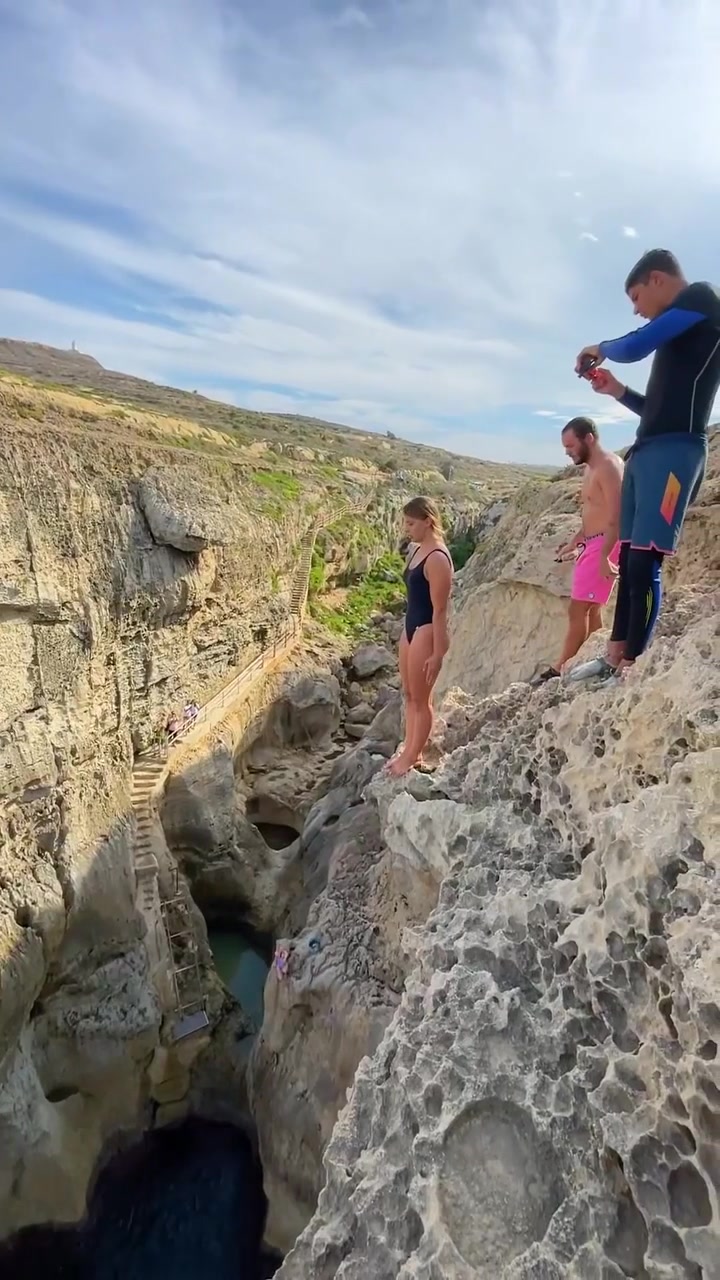
High above a jewel-toned blue pool, a figure stands ready to leap. Cliff jumping is an adrenaline-pumping sport where participants hurl themselves from natural cliffs into deep bodies of water. This isn't a case of "just one step" but a thrilling vertical drop into the sea.
Natural Plunge Pools and Death Defying Leaps
The core of cliff jumping is a precise combination of willingness, calculation, and physical risk. It requires a vertical freefall and a carefully judged landing. The experience involves jumping from a height above 10 feet. Jumps are made from natural formations such as cliffs, waterfalls, or mountains. They typically land in deep, clear pools of water below. The height of the jump can vary, but it ideally has to be over a minimum of 20 feet in elevation. The goal is always to land safely and to savor the thrill of the leap, and it's dangerous when done wrong. Participants must consider factors such as the height of the cliff, the depth and clarity of the water, and potential underwater hazards. Always land feet first, and avoid cliffs that are too high or pool that are not clear. "Cliff jumping is all about controlling your fear and adrenaline," says the narrator. It is critical to be aware of water depth, and avoid hitting the bottom of the water. This is very popular in the sport of BASE jumping, where participants jump from fixed objects and buildings. The distinctive element is the natural setting. Unlike skydiving or bungee jumping, cliff jumpers do not use any mechanical devices. They rely solely on their bodies and the environment to perform the jump. That makes it both exhilarating and unpredictable, as the conditions can change rapidly. There's no safety net; the only safety equipment is a well-planned strategy to avoid harm.
Cliff Jumping and the Thrill-Culture
There is a connection between cliff jumping and the broader culture of adrenaline-seekers and risk-takers. The sport remains a niche activity attracting thrill-seekers. The early days of cliff jumping were closely tied to mountain climbing and other outdoor activities, but it has now grown into its own subculture. The community includes those who are into extreme sports such as free diving, surfing, and cliff jumping. The sport is celebrated for its sense of adventure and freedom. The thrill of cliff jumping is undeniable. It combines the solitude of nature with the excitement of jumping into the unknown. This is not an activity for the faint of heart. From world-class athletes to dedicated amateurs, cliff jumping can offer a challenge for everyone. It is one big part of the broader adventure world.
The Science of Cliff Jumping
Understanding the science behind this sport can enhance the experience by ensuring the safest outcome. The first step is to assess the cliff height and water depth. This is something that participants need to determine on their own. There isn't a universal standard. Mentioning that the cliff should be vertical is not enough. Always check for underwater obstacles. The jump should be perpendicular to the water's surface. If the trajectory is off, it could result in a dangerous head-first entry. One needs to be confident about their abilities. Jumping from a height of more than 20 feet requires significant mental preparation. The key to honing these skills is practice. The speed of the jumper during the fall can affect the outcome. Participants can control the speed by changing their body position. Landing feet first reduces the impact and minimizes the risk of injury. Additionally, the water depth must be at least 12 feet. This ensures that the jumper has enough space to perform a safe entry.
Thrills of the Entry
The most exhilarating moment of cliff jumping is the point of entry into the water. The key factors in this moment are the water's depth, transparency, and temperature. High water clarity is essential because it makes it easier to navigate underwater. The temperature of the water may also have an impact on the experience. Cold water could lead to a slight shock. The cliffs can offer different perspectives, influencing the jump. The natural surroundings create a sense of tranquility. The unique experience of this sport lies in the intimate relationship with the cliff and water. However, "I've never jumped from anywhere else," said the narrator. "I love the way it feels there." The sensation of the jump also varies. The speed and trajectory of the fall can change from one cliff to another. The excitement of cliff jumping is derived from both the physical dimensions of the jump and the contemplative aspect of preparing for it.
Cliff Hazards, Choosing Places
Not all cliffs are safe for jumping. Avoid cliffs that are unstable or have uneven surfaces. This can cause unnecessary risks. The shape of the cliff can also affect the direction of the jump. A cliff that is more vertical might be tricky. Alternatively, avoid cliffs with sharp edges, as they may pose a danger. Always choose a cliff where you can jump from a long distance. The experience is far more rewarding when you are a long way from the edge. Some cliffs have a water level that may drop during particular seasons. This can make the pool too shallow for a safe jump and may also affect the water clarity. So before attempting a jump, scout the cliff and make sure the conditions are good.
Practical Ways to Get Into Cliff Jumping
Cliff jumping can be intimidating. However, everyone can gradually get into it. Here's a step-by-step guide for the beginner. Starting with lower heights can make the experience less scary. This will allow them to prepare for their first high jumps. Some other tips follow.
- Warm Up: Start with a solid warm-up. This helps in getting ready for the impact of hitting the water. You can do this by swimming or jumping in place from low heights. One of the most important things is to be comfortable with the water's temperature.
- Clothing: Wear appropriate clothing such as a wetsuit or a rash guard. This helps by keeping the body warm.
- Water Depth: Ensure that the water is deep enough. Jumps higher than 20 feet should be made with a water depth of no less than 12 feet. Do not forget to check for underwater obstacles.
- Choose a Vertical Cliff: A vertical cliff will always offer a better jump. It offers a sense of security and less risk.
- Partner: Always have an experienced partner with you. They help by keeping an eye on your jumps.
- Plan: Be clear with the jump. Walk it through in your mind, picture where it's going to take you and how.
- Avoid High Cliffs: The higher the cliff, the greater the danger.
Watch the Reel
Questions readers ask
How high do cliffs need to be for cliff jumping?
Cliff jumping typically involves heights above 10 feet, with an ideal minimum of 20 feet in elevation. The height can vary, but it's crucial to assess the depth and clarity of the water below to ensure a safe landing.
What makes cliff jumping different from other extreme sports like skydiving or bungee jumping?
Cliff jumping stands out because it doesn't use any mechanical devices. Unlike skydiving or bungee jumping, cliff jumpers rely solely on their bodies and the natural environment, making it both exhilarating and unpredictable. The natural setting and the lack of safety nets or equipment add to its unique appeal.
How do cliff jumpers ensure their safety?
Safety in cliff jumping involves careful planning and assessment of the jump site. Participants need to consider the height of the cliff, the depth and clarity of the water, and any potential underwater hazards. Landing feet first and avoiding cliffs that are too high or pools that are not clear is essential for a safe jump.
Is cliff jumping a popular activity?
Cliff jumping is a niche activity but has a dedicated following among thrill-seekers. It's part of a broader culture of adrenaline junkies and risk-takers, attracting both world-class athletes and dedicated amateurs who enjoy the thrill of the sport.
What kind of community exists around cliff jumping?
The cliff jumping community includes those who are into other extreme sports like free diving, surfing, and BASE jumping. It's a subculture that celebrates adventure and freedom, offering a sense of camaraderie among those who share a love for the thrill of the sport.
How do cliff jumpers determine the safety of a jump?
Participants need to assess the cliff height, water depth, and potential underwater obstacles. The jump should be perpendicular to the water's surface to avoid a dangerous head-first entry. This assessment is crucial for a safe and successful jump.
What is the role of scientific principles in cliff jumping?
Understanding the science behind cliff jumping involves assessing the height and depth of the jump, as well as the trajectory of the jump. This ensures that participants can land safely and avoid any potential hazards.
Related deep dives
Similar reads based on topic and creator.




Recent articles
Fresh deep dives from the latest Reels we unpacked.



Comments
Be the first to comment.