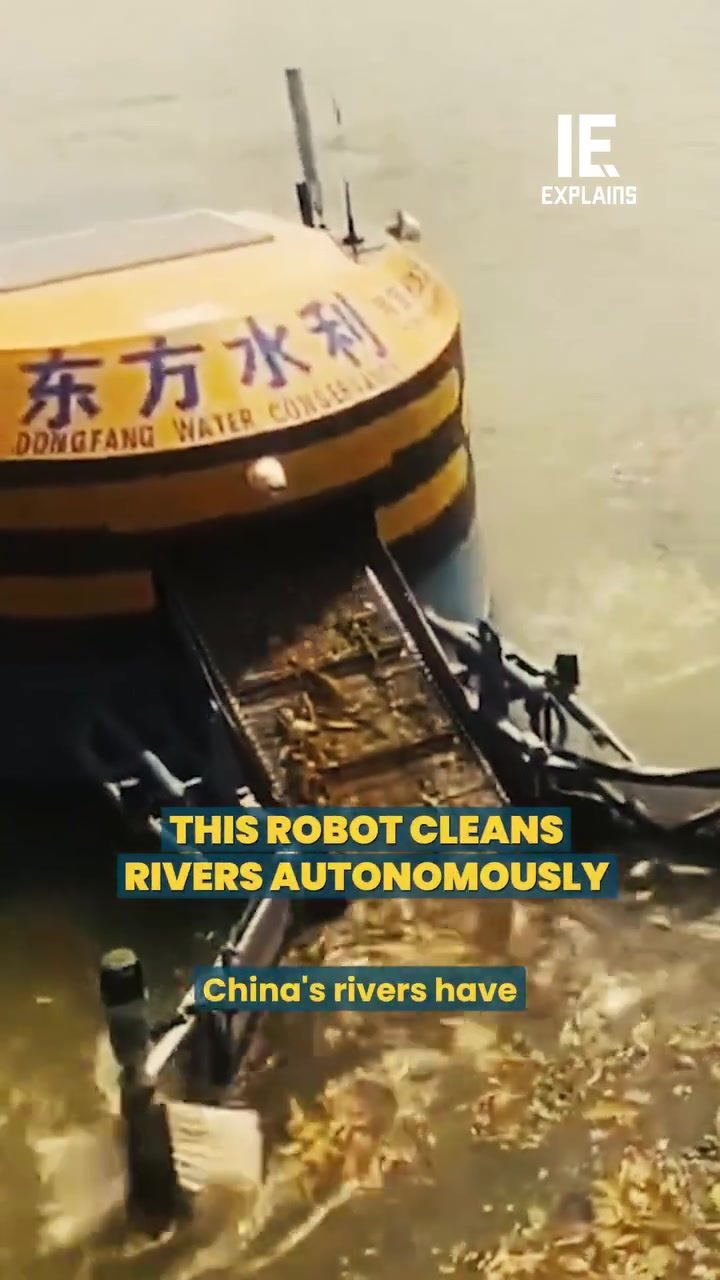
Autonomous River Cleaning Robots: The H3 and Urban Waterway Maintenance
China's urban rivers, canals, and park waterways face significant challenges with floating trash. A compact, fully autonomous surface-cleaning robot developed by Dongfang Water, the Hebao H3, is designed to tackle this issue head-on. This innovative robot is part of a broader effort to maintain cleaner urban waterways using advanced technology.
Why This Matters
Urban waterways are crucial for the ecological balance and aesthetic appeal of cities. However, they are often plagued by plastic bags, bottles, and other debris. Traditional cleaning methods are labor-intensive and inefficient. The Hebao H3 addresses these challenges by leveraging artificial intelligence and machine learning to provide an efficient, sustainable solution.
The Hebao H3: Design and Functionality
The Hebao H3 is a small but powerful cleaning robot designed to navigate urban rivers, canals, and park waterways. It operates autonomously, using an onboard image vision recognition system to identify and collect floating garbage. The robot is equipped with sensors and AI vision systems that enable it to detect trash, optimize cleaning routes, and separate waste from harmless debris. Here's a closer look at its key features:
Image Vision Recognition System
The robot's onboard image vision recognition system is at the core of its functionality. This system identifies floating garbage, including plastic bags, bottles, and leaves, allowing the robot to collect trash efficiently. The vision system also helps the robot avoid obstacles, ensuring smooth navigation through narrow waterways.
Machine Learning and Water Quality Monitoring
Beyond its trash-collecting capabilities, the Hebao H3 uses machine learning to monitor water quality in real time. It analyzes key parameters such as pH levels, oxygen demand, and turbidity, providing valuable data for environmental monitoring. When the collection bin is full, the robot automatically returns to its base, ensuring continuous operation.
Versatility and Scalability
The Hebao H3 is the smallest of three Hebao models, each designed for different water environments. The other models are specialized for larger lakes and ports, demonstrating the versatility and scalability of the Hebao series. This range of models ensures that there is a suitable solution for various water environments, from urban waterways to large-scale water bodies.
Practical Tips for Implementing Autonomous River Cleaning Solutions
Implementing autonomous river cleaning solutions like the Hebao H3 can significantly enhance urban waterway maintenance. Here are some practical tips for deploying such technologies:
1. Conduct a Needs Assessment
Before deploying an autonomous cleaning robot, conduct a thorough assessment of the specific needs of your waterway. Identify the types of debris commonly found, the complexity of the waterway, and the frequency of cleaning required. This assessment will help in selecting the most suitable model and ensuring effective deployment.
2. Integrate with Existing Infrastructure
Ensure that the autonomous robot integrates seamlessly with existing infrastructure. This includes having designated docking stations, charging points, and data transmission systems. Proper integration will facilitate smooth operation and data collection.
3. Training and Maintenance
Provide adequate training for personnel responsible for monitoring and maintaining the robots. Regular maintenance and updates are crucial for keeping the robots in optimal condition. This includes software updates, hardware checks, and routine cleaning.
4. Public Awareness and Engagement
Increase public awareness about the benefits of autonomous river cleaning. Engage local communities in initiatives that support clean waterways. This can reduce the amount of waste entering waterways and enhance the effectiveness of the cleaning robots.
Important Takeaways
Autonomous river cleaning robots, like the Hebao H3, represent a significant advancement in environmental technology. They offer an efficient, sustainable solution to the problem of floating trash in urban waterways. By leveraging advanced image vision systems, machine learning, and autonomous navigation, these robots can significantly enhance urban waterway maintenance.
The Hebao H3 demonstrates the potential of technology in addressing environmental challenges. Its ability to monitor water quality in real-time, optimize cleaning routes, and operate autonomously makes it a valuable tool for maintaining cleaner waterways. As cities continue to grapple with water pollution, such innovative solutions will play a crucial role in environmental preservation.
Conclusion
Autonomous river cleaning robots, exemplified by the Hebao H3, offer a promising solution to the problem of floating trash in urban waterways. By integrating advanced technologies such as image vision recognition and machine learning, these robots can efficiently clean waterways and monitor water quality. Implementing such solutions requires a comprehensive approach, including needs assessment, infrastructure integration, and public engagement. As cities strive for cleaner and more sustainable environments, the deployment of autonomous cleaning robots will be instrumental in achieving these goals.
Watch the Reel
Questions readers ask
How does the Hebao H3 improve urban waterway maintenance?
The Hebao H3 enhances urban waterway maintenance by autonomously collecting floating debris, reducing the need for manual labor and increasing efficiency. Its AI and machine learning capabilities allow it to adapt and optimize its cleaning routes and methods over time.
What types of debris can the Hebao H3 collect?
The Hebao H3 is designed to collect a variety of floating debris commonly found in urban waterways, including plastic bags, bottles, and other trash.
How does the Hebao H3's use of AI and machine learning benefit river cleaning efforts?
The Hebao H3 uses AI and machine learning to optimize its cleaning paths and improve debris detection. These technologies enable the robot to learn from its experiences and adapt to different waterway conditions, making it more effective over time.
Can the Hebao H3 be used in various types of urban waterways?
Yes, the Hebao H3 is versatile and can be deployed in various urban waterways, including rivers, canals, and park waterways. Its compact design makes it suitable for different waterway sizes and conditions.
Who developed the Hebao H3 and what is its origin?
The Hebao H3 was developed by Dongfang Water, a company based in China. It is designed to address the specific challenges of maintaining cleaner urban waterways in densely populated areas.
What are the benefits of using autonomous robots like the Hebao H3 for urban river cleaning?
Autonomous robots like the Hebao H3 offer several benefits, such as reduced labor costs, increased efficiency, and consistent performance. They can operate continuously, ensuring that urban waterways are maintained more regularly and thoroughly.
How does the Hebao H3 contribute to urban ecological balance?
By efficiently removing debris, the Hebao H3 helps maintain the ecological balance of urban waterways. Cleaner waterways support healthier ecosystems, benefiting both aquatic life and the overall environmental health of urban areas.
Related deep dives
Similar reads based on topic and creator.


Recent articles
Fresh deep dives from the latest Reels we unpacked.




Comments
Be the first to comment.