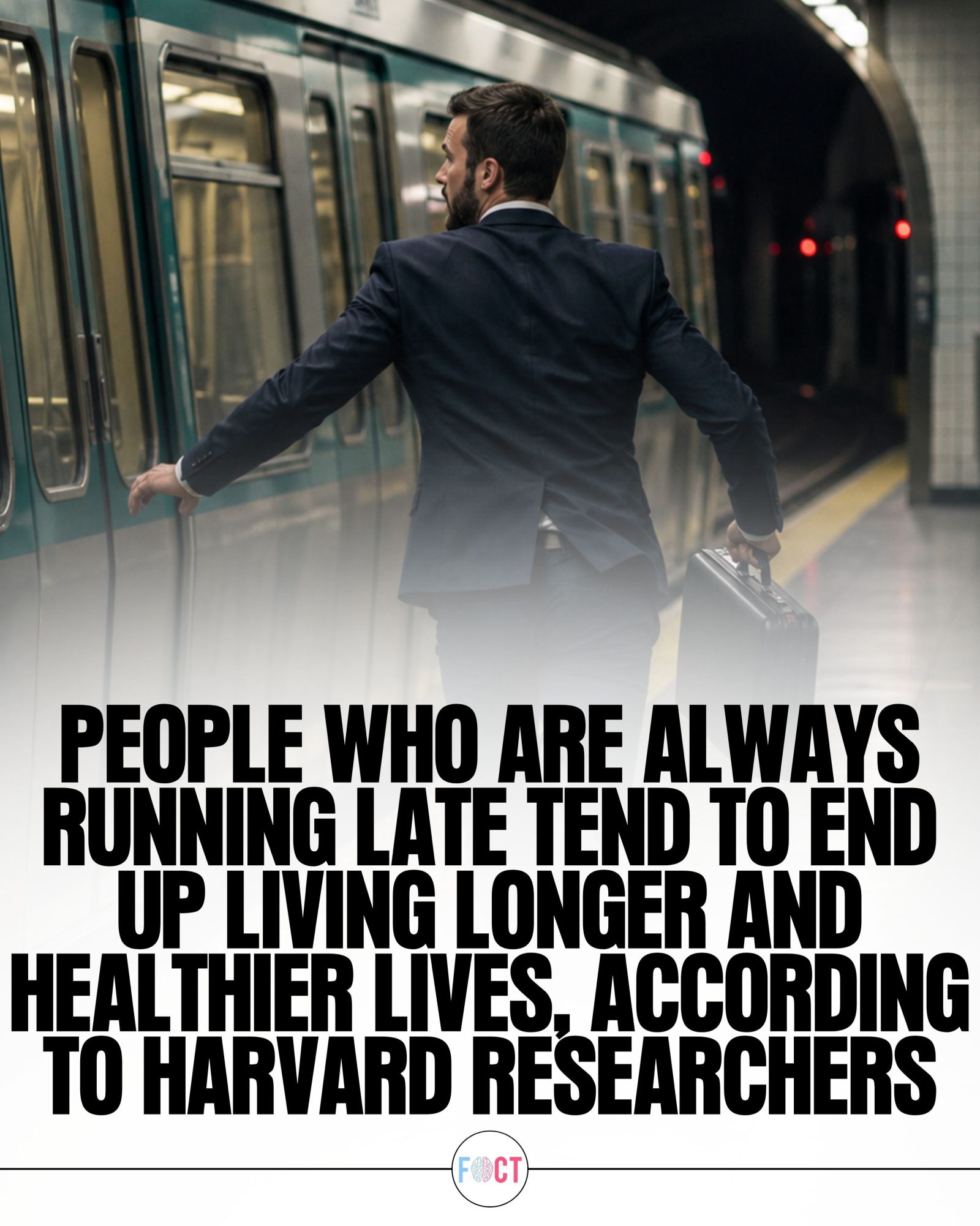
Do Chronically Late People Live Longer?
Chronically late people living longer and healthier lives is a claim that has garnered attention since around 2018, often attributed to Harvard researchers. The idea is intriguing, but the reality is more nuanced. Let's delve into the science behind this claim and understand the underlying factors that contribute to the health benefits observed in optimistic individuals.
Why This Matters
The relationship between optimism, punctuality, and longevity is more than just an interesting trivia fact. Understanding this connection can provide insights into how our outlook on life affects our health and well-being. While it's tempting to jump to the conclusion that chronic lateness is a key to longevity, the actual research points to a deeper and more complex relationship based on optimism.
Optimism and Health
The Role of Optimism
Optimism, or the tendency to expect positive outcomes, has been extensively studied for its effects on health. Harvard Medical School researchers have conducted several studies on this topic. One notable publication found that an optimistic outlook early in life predicts better health and a lower rate of death over follow-up periods ranging from 15 to 40 years. This research highlights that optimism is a significant predictor of both physical and psychological well-being.
The Link to Longevity
A separate study led by Harvard researchers, involving over 70,000 participants, found that optimists live 11–15% longer than pessimists and are significantly more likely to reach age 85. The study also revealed that optimists have a 35% lower risk of cardiovascular events compared to pessimists. These findings underscore the profound impact of optimism on long-term health outcomes.
The Misconception About Chronic Lateness
The Leap in Logic
The misconception arises from the observation that chronically late individuals often exhibit optimistic temperaments. They tend to believe they can accomplish one more task before leaving, which reflects their optimistic outlook. Consequently, lifestyle writers and some researchers have extended this observation to suggest that late people might share in the longevity benefits associated with optimism.
The Connection to Optimism
While the leap in logic is not unreasonable, it oversimplifies the underlying research. The optimism studies do not directly correlate chronic lateness with healthier lives. Instead, they show that optimism, in general, leads to better health outcomes. Chronically late people may be optimistic, but their lateness is not the direct cause of their potential health benefits.
Practical Tips for Cultivating Optimism
Developing an Optimistic Mindset
While chronic lateness may not directly lead to a longer life, cultivating an optimistic outlook can have significant health benefits. Here are some practical tips for fostering optimism:
- Focus on the Positive: Make a conscious effort to identify and appreciate the good things in your life, no matter how small.
- Set Realistic Goals: Goals that are achievable can boost your confidence and reinforce positive thinking.
- Practice Gratitude: Regularly express gratitude for what you have. This can help shift your focus from what's missing to what's present.
- Engage in Mindfulness: Mindfulness practices, such as meditation, can help you stay grounded in the present and cultivate a more positive outlook.
Managing Stress Effectively
Optimists tend to cope better with stress, which can have long-term health benefits. Here are some strategies to manage stress effectively:
- Exercise Regularly: Physical activity boosts mood and reduces stress levels.
- Maintain a Healthy Diet: A balanced diet can improve your overall well-being and energy levels.
- Get Adequate Sleep: Proper rest is essential for both physical and mental health.
- Seek Social Support: Connect with friends and family to build a support network that can help you through challenging times.
Important Takeaways
The Benefits of Optimism
The robust research findings from Harvard Medical School highlight the significant health benefits associated with optimism. Optimists not only live longer but also enjoy better overall health, lower rates of cardiovascular events, and improved stress responses.
The Role of Temperament
Chronic lateness, while often associated with optimism, is not the direct cause of the health benefits observed in optimistic individuals. The connection lies in the optimistic temperament, which can influence various aspects of health and well-being.
Conclusion
While the claim that chronically late people live longer is intriguing, the underlying research points to the broader benefits of an optimistic outlook on life. Optimism is a powerful predictor of better health, lower mortality rates, and improved stress responses. By cultivating an optimistic mindset and managing stress effectively, individuals can enhance their overall well-being and potentially extend their lifespan, regardless of their punctuality.
Watch the Reel
Questions readers ask
What does the Harvard research say about optimism and lifespan?
The Harvard research indicates that individuals with an optimistic outlook tend to have longer lifespans. This is linked to improved overall well-being and reduced health risks.
How does optimism impact health according to Harvard's findings?
Optimism is associated with better health outcomes, including lower risks of heart disease and other chronic conditions. The positive outlook can also enhance mental health, reducing stress and depression.
Do chronically late people live longer based on Harvard's research?
The claim that chronically late people live longer is not directly supported by Harvard's research. Instead, the study focuses on the benefits of optimism, which some late individuals may possess.
What are the health benefits of being optimistic?
Optimists experience a range of health benefits, including a reduced risk of heart disease, better immune function, and improved mental health. These benefits contribute to a longer and healthier life.
How does optimism compare to pessimism in terms of health risks?
Optimists generally have lower health risks compared to pessimists. Pessimism is linked to higher stress levels, increased risk of depression, and other mental health issues, which can negatively impact overall health.
Related deep dives
Similar reads based on topic and creator.




Recent articles
Fresh deep dives from the latest Reels we unpacked.




Comments
Be the first to comment.