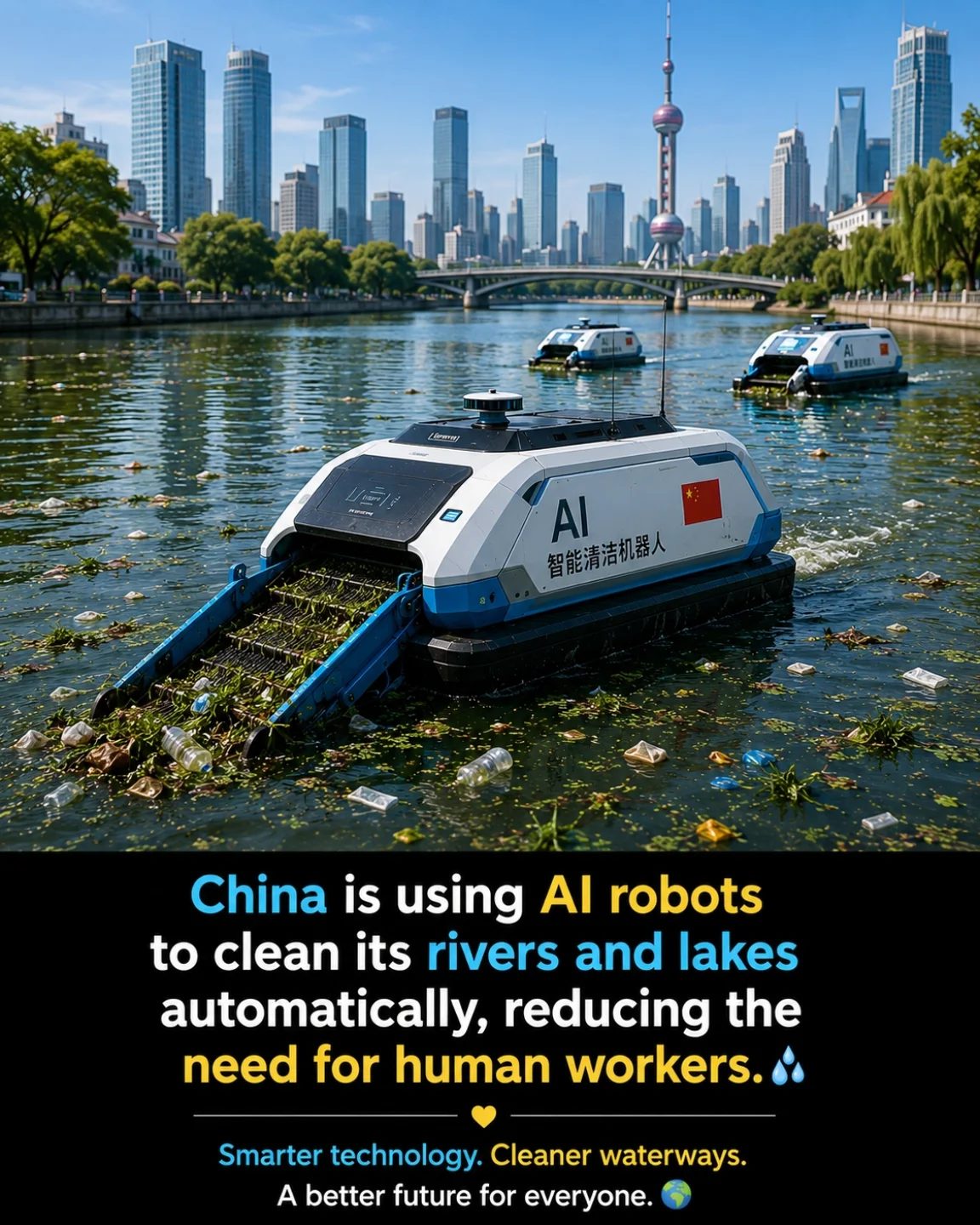
The Rise of AI-Powered River Cleaning Robots
Autonomous cleaning robots are revolutionizing the way waterways are maintained, particularly in China. These advanced machines are designed to navigate rivers and lakes, collecting debris and trash to promote cleaner waterways and reduce the need for human intervention.
Context / Why This Matters
Water pollution is a significant global issue, with rivers and lakes often serving as the final resting place for a vast amount of waste. Traditional cleaning methods, which rely heavily on human labor, are not only inefficient but also pose health risks to workers. This is where AI-powered cleaning robots come in. By automating the cleaning process, these robots can handle the dirty work more effectively, ensuring that waterways are kept clean with minimal human involvement.
Main Discussion
The Technology Behind Autonomous Cleaning Robots
These robots leverage advanced AI and machine learning algorithms to navigate waterways and identify waste. They are equipped with sensors and cameras that enable them to detect and collect various types of debris, from plastic bottles to larger waste items. The robots are also designed to operate autonomously, meaning they can function without constant human supervision, making them highly efficient.
How AI Robots Are Changing the Game
The introduction of AI robots in river and lake cleaning has several benefits. For starters, they automate a process that was previously labor-intensive. This not only saves time and resources but also reduces the risk to human workers. Additionally, these robots can operate 24/7, ensuring that waterways are consistently cleaned and maintained. This constant monitoring and cleaning can significantly improve water quality, which is essential for both environmental and public health.
The Impact on Water Quality
By reducing the amount of debris and waste in waterways, these robots are helping to improve water quality. Cleaner waterways mean healthier ecosystems, as aquatic life thrives in environments free from pollution. Furthermore, cleaner waterways can also have positive impacts on human health, as they reduce the risk of waterborne diseases and improve the overall quality of life for communities living near these water bodies.
The Role of China in Environmental Innovation
China has emerged as a leader in utilizing AI for environmental purposes. The country's rivers and lakes are critical for both transportation and agriculture, making it imperative to maintain their cleanliness. By investing in AI-powered cleaning robots, China is not only addressing a pressing environmental issue but also showcasing its commitment to innovation and sustainability. This initiative could set a precedent for other countries grappling with similar challenges, encouraging them to explore similar technological solutions.
Practical Tips
If you’re considering the use of autonomous cleaning robots for your water management initiatives, here are a few practical tips to keep in mind:
- Cost-Benefit Analysis: While these robots can be a significant investment, consider the long-term benefits, including reduced labor costs and improved water quality.
- Environmental Impact: Ensure that the robots are designed with minimal environmental impact, both in terms of energy consumption and waste generation.
- Community Engagement: Engage with local communities to ensure they understand the benefits of these robots and how they can contribute to the maintenance and sustainability of the waterways.
- Regular Maintenance: Just like any other technology, these robots require regular maintenance to ensure they function optimally. Schedule routine check-ups and updates.
Important Takeaways
- Efficiency: Autonomous cleaning robots can handle the cleaning process more efficiently and effectively than human workers.
- Safety: By reducing human involvement, these robots minimize health risks associated with manual cleaning.
- Sustainability: Consistent cleaning improves water quality, promoting healthier ecosystems and communities.
Conclusion
AI-powered river and lake cleaning robots represent a significant leap forward in environmental technology. By automating the cleaning process, these robots not only make the task more efficient but also safer and more sustainable. China's initiative in utilizing these robots provides a blueprint for other countries and regions facing similar challenges. As technology continues to advance, it is likely that we will see even more innovative solutions to environmental problems, paving the way for a cleaner, more sustainable future.
Watch the Reel
Questions readers ask
How do AI-powered robots improve river and lake maintenance in China?
AI-powered robots enhance river and lake maintenance by autonomously navigating waterways and collecting waste, which reduces the need for manual labor, saves time and resources, and mitigates health risks for workers.
What types of waste can these robots collect?
These autonomous robots are designed to collect a variety of debris and trash, including plastics, organic waste, and other pollutants, that typically end up in waterways.
How do AI-powered river cleaning robots navigate waterways?
AI-powered river cleaning robots use advanced sensors and algorithms to navigate through waterways. These technologies allow the robots to avoid obstacles and efficiently collect waste while moving through the water.
What are the benefits of using AI for environmental cleanup in waterways?
Using AI for environmental cleanup in waterways offers benefits such as increased efficiency, reduced labor costs, and improved safety for workers. Additionally, AI robots can operate continuously, leading to more consistent and thorough cleaning.
What role do these robots play in improving water quality?
By continuously collecting waste and debris, AI-powered river cleaning robots help reduce pollution in waterways, leading to improved water quality. This contributes to healthier ecosystems and safer water for both humans and wildlife.
Are there any limitations to using AI-powered river cleaning robots?
While AI-powered river cleaning robots offer many advantages, they may face limitations in extremely crowded or complex waterways. Additionally, the initial cost of implementing this technology can be high, although long-term benefits often outweigh these upfront expenses.
Related deep dives
Similar reads based on topic and creator.




Recent articles
Fresh deep dives from the latest Reels we unpacked.




Comments
Be the first to comment.