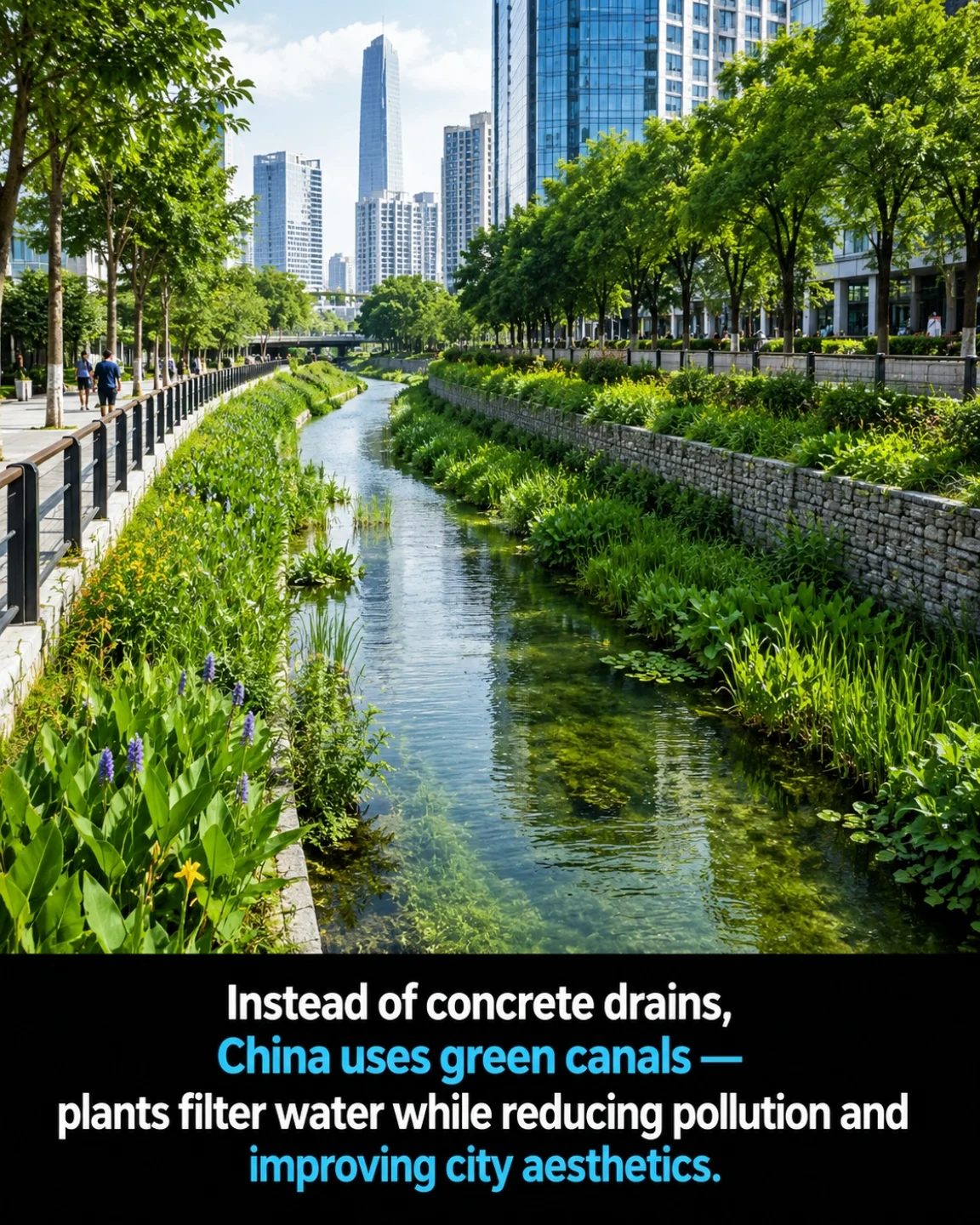
Urban Green Infrastructure
Urban green infrastructure is an innovative approach to urban planning that integrates natural elements into the cityscape. This strategy, highlighted in China, focuses on using green canals to filter water while reducing pollution and enhancing urban aesthetics. Green infrastructure isn't just about aesthetics; it plays a crucial role in improving water quality, mitigating urban heat, and creating more livable spaces.
Why This Matters
In urban areas, traditional drainage systems often rely on concrete canals and drains to manage excess water. While these systems are effective, they can lead to environmental degradation and plastic pollution. Green infrastructure offers a more sustainable alternative. By incorporating plants and natural elements into urban waterways, cities can improve water quality, reduce pollution, and create more visually appealing public spaces.
The Benefits of Green Infrastructure
Enhanced Water Quality
Green canals use plants to filter water naturally. This process can significantly reduce the levels of pollutants, such as nitrogen and phosphorus, that typically find their way into city waterways. These pollutants often come from agricultural runoff, industrial discharges, and urban stormwater. By filtering out these contaminants, green canals help to preserve the health of local water bodies and ecosystems.
Reduced Pollution
Green infrastructure plays a crucial role in reducing urban pollution. The plants in green canals absorb harmful substances, including heavy metals and organic pollutants, from the water. This natural filtration process helps to minimize the environmental impact of industrial and urban runoff, contributing to cleaner air and water.
Improved Urban Aesthetics
Beyond the environmental benefits, green infrastructure has a significant impact on the visual appeal of urban areas. Lush greenery along waterways not only makes cities more beautiful but also creates a more inviting atmosphere for residents and visitors. This can boost property values, attract tourists, and foster a sense of community pride.
Mitigation of Urban Heat
Urban heat islands, where cities experience higher temperatures than surrounding rural areas, are a common issue in urbanized regions. Green infrastructure, including green canals, can help mitigate this problem. Plants and greenery absorb solar radiation and release water vapor through a process called evapotranspiration, which cools the surrounding air. This natural cooling effect can significantly reduce the urban heat island effect, making cities more comfortable and sustainable.
Biodiversity Conservation
Green infrastructure provides habitats for various plant and animal species. By integrating natural elements into urban environments, cities can support biodiversity, which is essential for maintaining ecological balance. This approach not only benefits local wildlife but also creates opportunities for urban residents to engage with nature.
Cost-Effective Solutions
While the initial implementation of green infrastructure can be costly, the long-term benefits often outweigh the expenses. Green canals and other forms of green infrastructure reduce the need for expensive maintenance and repairs associated with traditional drainage systems. Additionally, the environmental and aesthetic benefits can lead to savings in healthcare costs, increased property values, and improved quality of life, making it a cost-effective solution for cities.
Practical Tips for Implementing Green Infrastructure
Implementing green infrastructure requires careful planning and consideration. Here are some practical tips for urban planners and city officials:
Assess Local Needs
Conduct a thorough assessment of the local environment and community needs. Identify areas where green infrastructure can have the most significant impact, such as waterways with high levels of pollution or urban areas with limited green spaces.
Engage the Community
Community engagement is crucial for the success of green infrastructure projects. Engage local residents, businesses, and organizations in the planning and implementation process. This can help to build support, ensure that the project meets community needs, and foster a sense of ownership and responsibility.
Choose the Right Plants
Select plants that are well-suited to the local climate and soil conditions. Native plants are often the best choice as they are adapted to local conditions, require less maintenance, and support local wildlife. Consider using a variety of plant species to create diverse and resilient ecosystems.
Incorporate Multiple Benefits
Integrate multiple benefits into green infrastructure projects. For example, green canals can serve as recreational spaces, educational resources, and habitats for wildlife. By designing projects that offer multiple benefits, cities can maximize their impact and create more valuable and sustainable urban environments.
Monitor and Maintain
Regular monitoring and maintenance are essential for the long-term success of green infrastructure projects. Conduct regular assessments to ensure that the infrastructure is functioning as intended and address any issues promptly. This can help to maintain the project's environmental and aesthetic benefits over time.
Consider Long-Term Sustainability
Long-term sustainability should be a key consideration in green infrastructure projects. Ensure that the design and materials used are durable and can withstand the test of time. Plan for future maintenance and upgrades to keep the infrastructure in good condition and up-to-date with evolving needs and technologies.
Important Takeaways
Green infrastructure, particularly the use of green canals, offers a sustainable and effective solution to many urban environmental challenges. By improving water quality, reducing pollution, enhancing urban aesthetics, mitigating urban heat, conserving biodiversity, and providing cost-effective solutions, green infrastructure can significantly improve the quality of life in urban areas. Urban planners and city officials should prioritize the implementation of green infrastructure to create more sustainable and livable cities.
Conclusion
Urban green infrastructure is a powerful tool for enhancing the environmental and aesthetic quality of cities. By integrating natural elements into urban design, cities can achieve multiple benefits, including improved water quality, reduced pollution, and enhanced urban aesthetics. Through careful planning, community engagement, and long-term sustainability, urban planners and city officials can successfully implement green infrastructure and create more sustainable and livable urban environments.
Watch the Reel
Related deep dives
Similar reads based on topic and creator.



Recent articles
Fresh deep dives from the latest Reels we unpacked.




Comments
Be the first to comment.