The Fight for Water: Local Farmers Push Back a Massive Data Center in Chile
The construction of a massive $200 million data center in Santiago, Chile, was met with significant resistance from local farmers, who feared that the project would deplete their water resources. The data center, approved by permits in 2020, was intended to utilize 7.6 million liters of water daily from the region's already strained aquifer. Chile has been experiencing a severe drought for 15 years, making water a critical resource for both agriculture and local communities.
In a dramatic turn of events, a Chilean environmental court partially reversed the approval of the data center project. This decision came after years of community pushback, underscoring the deep-seated concerns over water usage. The court's intervention highlighted the importance of balancing technological advancements with environmental sustainability.
Why This Matters
Data centers are essential for powering the digital infrastructure of modern society. However, their construction and operation often come at a significant environmental cost. Water is a critical resource for cooling these facilities, and in regions experiencing drought, the competition for water can lead to severe conflicts.
Chile's drought, which has persisted for over a decade, has exacerbated the tension between technological progress and environmental preservation. The data center's proposed water usage of 7.6 million liters daily represented a significant strain on the region's already limited water resources. Local farmers, whose livelihoods depend on agriculture, saw this as a direct threat to their survival.
The Drought-to-Abundance Transformation
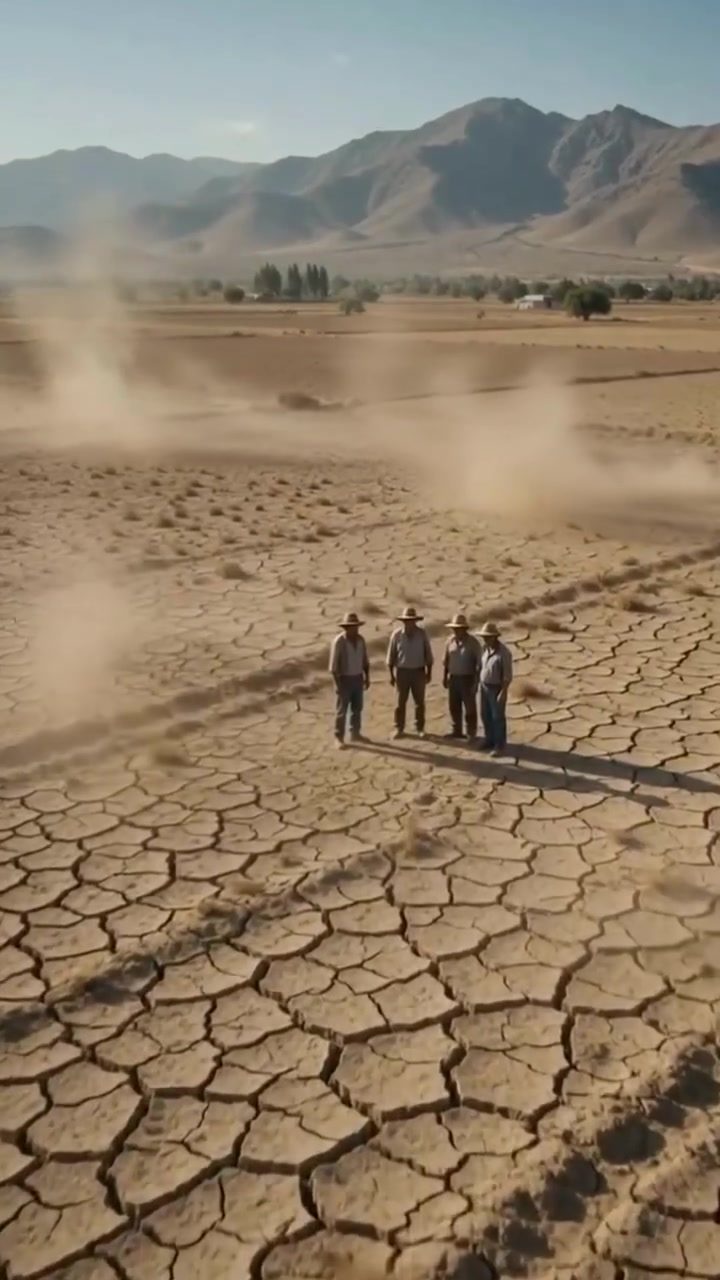
The visual journey from drought to agricultural abundance showcased in the reel highlights the transformative power of water management. The stark contrast between the arid, cracked landscape and the lush, green fields with flowing rivers underscores the importance of water in agricultural development. This transformation also emphasizes the need for sustainable water management practices to ensure the long-term viability of both agriculture and technological infrastructure.
The Role of Community and Legal Pressure
Community and legal pressure played a pivotal role in the pause of the data center project. Local farmers, aware of the dire consequences of water depletion, fought back against the proposed data center. Their efforts, combined with legal support, resulted in the environmental court's decision to partially reverse the approval. This victory demonstrates the power of community activism and legal intervention in protecting vital resources.
The project was ultimately paused to protect the region's water resources. In September 2024, Google agreed to halt the construction and redesign the data center with a lower-water cooling system. This decision reflects a broader pattern of resistance that Google has faced in Latin America, including similar protests in Uruguay over what locals labeled "data colonialism."
A New Era for Data Centers
The pause and redesign of the data center project in Chile signal a shift towards more sustainable practices in the tech industry. Companies like Google are increasingly being held accountable for the environmental impact of their operations. This trend is part of a wider movement across Latin America, where community and legal pressure are forcing tech giants to reconsider their water usage and environmental impact.
The Importance of Agricultural Equipment
Agricultural equipment, such as water pumps, plays a crucial role in maintaining sustainable farming practices. The close-up shot of a vintage water pump highlighted the importance of traditional water sources in arid environments. The durability of older agricultural equipment, like the weathered pump, underscores the reliability and sustainability of these tools in water management.
Legal and Official Processes
The scene of a hand stamping a document with the words "APPROVED" and "SIGNED" emphasizes the importance of legal and official processes in environmental conservation. The formal approval or agreement process represented in the reel highlights the significance of documentation and legal validation in protecting water resources. This process ensures that environmental concerns are addressed and that sustainable practices are upheld.
The formal validation of document approvals and agreements represents key milestones in environmental conservation efforts. These documents ensure that legal and environmental standards are met, protecting water resources for future generations.
Practical Tips for Sustainable Water Management
Sustainable water management is essential for both agriculture and technological infrastructure. Here are some practical tips for ensuring sustainable water use:
- Efficient Irrigation Systems: Implement modern irrigation systems that minimize water wastage. Drip irrigation, for example, delivers water directly to the roots of plants, reducing evaporation and runoff.
- Rainwater Harvesting: Collect and store rainwater for agricultural use. This practice not only conserves water but also reduces the strain on groundwater resources.
- Water-Saving Technologies: Invest in water-saving technologies for data centers and other industrial facilities. Low-water cooling systems and recycling gray water can significantly reduce water consumption.
- Community Involvement: Engage local communities in water management decisions. Their insights and concerns can lead to more sustainable and equitable water use policies.
- Legal and Regulatory Frameworks: Strengthen legal and regulatory frameworks to protect water resources. Ensure that environmental impact assessments are thorough and that compliance is strictly enforced.
Important Takeaways
The conflict over the data center in Chile highlights several key takeaways:
- Water is a Critical Resource: Both agriculture and technological infrastructure rely on water. Balancing these needs is essential for sustainable development.
- Community Activism Matters: Local communities have the power to influence environmental policies and protect their resources. Their voices and actions are crucial in shaping sustainable practices.
- Legal Intervention is Effective: Legal and regulatory frameworks play a vital role in protecting the environment. Effective legal interventions can halt environmentally damaging projects and enforce sustainable practices.
- Sustainable Practices are Necessary: Companies must adopt sustainable practices to mitigate their environmental impact. This includes reducing water usage and investing in eco-friendly technologies.
Conclusion
The pause of the $200 million data center project in Santiago, Chile, serves as a reminder of the delicate balance between technological progress and environmental sustainability. Local farmers' activism and legal intervention showcased the power of community and regulatory frameworks in protecting vital resources. As we move forward, it is essential to prioritize sustainable water management practices and ensure that both agriculture and technology can coexist harmoniously.
Watch the Reel
Questions readers ask
Why are farmers in Chile opposing the Google data center project?
Farmers in Chile are opposing the $200 million Google data center project due to concerns about water depletion. The project, which requires 7.6 million liters of water daily, threatens the region's aquifer during a prolonged drought, putting agriculture and local communities at risk.
What is the current water situation in Chile?
Chile has been experiencing a severe drought for 15 years, making water an exceptionally valuable resource. The country's aquifers are already strained, and local communities rely heavily on them for agriculture and daily needs.
How much water does the data center plan to use?
The proposed data center in Santiago, Chile, was planned to consume approximately 7.6 million liters of water daily. This amount raised significant concerns among local farmers and residents about the sustainability of water resources in the region.
What actions have been taken by local communities to address their concerns?
Local farmers and communities have actively protested the data center project, citing fears of water depletion. This resistance led to a Chilean environmental court partially reversing the approval of the project, highlighting the community's deep-seated concerns over water usage.
What is the significance of the environmental court's decision?
The Chilean environmental court's decision to partially reverse the approval of the data center project underscores the importance of community concerns and environmental sustainability. This ruling sets a precedent for how water resources should be managed, especially in regions facing severe droughts.
How does the data center project impact local agriculture?
The data center project poses a significant threat to local agriculture by potentially depleting the region's water resources. Farmers rely on these resources for irrigation, and any reduction in water availability could severely impact crop yields and the livelihood of farming communities.
What are the potential long-term effects of the data center on Chile's water crisis?
If constructed, the data center could exacerbate Chile's ongoing water crisis by further depleting the region's aquifers. This could lead to more severe water shortages, affecting not only agriculture but also the daily lives of local residents. The long-term sustainability of water resources in the region is at stake.
Related deep dives
Similar reads based on topic and creator.


Recent articles
Fresh deep dives from the latest Reels we unpacked.




Comments
Be the first to comment.