Chernobyl's New Safe Confinement: Threats and Challenges
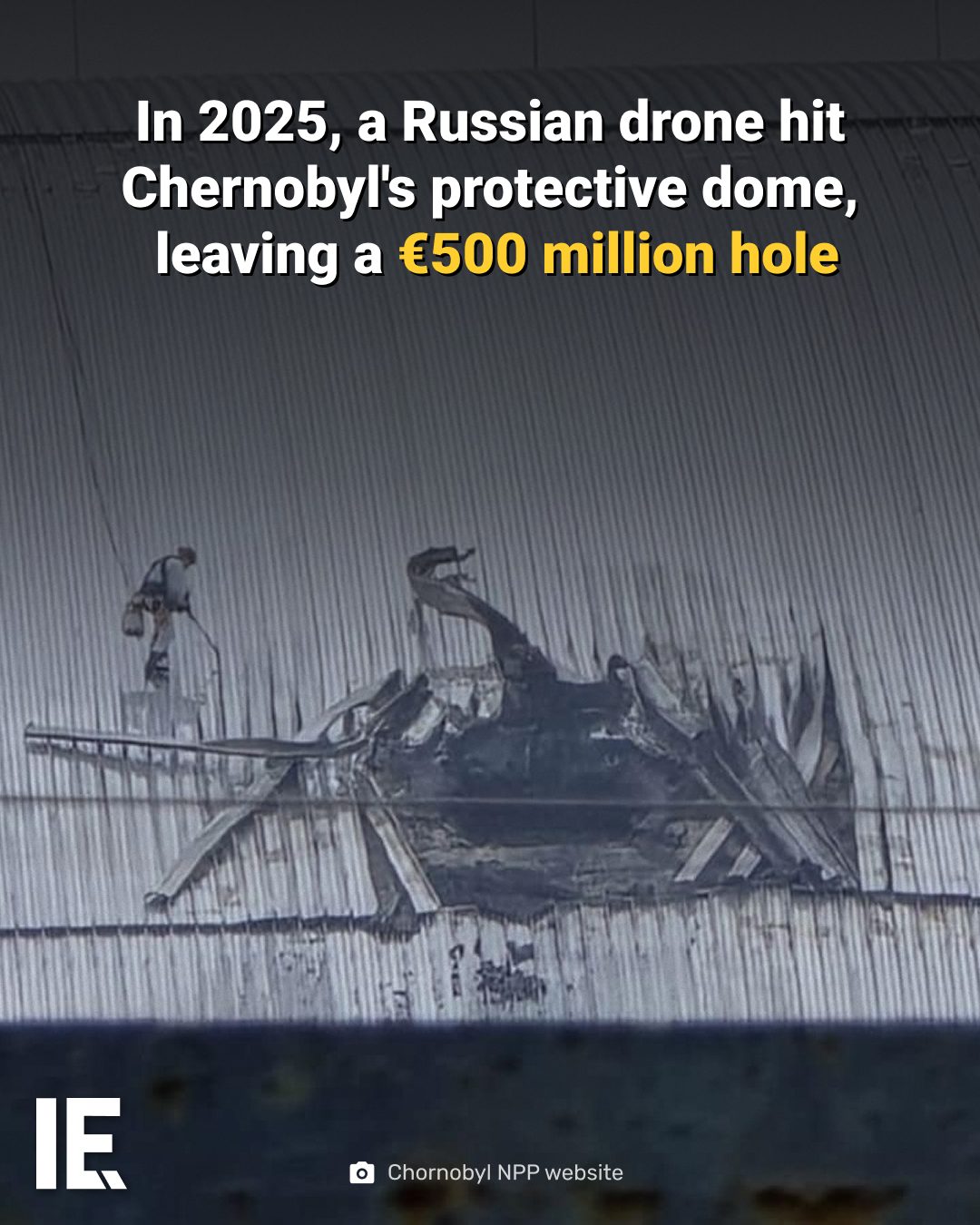
The New Safe Confinement (NSC) at Chernobyl, a 36,000-ton steel structure built to contain the radioactive remains of the 1986 nuclear disaster, faced a significant setback in February 2025. A Russian drone strike opened a 15-square-meter hole in its shell, marking a critical incident in the ongoing management of the Chernobyl nuclear site.
Context: The New Safe Confinement
The NSC is a monumental engineering feat, constructed at a cost of €1.5 billion. Completed in 2016, it was designed to last for 100 years, safeguarding the radioactive debris from the 1986 explosion. The structure's primary purpose is to ensure the safety of both the local population and the environment by containing the radioactive materials within the destroyed reactor.
The Drone Incident
In February 2025, the NSC suffered a direct hit from a Russian drone, creating a substantial hole in its protective shell. This incident not only compromised the structural integrity of the NSC but also highlighted the vulnerabilities of critical infrastructure in conflict zones. The damage is estimated to cost €500 million to repair, a significant financial burden exacerbated by the fact that no funding has been secured for these repairs.
Power Outages and Operational Challenges
Since October 2024, the Chernobyl site has experienced four complete power outages. These outages, coupled with the drone strike, have raised serious concerns about the safety and stability of the NSC. The power outages disrupt the monitoring and containment systems, increasing the risk of radiation leaks and further structural damage.
The NSC relies on a sophisticated monitoring system to detect any potential leaks or structural issues. Power outages can disable these systems, making it difficult to monitor the site's safety in real-time. This vulnerability underscores the importance of maintaining a stable power supply and implementing backup systems to ensure continuous monitoring.
Engineering and Financial Implications
The NSC was engineered to withstand various environmental and operational stresses, but the drone strike and power outages have challenged its design parameters. The €500 million repair cost, combined with the lack of secured funding, poses a significant financial challenge. Securing the necessary funds to repair the damage and prevent future incidents will be a critical priority for the site's management.
Future of Chernobyl's New Safe Confinement
The incidents at the NSC highlight the ongoing challenges in managing nuclear safety in conflict zones. The structure, designed to ensure the safety of future generations, now faces significant threats that could compromise its long-term viability. Addressing these challenges will require a multi-faceted approach, including enhanced security measures, stable power supply, and reliable funding for repairs and maintenance.
Practical Tips for Nuclear Site Management
- Enhanced Security Measures: Implement advanced surveillance and drone detection systems to protect critical infrastructure from potential threats.
- Backup Power Systems: Install reliable backup power systems to ensure continuous monitoring and operation of safety systems during power outages.
- Regular Maintenance and Inspections: Conduct regular inspections and maintenance to identify and address any structural or operational issues promptly.
- International Funding and Support: Secure international funding and support to cover the costs of repairs and maintenance, ensuring the long-term safety of the site.
Important Takeaways
The drone strike on the New Safe Confinement at Chernobyl underscores the need for robust security and operational measures to protect critical nuclear infrastructure. The incident highlights the vulnerabilities of nuclear sites in conflict zones and the importance of securing reliable funding for repairs and maintenance. As the world continues to grapple with the legacy of nuclear disasters, the lessons from Chernobyl serve as a reminder of the ongoing challenges in nuclear safety and the need for sustained global efforts to address these issues.
Conclusion
The incident at the New Safe Confinement at Chernobyl serves as a wake-up call for the global community to prioritize nuclear safety and security. As the site faces ongoing threats and operational challenges, ensuring the long-term safety of the NSC will require a concerted effort from international stakeholders to address these issues and secure the necessary resources for its maintenance and protection.
Watch the Reel
Questions readers ask
What is the New Safe Confinement (NSC) at Chernobyl and What does it do?
The New Safe Confinement (NSC) is a massive steel structure built at the Chernobyl site to contain the radioactive debris from the 1986 nuclear disaster. Completed in 2016, it was designed to be a long-term solution – safeguarding radioactive materials, preventing leaks, and protecting the local community and environment.
What happened to the NSC in 2025?
In February 2025, the NSC was struck by a drone, causing a 15-square-meter hole in its structure. This incident led to an estimated €500 million in damages, raising critical concerns about the safety and stability of the Chernobyl nuclear site.
Who was responsible for the 2025 drone strike at Chernobyl?
According to the article, the drone strike in 2025 was carried out by Russian forces. This incident has significant implications for the ongoing management and security of the Chernobyl nuclear site.
What are the primary functions of the NSC at Chernobyl?
The primary functions of the NSC are to contain and isolate the radioactive debris from the 1986 Chernobyl disaster, ensuring the safety of nearby populations and the surrounding environment. The structure also facilitates the decontamination process by controlling and monitoring the radioactive materials.
What are the latest concerns regarding the NSC’s stability?
Recent incidents, including the 2025 drone strike and power outages, have raised urgent concerns about the stability and safety of the NSC. These issues could compromise the containment of radioactive debris, posing a risk to both local populations and the environment.
How much did the construction of the NSC cost?
The construction of the NSC cost €1.5 billion. The structure was designed to last for 100 years, ensuring the long-term containment of radioactive materials and protecting the local environment and population.
Related deep dives
Similar reads based on topic and creator.


Recent articles
Fresh deep dives from the latest Reels we unpacked.




Comments
Be the first to comment.