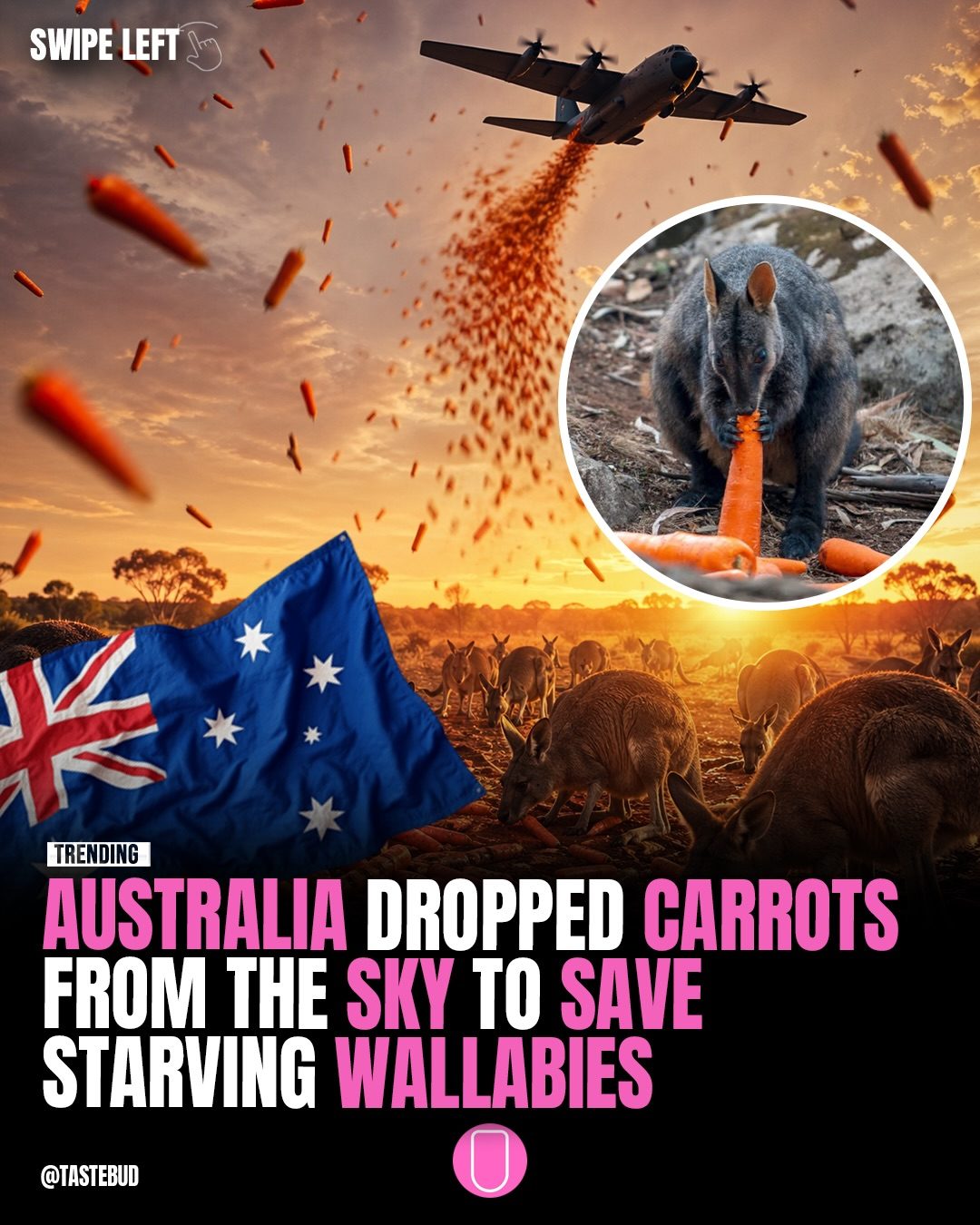
The Australian bushfires of 2020 were catastrophic, ravaging millions of acres and devastating wildlife habitats. Among the most affected were the brush-tailed rock wallabies, whose habitats were destroyed by the blazes. In response, a unique and innovative rescue effort was launched, which has since become one of the most memorable wildlife conservation stories of the crisis.
The Carrot Drop
During the 2020 Australian bushfires, officials took drastic measures to safeguard endangered wildlife. Helicopters were used to drop thousands of pounds of carrots and sweet potatoes into remote, fire-ravaged areas. This mission aimed to provide essential sustenance to the brush-tailed rock wallabies, whose natural food sources had been obliterated by the fires.
The idea of dropping carrots from helicopters might seem unconventional, but it was grounded in practicality. Carrots and sweet potatoes are nutritious, easy to transport, and can be distributed widely over affected areas. This method ensured that even the hardest-to-reach wallabies could access a much-needed food source, thereby increasing their chances of survival.
The Impact on Wildlife
The bushfires of 2020 had a profound impact on Australia's wildlife. Animals were displaced, injured, and left malnourished as their natural habitats were destroyed. The brush-tailed rock wallabies, in particular, faced significant challenges. These marsupials rely on specific vegetation for food, which was decimated by the fires.
The carrot drop was a lifeline for these animals. By providing an alternative food source, officials were able to support the wallabies' survival and recovery. This initiative not only fed the starving animals but also demonstrated the innovative thinking required to address the complex challenges posed by natural disasters.
The Mission in Action
The operation involved meticulous planning and execution. Helicopters were used to drop large quantities of carrots and sweet potatoes into areas that were inaccessible by land. The choice of vehicles was strategic, as helicopters could cover vast distances quickly and reach remote locations that ground vehicles could not.
The distribution was monitored closely to ensure that the food reached the intended areas. Teams on the ground and in the air worked together to identify where the most significant drops were needed. This coordinated effort underscored the importance of collaborative conservation strategies, especially during times of crisis.
Practical Tips for Wildlife Conservation
The carrot drop initiative offers several insights into effective wildlife conservation, particularly in the aftermath of natural disasters:
- Innovative Food Distribution: Use unconventional methods for food distribution, especially in hard-to-reach areas. Drop zones and aeroplanes or helicopters can be crucial in such scenarios.
- Rapid Response: Quick action is essential. The faster the response, the more likely it is to mitigate the impact on wildlife.
- Collaboration: Work together with local authorities, conservation groups, and volunteers to maximize the effectiveness of your efforts. Coordinated efforts improve outcomes.
- Nutritious Food: Choose food items that are nutritious and easy to distribute. Carrots and sweet potatoes are excellent choices due to their nutritional value and ease of transportation.
Important Takeaways
The 2020 carrot drop in Australia serves as a reminder of the innovative and collaborative approaches needed to protect wildlife in the face of natural disasters. The initiative highlighted the importance of quick, efficient, and effective responses to wildlife crises. It also underscored the significance of using creative methods to reach animals in need, even in the most challenging circumstances.
Conclusion
The carrot drop for wallabies during the 2020 Australian bushfires was a remarkable example of human ingenuity and dedication to wildlife conservation. By dropping thousands of pounds of carrots and sweet potatoes from helicopters, officials provided a lifeline to starving brush-tailed rock wallabies. This effort not only saved lives but also demonstrated the power of innovation and collaboration in wildlife rescue.
Future conservation efforts can learn from this initiative, emphasizing the importance of rapid response, unconventional food distribution, and collaborative strategies. As we continue to face environmental challenges, such innovative approaches will be crucial in protecting and preserving our planet's wildlife.
Watch the Reel
Questions readers ask
Why were carrots and sweet potatoes chosen to feed the wallabies during the 2020 Australia bushfires?
Carrots and sweet potatoes were selected because they are high in nutrients and moisture, making them an ideal food source for wallabies in a crisis. These vegetables are also easy to handle and distribute via helicopters. Additionally, they are less likely to attract other unwanted animals into the area, ensuring that the food goes directly to the intended beneficiaries, the wallabies.
How did officials determine the locations for the carrot drops?
The sites for the carrot drops were carefully chosen to be in areas where the wallabies were known to inhabit, or where their presence was likely. Experts used their knowledge of the wallabies' behavior, movement patterns, and habitat preferences. They also considered the areas most affected by the bushfires to ensure the food was delivered to where it was most needed.
What challenges did the rescue mission face when dropping food from helicopters?
One of the primary challenges was ensuring the food drops were precise and that the carrots and sweet potatoes didn't land in inaccessible places. The terrain in the affected areas was often rugged and difficult to navigate. Additionally, the helicopters needed to operate in smoky conditions, which could be dangerous for the pilots. Coordinating the effort with other rescue operations and wildlife protection teams was also crucial for the mission’s success.
How effective was the carrot drop in supporting the wallaby population?
The carrot drop played a crucial role in providing essential sustenance to the brush-tailed rock wallabies during a critical period. By supplementing their diet, the food drops helped prevent starvation and aided in the recovery of the wallaby population. The mission provided a lifeline for these animals during a time when their natural food sources were decimated, contributing to their survival and eventual recovery.
Were any other animals helped by the carrot drops, or were the wallabies the primary focus?
The carrot drops were specifically targeted at the brush-tailed rock wallabies, as they were the primary focus of this rescue mission. However, other animals in the vicinity may have also benefited from the food drops, but the main goal was to ensure the survival of the endangered wallabies. The chosen food items were selected to be most beneficial to the wallabies.
Who was involved in coordinating the carrot drop and how was it executed?
The carrot drop was a collaborative effort involving local wildlife authorities, helicopter pilots, and volunteers. These teams worked together to identify the most affected areas, coordinate the helicopter flights, and prepare the food for distribution. The operation was carefully planned and executed to ensure it reached the intended wallaby populations effectively.
Related deep dives
Similar reads based on topic and creator.


Recent articles
Fresh deep dives from the latest Reels we unpacked.




Comments
Be the first to comment.