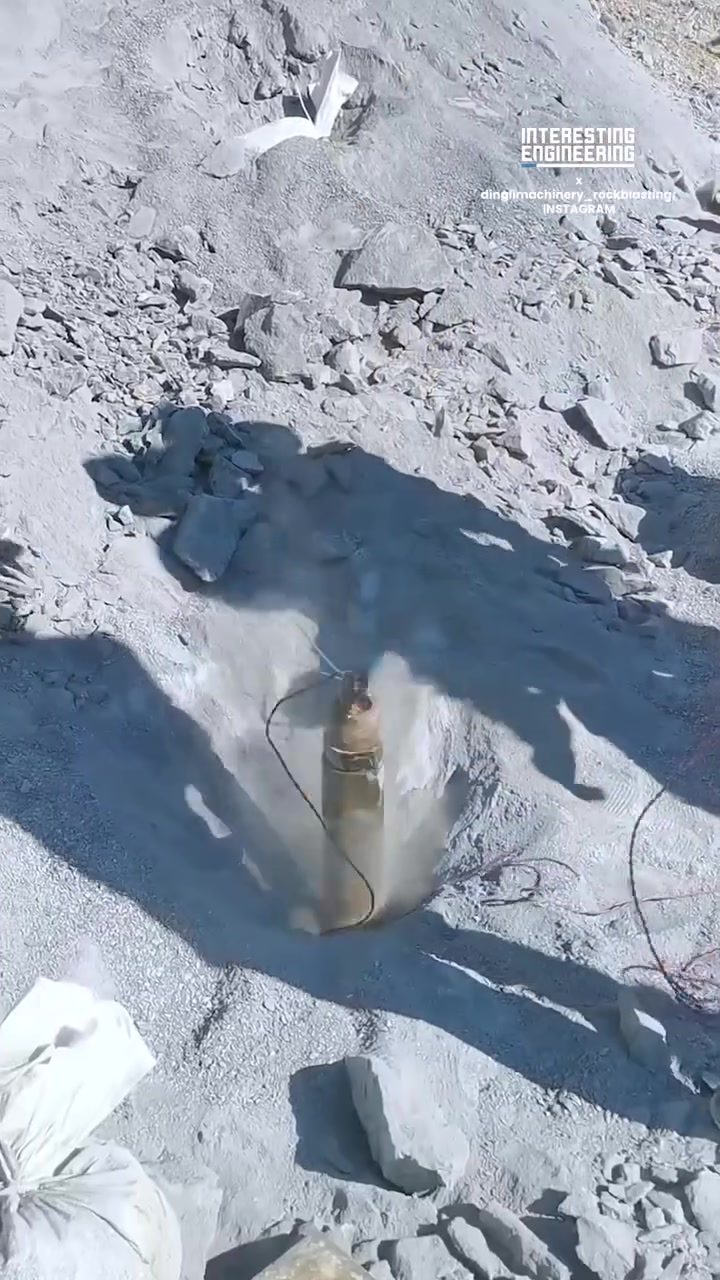
Carbon dioxide rock breaking systems are revolutionizing the excavation and mining industries by providing a safer alternative to traditional explosive techniques. Instead of using conventional explosives, these systems utilize carbon dioxide to break apart rock formations, reducing the risk of injury and environmental impact. Let's explore this innovative approach and its implications for construction and mining projects.
Context
When it comes to rock excavation, traditional methods often involve the use of explosives to fragment and displace rock. These methods, while effective, come with significant risks, including shock waves, flying debris, and potential environmental damage. These issues can lead to injuries, property damage, and increased regulatory scrutiny. Engineers and mining professionals have long sought safer and more controlled techniques, leading to the development of carbon dioxide rock breaking systems. This innovation aims to mitigate the hazards associated with traditional explosive methods, offering a cleaner and more environmentally friendly solution.
Main Discussion
What is Carbon Dioxide Rock Breaking?
Carbon dioxide rock breaking systems use high-pressure carbon dioxide to fracture rock formations. The process involves injecting compressed carbon dioxide into pre-drilled holes within the rock. The sudden release of pressure causes the rock to implode, creating smaller, more manageable fragments. This method avoids the shock waves and flying debris commonly associated with traditional explosives, resulting in a safer working environment.
How Does it Work?
The carbon dioxide gas rock breaking system operates through a series of controlled steps:
- Drilling: Pre-drilled holes are made into the rock formation to be excavated. These holes serve as the entry points for the carbon dioxide.
- Injection: High-pressure carbon dioxide is injected into the drill holes. The gas rapidly expands and fills the pores and cracks within the rock.
- Implosion: As the carbon dioxide expands, it exerts immense pressure on the rock, causing it to fracture and implode. This process creates smaller, more manageable rock fragments.
- Cleanup: The fractured rock is then cleared away, leaving behind a more stable and safer excavation site.
Benefits of Carbon Dioxide Rock Breaking
Using carbon dioxide for rock breaking offers several advantages over traditional explosive methods:
- Safety: The absence of shock waves and flying debris significantly reduces the risk of injury to workers and damage to surrounding infrastructure.
- Environmental Impact: Carbon dioxide is a naturally occurring gas and does not leave behind harmful residues or pollutants, making it a more environmentally friendly option.
- Precision: The controlled nature of the process allows for more precise excavation, which is particularly beneficial in areas requiring careful handling, such as near urban developments or sensitive ecological zones.
- Efficiency: Although the initial setup may be more complex, the process can be completed more quickly once the system is in place, reducing overall project timelines.
Common Applications
Mining
In mining operations, carbon dioxide rock breaking systems are particularly useful in underground or surface mining, where safety and environmental concerns are paramount. By reducing the risk of cave-ins, accidents, and environmental impact, these systems enhance both the efficiency and safety of mining operations.
Construction
Carbon dioxide rock breaking is also beneficial in construction projects that involve excavation and rock removal. Whether it's clearing land for new buildings, roads, or tunnels, this method offers a safer and more controlled alternative to traditional blasting techniques.
Practical Tips
Implementing a carbon dioxide rock breaking system requires careful planning and execution. Here are some practical tips to ensure successful implementation:
Equipment and Preparation
- High-Pressure Equipment: Invest in high-quality, reliable equipment capable of delivering the necessary pressure and flow rate for effective rock fracturing.
- Training: Ensure that all personnel are thoroughly trained in the use of the carbon dioxide system and understand the safety protocols involved.
- Safety Gear: Equip workers with appropriate safety gear, including protective clothing and ear protection, to minimize the risk of injury.
Site Assessment
- Geological Survey: Conduct a thorough geological survey to understand the rock formation's properties and potential weaknesses. This information will help in determining the optimal drilling points and pressure levels.
- Environmental Considerations: Assess the environmental impact and ensure that the project complies with local regulations and standards.
Monitoring and Maintenance
- Real-Time Monitoring: Implement real-time monitoring systems to track pressure, gas flow, and rock fragmentation. This helps in making immediate adjustments and ensuring the process runs smoothly.
- Regular Maintenance: Regularly maintain the equipment to prevent malfunctions and ensure consistent performance.
Important Takeaways
Using carbon dioxide gas for rock breaking represents a significant advancement in excavation and mining techniques. Compared to traditional explosives, these systems offer enhanced safety, reduced environmental impact, and greater precision. By carefully planning and executing the process, companies can achieve more efficient and safer rock excavation, benefiting both workers and the environment.
Safety and Efficiency
The safety benefits of carbon dioxide rock breaking systems are undeniable. The absence of flying debris and shock waves makes it a safer option for workers and nearby communities. Additionally, the precision of the process allows for more controlled and efficient excavation, reducing the need for extensive cleanup and minimizing the overall environmental footprint.
Environmental Considerations
Carbon dioxide rock breaking is a more environmentally friendly alternative to traditional blasting methods. The use of a naturally occurring gas minimizes the risk of pollution and harmful residues, contributing to a more sustainable approach to mining and construction.
Future Prospects
As the technology continues to evolve, the use of carbon dioxide rock breaking systems is likely to become more widespread. Ongoing research and development efforts are focused on improving the efficiency and effectiveness of these systems, making them an even more attractive option for excavation and mining projects.
Conclusion
Carbon dioxide rock breaking systems offer a revolutionary approach to rock excavation, providing a safer and more efficient alternative to traditional explosive methods. By leveraging the power of compressed carbon dioxide, excavators and miners can achieve more precise and controlled rock fragmentation, reducing the risk of injury and environmental damage. As the technology continues to advance, it's clear that carbon dioxide rock breaking will play an increasingly important role in the future of excavation and mining.
Watch the Reel
Questions readers ask
How does carbon dioxide rock blasting work?
Carbon dioxide rock blasting, also known as carbon dioxide rock breaking, involves injecting high-pressure carbon dioxide into small holes drilled into the rock. The rapid expansion of the gas creates internal pressure, which causes the rock to fracture and break apart, eliminating the need for explosives.
What are the advantages of using carbon dioxide for rock excavation?
Carbon dioxide rock blasting is safer due to the absence of shock waves and flying debris. It is also more environmentally friendly, as it reduces the risk of contamination and damage to the surrounding area. Additionally, it minimizes the regulatory hurdles often associated with the use of explosives.
How does the environmental impact of carbon dioxide blasting compare to traditional explosive methods?
Carbon dioxide rock blasting significantly reduces environmental impact by eliminating the release of harmful chemicals and pollutants associated with traditional explosives. It also minimizes disturbances to local ecosystems, as the process generates less noise and vibration, and it produces no toxic byproducts.
Can carbon dioxide rock blasting be used in all mining and excavation projects?
Carbon dioxide rock blasting is suitable for a wide range of mining and excavation projects. However, its effectiveness can depend on the type and hardness of the rock. It is particularly effective in situations where precise control and minimal environmental impact are required, making it an excellent choice for projects in environmentally sensitive areas.
What safety benefits does carbon dioxide rock blasting offer over traditional explosives?
Carbon dioxide rock blasting offers enhanced safety by eliminating the risk of shock waves and flying debris, which are common hazards with traditional explosives. This method reduces the potential for injury to workers and damage to nearby structures, making it a safer alternative for excavation and mining operations.
How does the cost of carbon dioxide rock blasting compare to traditional explosive methods?
The initial cost of carbon dioxide rock blasting can be higher due to the specialized equipment and technology required. However, the long-term benefits, such as reduced regulatory compliance costs, lower environmental remediation expenses, and improved worker safety, often outweigh the upfront investment, making it a cost-effective solution in the long run.
Related deep dives
Similar reads based on topic and creator.


Recent articles
Fresh deep dives from the latest Reels we unpacked.




Comments
Be the first to comment.