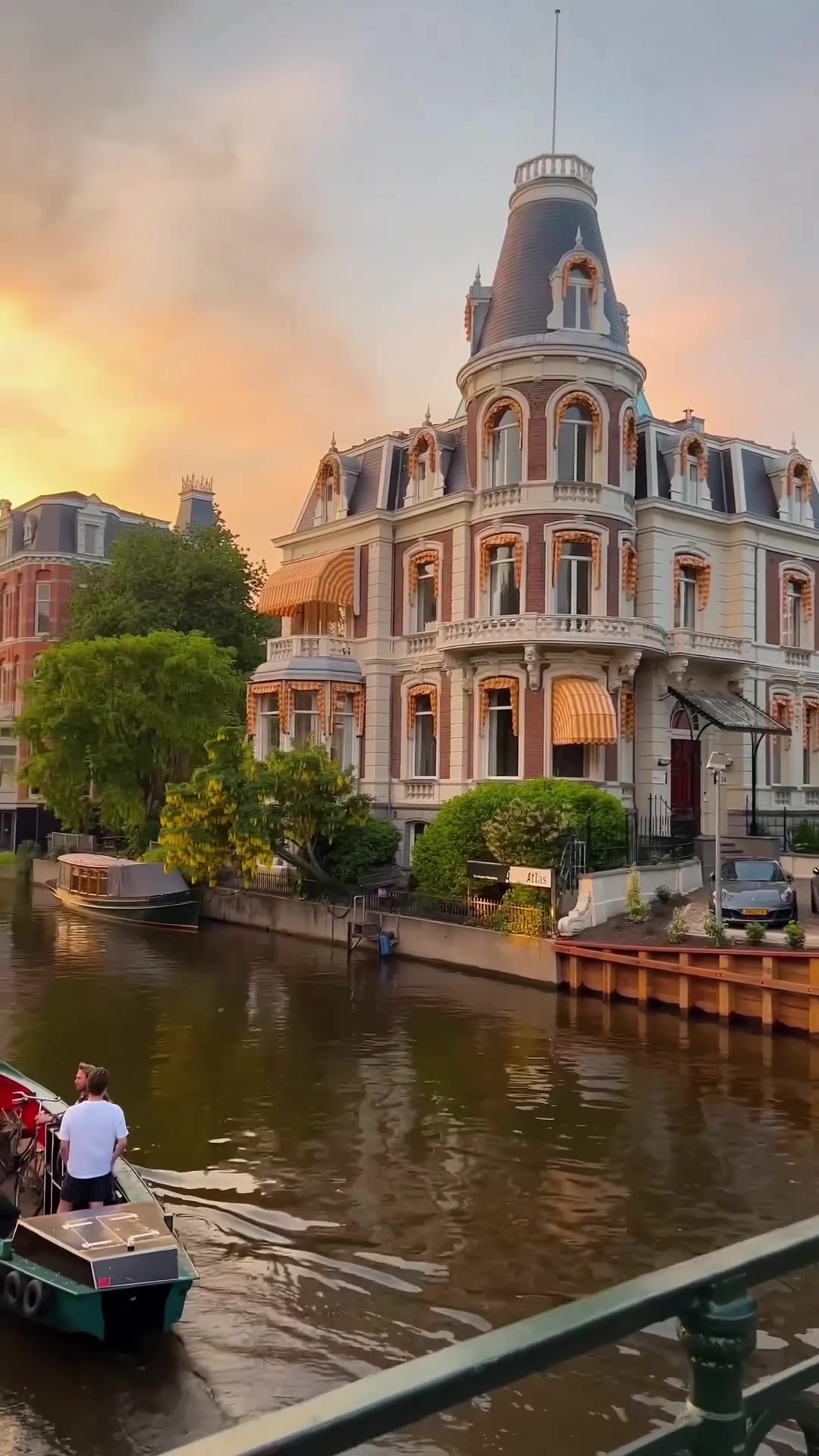
The on-screen text reads "Atlas." That phrase, with two letters cut from the frame, identifies a floating destination within a scene of flowing water in Amsterdam.
What is a Canal Houseboat
A canal houseboat, for centuries, draws from the European urban tradition of repurposing waterways for easy pedestrian navigation. The houseboat is a floating residence that can be found on Amsterdam's waterways and are as much a part of the city's identity as tulips and windmills. A canal houseboat is a floating home, docked on the water, turning the waterway into a residential hub. The houseboats are known for their rich history and unique architectural style. However, not all houseboats have "Atlas" written on them. In Amsterdam, houseboats come in all shapes and sizes. They range from modest, modestly priced, and cozy residences to luxurious palaces floating on the canals. Some are narrow and long, fitting perfectly into the canal's narrow dimensions. Others are wider and more spacious, offering breathtaking views of the surrounding city. Houseboats' interiors often reveal a unique blend of rustic charm and modern comforts, Houseboats come with as many different interior designs as there are houseboats. The interiors of houseboats are as varied and unique as the people who live on them. Some houseboats have exposed wooden beams, large windows, and cozy nooks, while others have sleek, minimalist designs with modern furnishings. The houseboat experience encapsulates living in a city while closely being surrounded by the water. The moving boat provides a sense of tranquility and connection to nature, despite being in the heart of a bustling metropolis. However, the humble houseboat is a struggling citizen of city life; a luxury niche that is defined by a classic traveler lifestyle, which is a peaceful way to live.
Houseboats are the original tiny home – Amsterdammers are re-discovering them
In Amsterdam, houseboats reflect the city's rich cultural heritage and tradition, the city's history of water transportation and trade. The city’s canal system, a UNESCO World Heritage site, is iconic for its maritime beauty and history. Houseboats, occupied on Amsterdam’s canals since the 17th century, have received more than a modern-day nostalgia makeover; they are a new residential trend. More Amsterdammers are seeking rotating residences, preferring the floating lifestyle over traditional housing. The pandemic played a crucial role in making houseboats socially visible again. During lockdowns, many new houseboat residents found peace in living on the water. The pandemic, however, made houseboats popular especially with their self-sufficiency in handling water resources. Houseboats are also an affordable alternative to traditional housing in a city where real estate prices are soaring. The European ultra-hot-property markets made the affordability of houseboats quite attractive. Not only that, the floating lifestyle offers a unique way of living, close to nature and the water, while still being in the heart of the city. In 2012, the city opened the River Apartments in the southern part of Amsterdam. There are 84 luxuriously equipped apartments available on the water, allowing residents to live at street level. Another notable mention of houseboat complexes is Bijlmer Plein, which offers 106 floating homes. Located in the heart of the city in the Amsterdam-South, the complex is a perfect blend of modern architecture and natural surroundings.
The Distinctive Faces of Amsterdam Houseboats
Amsterdam's Upper Houseboats
Upper houseboats are typically narrow and elongated, designed to fit the dimensions of Amsterdam's canals. One commonly known upper houseboat is designed like a ‘boat’ or a ‘flatboat.’ Nevertheless, a very interesting houseboat has a pyramid-shaped roof. These houseboats are known for their distinctive architecture, often featuring a high, narrow profile that allows them to fit within the narrow confines of the canal. The compact size of upper houseboats makes them an affordable option in the city. For upper houseboats, their size ranges between 10-23 metres in length and 3-5 metres in width. One key feature of upper houseboats is their floating lounge area. The lounge area is often the most spacious part of the houseboat, providing ample room for entertaining guests and enjoying the scenic view of the canal.
- Space restrictions: The compact design of upper houseboats means that living on them requires adaptation to a minimalist lifestyle, often necessitating creative use of space and storage solutions, making them ideal for people looking for cozy, simplified living.
- Lower environmental impact: Upper houseboats are generally more environmentally friendly than traditional housing, as they typically have a smaller footprint and can be designed to be energy-efficient.
- Typical Features: These houseboats often have a retractable roof on the top to allow outdoor access.
The Sideways Houseboats
Sideways houseboats boast a broader and shorter design making them less available. Sideways houseboats are typically wider and shorter, offering a more spacious living area, with a wider beam, thus making them roomier. This design allows for more living space and often includes a balcony or deck area, providing a more expansive living area. Their designs often include multiple decks, balcony and windows, allowing natural lighting. They feature balconies and decks that provide a broader space for lounging and entertaining.
The Gadgetry of Houseboats
While traditional houseboats adhere to classic boat aesthetics, modern houseboats are equipped with advanced features. Living in a houseboat involves adapting to a unique set of challenges. These include:
- Water management: Houseboats need to manage their water supply carefully, including rainwater, storage and waste. This involves collecting, and disposing properly, maintaining a proper sanitation system.
- Electrical systems: Electrical systems are more complex and vulnerable to water damage. Proper maintenance is essential to ensure the safety and functionality of the electrical systems.
- Plumbing: Toilets and showers require a specific kind of plumbing and are even completely off-grid in some cases. Proper installation and maintenance are crucial to prevent leaks and other plumbing issues.
- Heating and cooling: Since houseboats are directly exposed to the elements, maintaining a comfortable temperature can be challenging. Many houseboats use electric heaters or wood-burning stoves for heating, while others rely on solar power or other renewable energy sources.
The Healing Cathedral
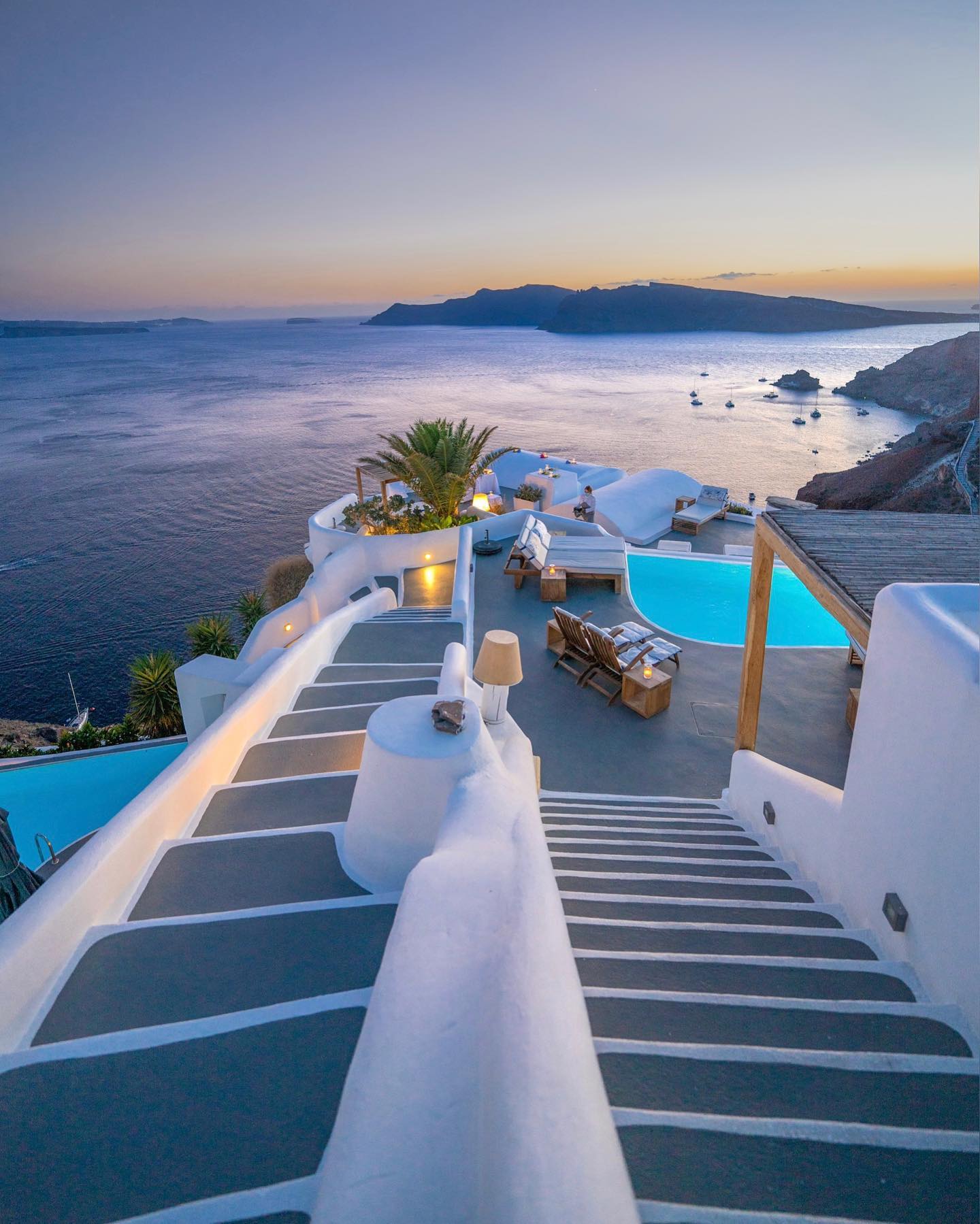
The scene was bathed in either a sunrise or sunset. This makes the scenes picturesque and serene. The boat ride, with its soft ripples against the water, amplifies the peaceful atmosphere. The ripples created by the boat moving through the calm water add an extra layer of tranquility. The water's gentle movement mirrors the boat, creating a soothing, rhythmic effect. The serene ambiance and the tranquil setting are a testament to the healing benefits of spending time in nature, surrounded by water and natural sounds.
The Choice of Tranquility
Living on a houseboat is a unique choice, often driven by a desire for a tranquil, close-to-nature lifestyle. The benefits of living in a houseboat outweigh the stress of living in an apartment. Houseboat residences benefit from being immersed in natural light, low stress, and a harmonious living environment. For residents looking for a unique living experience, living on a canal houseboat offers a peaceful and beautiful way of life. The serene atmosphere and natural beauty of the canals provide a relaxing and rejuvenating environment, away from the hustle and bustle of the city. In addition to being a great home for the soul, staying in a houseboat can be a great idea for a vacation.
Atlantis
Houseboats' popularity can be attributed to various factors, including their sustainability and the appeal of living close to nature. However, managing houseboats involves a set of unique challenges, including maintaining the boat's structure, managing water and electrical systems, and adhering to local regulations. Houseboats combine simplicity with modern amenities, providing a unique floating lifestyle.
Metro-Metamorphosis
Many residents on houseboats often opt for eco-friendly living. Installing solar panels, or using composting toilets and rainwater harvesting systems, can help reduce the environmental impact, while also benefiting the owners. Living in a houseboat is more than simply a way of living – it’s a transformative experience for those who seek a closer relationship with nature. The gentle sway of the water and soothing sounds of nature create a serene and calming atmosphere. The beauty of the canal, the grandeur of the building, the tranquillity of the water — all amalgamated to create a sense of harmony.
Watch the Reel
Questions readers ask
What does the phrase 'Atlas' on a canal houseboat signify?
The phrase 'Atlas' on a canal houseboat is not a universal identifier for all houseboats. It appears to be specific to a particular houseboat or a floating destination within the Amsterdam canal system. It is not indicative of any specific feature or function of the houseboat.
How do canal houseboats contribute to Amsterdam's identity?
Canal houseboats are an integral part of Amsterdam's identity, much like tulips and windmills. They reflect the city's rich history of water transportation and trade, and their unique architectural style adds to the city's charm. They are also a testament to the city's innovative use of waterways for residential purposes.
What are the different types of canal houseboats available in Amsterdam?
Amsterdam's canal houseboats come in a variety of sizes and styles. Some are narrow and long, fitting snugly into the canal's dimensions, while others are wider and more spacious, offering expansive views of the city. The interiors range from rustic and cozy to sleek and modern, catering to different preferences and lifestyles.
How do houseboats offer a unique living experience in Amsterdam?
Living on a canal houseboat in Amsterdam provides a unique blend of urban living and tranquil water views. Despite being in the heart of a bustling city, residents enjoy a sense of tranquility and connection to nature. The experience encapsulates peaceful living while being surrounded by water. The houseboat lifestyle is a peaceful way to live, but it is also a niche luxury that reflects a classic traveler lifestyle.
What role did the pandemic play in the resurgence of canal houseboats?
The pandemic played a significant role in making canal houseboats socially visible again. During lockdowns, many new houseboat residents found peace in living on the water. The pandemic highlighted the self-sufficiency of houseboats in handling water resources, making them an attractive option for those seeking an alternative to traditional housing.
Are canal houseboats a more affordable housing option in Amsterdam?
Yes, canal houseboats can be a more affordable alternative to traditional housing in Amsterdam, where real estate prices are soaring. They offer a unique way of living close to nature and the water while still being in the heart of the city. The affordability of houseboats, compared to other housing options, has made them quite attractive in the European ultra-hot-property markets.
What are the River Apartments, and how do they relate to canal houseboats?
The River Apartments are a development in the southern part of Amsterdam that opened in 2012. They consist of 84 luxuriously equipped apartments. While they are not houseboats per se, they offer a similar floating lifestyle experience, adding to the trend of floating residences in the city. This development reflects the growing interest in water-based living in Amsterdam.
Related deep dives
Similar reads based on topic and creator.



Recent articles
Fresh deep dives from the latest Reels we unpacked.

Comments
Be the first to comment.