Goats and Sheep Grazing
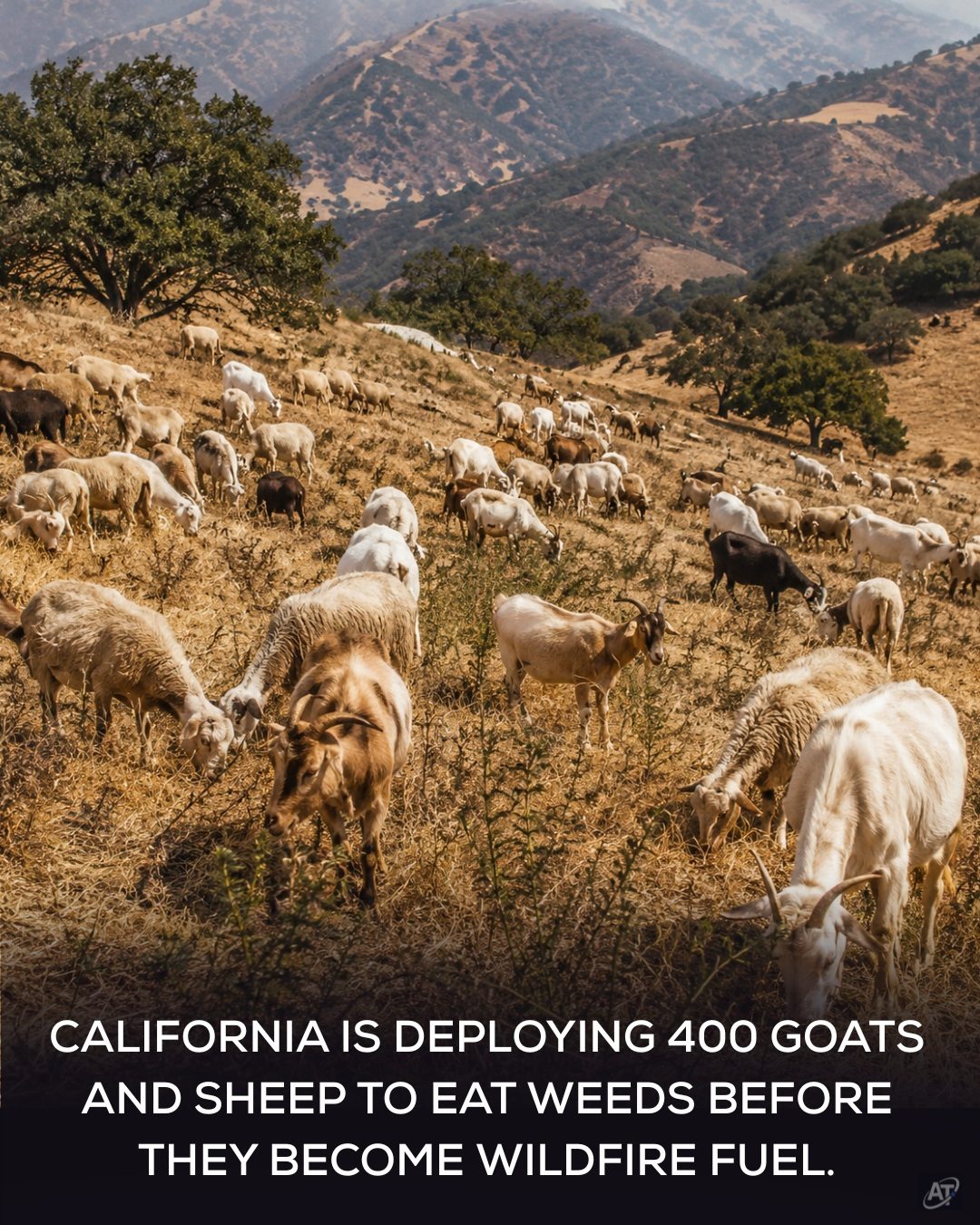
In the battle against wildfires, California has turned to an unlikely ally: a hungry herd of goats and sheep. In northeast Fresno, over 400 of these animals have been deployed to graze on approximately 180 acres of land near Woodward Park. This initiative, part of a habitat restoration project led by the Sierra Resource Conservation District and the City of Fresno, aims to tackle a significant problem: the invasive yellow star-thistle.
Yellow star-thistle, an invasive and spiny weed, poses a serious threat to the landscape. It outcompetes native plants and can become highly flammable during the dry summer months, exacerbating the risk of wildfires. This is where the goats and sheep come in.
Why this Matters
Wildfires are a persistent and growing threat in California, and traditional methods of prevention often come with significant costs and environmental impacts. Heavy machinery and other technological solutions can be expensive and disruptive to local ecosystems. A herd of goats and sheep, however, offers a natural, cost-effective, and environmentally friendly approach.
By deploying these animals, the project not only helps to reduce the risk of wildfires but also supports habitat restoration. This approach can thin out dangerous fuel, protect nearby communities, and create space for native grasses, shrubs, and trees to return. The benefits of this targeted grazing extend beyond immediate fire prevention, contributing to long-term ecological health.
The Role of Goats and Sheep
Natural Grazers
Goats and sheep are natural grazers, capable of moving across rough terrain and eating through dense vegetation. This makes them ideal for tackling invasive weeds like yellow star-thistle, which can be difficult for humans and machines to access. Their feeding habits can significantly reduce the amount of dry brush that can fuel wildfires, making them an effective tool in preventing the spread of fires.
Targeted Grazing
One of the key benefits of using goats and sheep is their ability to target specific invasive plants. Yellow star-thistle, with its spiny flowers and seeds, is a particular challenge. However, goats and sheep have been observed to eat these flowers and seeds, which is crucial. By consuming the seeds, the animals help reduce the next generation of invasive plants, preventing the spread of the weed over time.
Environmental Benefits
This natural method of vegetation control has numerous environmental benefits. It reduces the need for heavy machinery, which can disrupt the soil and harm local ecosystems. Additionally, by promoting the growth of native plants, the project helps restore the natural balance of the landscape, making it more resilient to future threats.
Practical Tips for Using Grazing Animals
While the project in Fresno is a large-scale initiative, similar principles can be applied on a smaller scale. Here are some practical tips for using grazing animals to manage invasive weeds and reduce wildfire risk:
Choose the Right Animals
Goats and sheep are particularly effective because of their ability to navigate rough terrain and eat a wide variety of plants. However, other grazing animals like cattle or even smaller herbivores can be used depending on the specific needs of the project.
Plan the Grazing Strategy
Careful planning is essential. Determine the specific areas where invasive weeds are a problem and plan the grazing schedule accordingly. This might involve rotating the animals through different areas to ensure thorough coverage.
Monitor Progress
Regularly monitor the progress of the grazing animals to ensure they are effectively controlling the invasive weeds. This might involve checking the areas for signs of regrowth or shifts in the plant population.
Important Takeaways
Using grazing animals to control invasive weeds and reduce wildfire risk is a practical and environmentally friendly approach. This method not only helps to prevent fires but also supports habitat restoration, making the landscape more resilient.
Community Involvement
Engaging the local community is crucial. The project in Fresno involves the Sierra Resource Conservation District and the City of Fresno, which helps ensure that the initiative is well-supported and effectively implemented. Community involvement can also help monitor the progress and ensure the long-term success of the project.
Long-Term Benefits
While grazing animals are not a magic shield against wildfires, they can significantly reduce the risk by controlling invasive weeds and promoting the growth of native plants. This long-term approach contributes to the overall health and resilience of the landscape, protecting communities and preserving natural habitats.
Conclusion
In the battle against wildfires, California's use of goats and sheep in northeast Fresno serves as a unique and effective strategy. By harnessing the natural grazing habits of these animals, the project aims to reduce the risk of wildfires and support habitat restoration. This approach not only offers immediate benefits in thinning wildfire fuel but also contributes to the long-term health and resilience of the landscape. As wildfires continue to pose a threat, innovative and sustainable solutions like this will be essential in protecting communities and preserving natural habitats.
Watch the Reel
Questions readers ask
How do goats and sheep help in wildfire prevention?
Goats and sheep assist in wildfire prevention by grazing on invasive, dry vegetation that can fuel wildfires. Their appetites for plants like the yellow star-thistle help reduce the amount of flammable material on the landscape, lowering the risk of fires spreading quickly and uncontrollably.
What specific invasive plant are the goats and sheep targeting in Fresno?
In Fresno, the goats and sheep are primarily targeting the yellow star-thistle, an invasive and spiny weed that outcompetes native plants and becomes highly flammable during dry summer months. By grazing on this plant, they help to control its spread and reduce fire risk.
Why is grazing an eco-friendly method for wildfire prevention?
Grazing by goats and sheep is an eco-friendly method because it reduces the need for mechanical clearing or chemical treatments, which can disturb the ecosystem. These animals naturally select and consume the invasive plants that pose the highest wildfire risk, promoting habitat restoration in the process.
How many animals are involved in California's wildfire prevention grazing program?
In one of the initiatives in California, over 400 goats and sheep have been deployed to graze on approximately 180 acres of land near Woodward Park in Fresno. This large number of animals helps to cover extensive areas effectively, aiding in significant vegetation control.
What are the benefits of using animals for fire risk reduction compared to traditional methods?
Using animals for fire risk reduction offers several benefits, including cost-effectiveness and minimal ecological disturbance. Unlike mechanical or chemical treatments, grazing animals selectively target invasive plants, leaving native vegetation largely undisturbed, and promoting a more balanced ecosystem.
What is the role of the Sierra Resource Conservation District in this initiative?
The Sierra Resource Conservation District is a key participant in this initiative, leading the habitat restoration project alongside the City of Fresno. Their involvement ensures that the grazing program is strategically implemented to maximize the benefits of the goats and sheep in reducing wildfire risk and promoting ecological balance.
What happens to the goats and sheep after they have completed their grazing task?
After completing their grazing task, the goats and sheep are typically moved to another area where their services are needed. This rotational grazing approach helps to maintain the health of the land and ensures that the animals have a continuous supply of vegetation to feed on, supporting both the wildfire prevention goals and the well-being of the animals.
Related deep dives
Similar reads based on topic and creator.


Recent articles
Fresh deep dives from the latest Reels we unpacked.




Comments
Be the first to comment.