The Contribution of Kelvin Waves
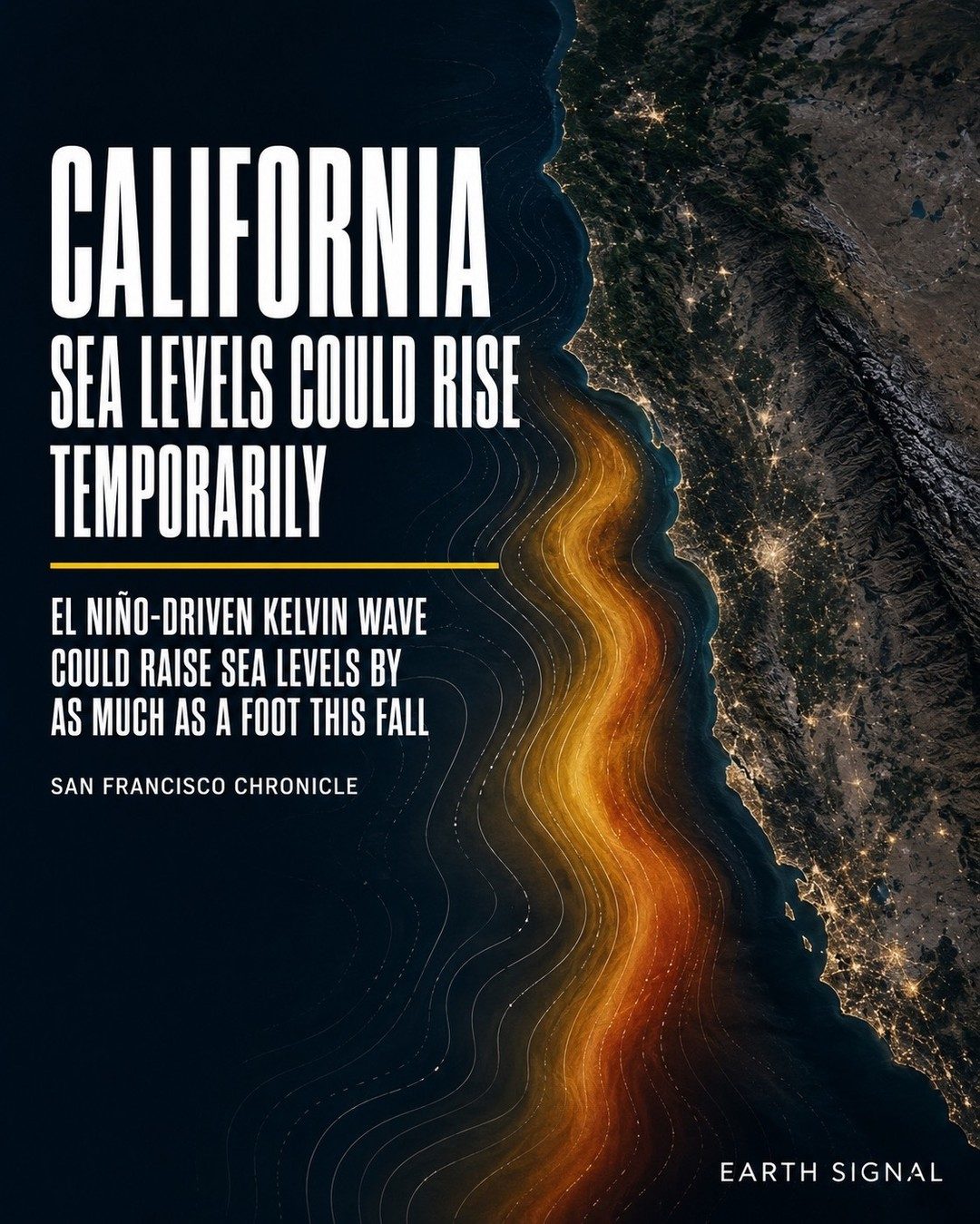
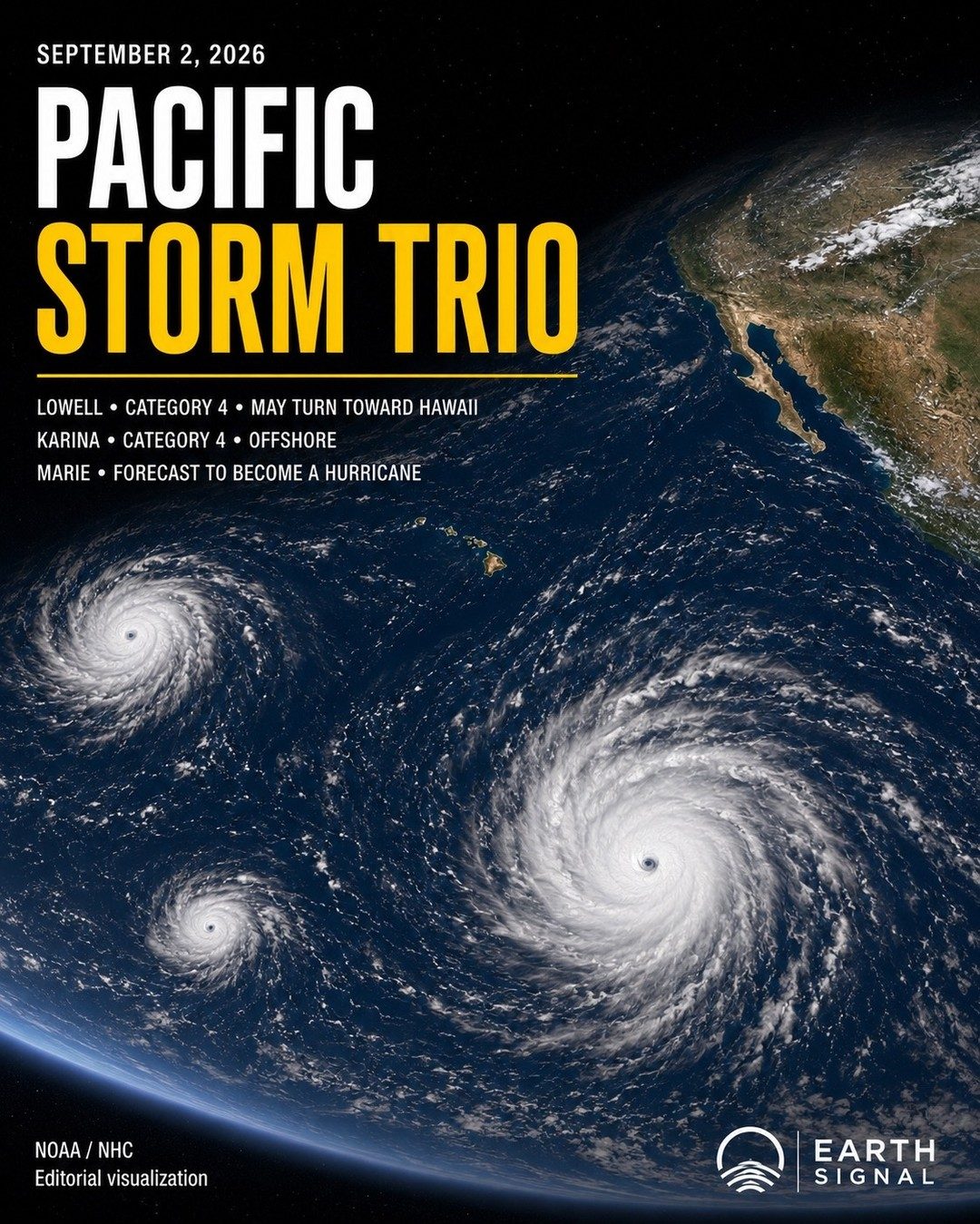
California's coast faces a complex interplay of environmental factors, chief among them being Kelvin waves. The clip from a graphic visualization, sourced from Earth Signal, refers to these oceanic phenomena specifically. Kelvin waves are large-scale, low-frequency oscillations that propagate along coastlines. They can cause temporary but significant fluctuations in sea level. Scientists believe that El Niño events could enhance the intensity of Kelvin waves, resulting in higher sea levels and increased coastal flooding risks. During El Niño, the warm phase of the El Niño-Southern Oscillation (ENSO), sea surface temperatures in the Pacific Ocean rise. This warmth can amplify Kelvin waves, causing sea levels to surge by as much as a foot this fall in California. The San Francisco Chronicle aptly describes this phenomenon as part of a broader climatic interplay. The key mechanism involves the redistribution of ocean water. Kelvin waves travel along the equator and then up the coast, transporting warm water from the central Pacific. The Earth Signal visualization depicts a wave-like pattern along the California coastline, illustrating the potential impact of Kelvin waves on sea levels.
Historical Context of Sea Level Rise
California is no stranger to sea-level fluctuations. Over the past century, sea levels have risen at an average rate of about 0.1 to 0.2 inches per year. This slow but steady increase is largely attributed to global warming. Since Kelvin Waves are a recent phenomenon studied in comparison to rising sea levels. Kelvin waves, driven by El Niño, exacerbate this trend, making California particularly vulnerable. The graphical visualization emphasizes the urgency of this issue, as Kelvin waves amplify the already increasing sea levels. This added pressure on coastal infrastructure and ecosystems is of great concern. Communication and awareness are vital in mitigating the risks posed by these environmental factors. The San Francisco Chronicle and Earth Signal’s data, which underscore the potential for sea levels to rise by a foot this fall, offer a stark reminder of the climatic shifts underway. The potential impact on coastal communities cannot be overstated, as rising sea levels can lead to devastating consequences, including flooding, erosion, and saltwater intrusion into freshwater supplies.
The Science Behind El Niño and Kelvin Waves
El Niño, known for its global climatic impact, influences Kelvin and Rossby Waves. During an El Niño event, the Eastern Pacific experiences significant warming. This warming extends to the ocean surface and depths, which in turn affects atmospheric and oceanic currents. Sea levels in California could rise due to Kelvin waves preceding and caused by El Niño. Kelvin waves are long gravity waves, a type of planetary wave, that move along the coasts and equator. They travel eastward along the equator and then northwards up the coastline, causing transient fluctuations in sea levels. These fluctuations can reach up to a foot this fall, as cited by Earth Signal.
Preparing for the Worst
The prospect of rising sea levels in California warrants immediate action. The San Francisco Chronicle’s report underscores the urgency of adapting to these climatic changes. Local communities must prioritize infrastructure resilience and preparedness. Coastal defenses, early warning systems, and community education are crucial. A proactive approach is needed to safeguard lives, properties, and the environment. Californian communities must stay informed and vigilant. As the El Niño-driven Kelvin waves approach, understanding their impacts and potential risks enables better preparedness.
Watch the Reel
Related deep dives
Similar reads based on topic and creator.




Recent articles
Fresh deep dives from the latest Reels we unpacked.
Comments
Be the first to comment.