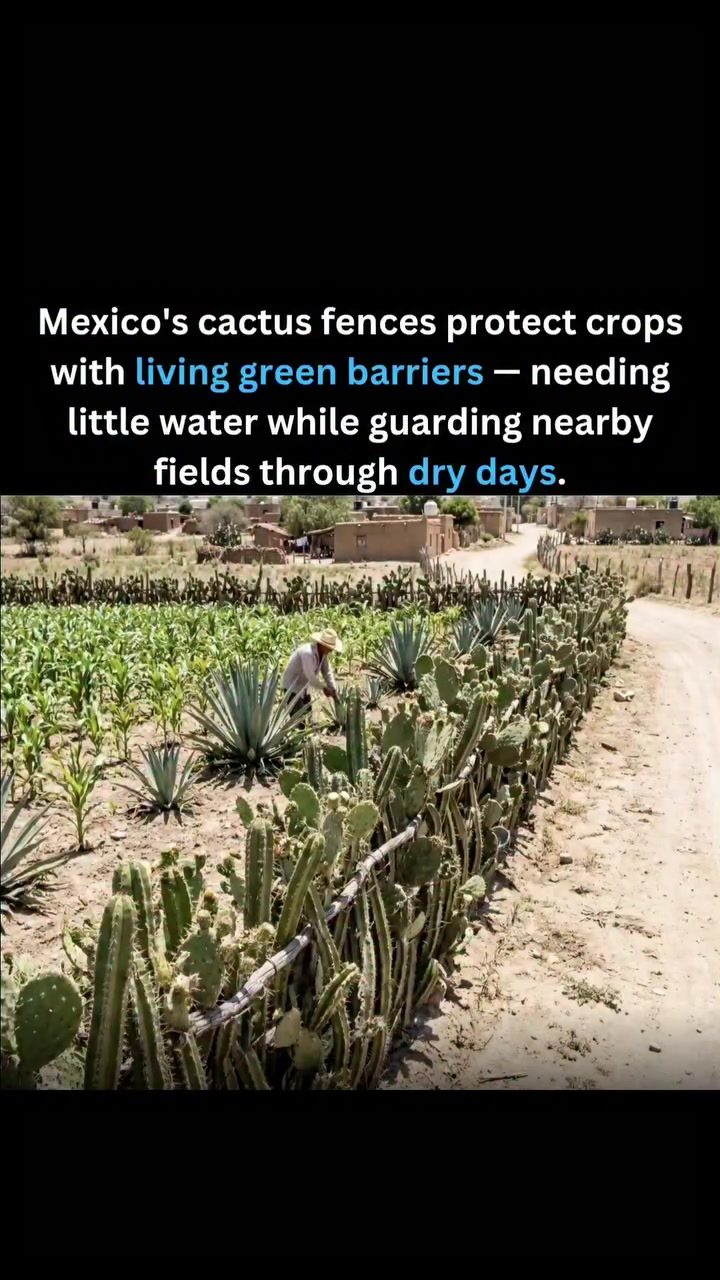
Cactus Fences in Mexico
Cactus fences, a unique and sustainable agricultural technique, are used throughout Mexico to protect crops. These living barriers offer a host of benefits, particularly in arid regions where water conservation is essential. Let's delve into the world of cactus fences, understanding their significance, functionality, and the practical aspects of implementing this green solution.
Why This Matters
In Mexico, where agricultural lands often face challenging climatic conditions, innovative solutions are crucial. The use of cactus plants as fences addresses several pressing issues, including water scarcity, pest control, and environmental sustainability. By understanding this technique, we can appreciate its broader applications and potential for adoption in other regions facing similar challenges.
The Role of Cactus Fences in Agriculture
Cactus fences serve multiple purposes in agricultural landscapes. These living barriers are not only aesthetically pleasing but also highly functional in various ways. This section will explore the key roles they play.
Water Efficiency
One of the most notable advantages of cactus fences is their water efficiency. Unlike traditional fences, which are often constructed from materials that require significant resources, cactus plants thrive in arid conditions and need minimal watering. This characteristic makes cactus fences an ideal solution for farmers in regions where water is scarce.
Pest Control
Cactus fences act as natural barriers to pests and animals that might otherwise damage crops. The thorny nature of cactus plants creates a formidable obstacle, deterring animals from entering the fields. This natural pest control method helps to protect crops without the need for chemical pesticides, promoting a more sustainable and eco-friendly agricultural practice.
Soil Conservation
The dense root systems of cactus plants help to stabilize the soil, preventing erosion and maintaining soil health. This is particularly important in agricultural regions where soil erosion can significantly impact crop yield. The roots of the cactus plants work to hold the soil in place, creating a sustainable and long-term solution for soil conservation.
Environmental Benefits
The use of cactus fences also brings several environmental benefits. These living barriers provide habitat and food for local wildlife, contributing to biodiversity. Additionally, cactus plants help to regulate the microclimate of the fields, providing shade and reducing wind erosion.
Practical Tips for Implementing Cactus Fences
If you are considering implementing cactus fences on your agricultural land, here are some practical tips to help you get started.
Selecting the Right Cactus Species
When choosing cactus species for your fences, it's essential to select varieties that are well-suited to your local climate. In Mexico, common species used for fencing include the prickly pear cactus (Opuntia spp.) and the barrel cactus (Ferocactus spp.). These species are known for their hardiness and adaptability to arid conditions.
Planting and Maintenance
Planting cactus fences requires careful planning. The plants should be spaced at regular intervals to ensure a continuous barrier. Typically, a spacing of 2 to 3 feet between plants is recommended. Regular pruning and maintenance are necessary to keep the fences in good condition and prevent overgrowth.
Irrigation and Care
While cactus fences require minimal water, proper irrigation is still necessary during the initial growth phase. Once established, these plants can survive on natural rainfall, making them a cost-effective and sustainable fencing solution. Regular inspection for pests and diseases will help maintain the health and longevity of the cactus fences.
Important Takeaways
Cactus fences represent a sustainable and efficient solution for protecting crops in arid regions. Here are the key takeaways from this discussion:
- Water Efficiency: Cactus fences thrive in arid conditions, requiring minimal water, making them ideal for regions where water is scarce.
- Natural Pest Control: The thorny nature of cactus plants creates a natural barrier against pests and animals, reducing the need for chemical pesticides.
- Soil Conservation: The dense root systems of cactus plants help to stabilize the soil, preventing erosion and maintaining soil health.
- Environmental Benefits: Cactus fences provide habitat and food for local wildlife, contributing to biodiversity and regulating the microclimate of agricultural lands.
Conclusion
Cactus fences in Mexico are a testament to the ingenuity and sustainability of traditional agricultural practices. By leveraging the natural properties of cactus plants, farmers can create living barriers that protect their crops while conserving resources and promoting environmental sustainability. Whether you are a farmer in Mexico or in another region facing similar challenges, incorporating cactus fences into your agricultural practices can offer a range of benefits, from water efficiency to pest control. Consider the practical tips outlined above to effectively implement and maintain cactus fences, and reap the rewards of this sustainable and natural solution.
Watch the Reel
Questions readers ask
What types of cacti are commonly used to create these living barriers?
Several cactus species are used for creating fences in Mexico. The most common are the Opuntia or prickly pear cacti, known for their durability, density, and ability to thrive in arid conditions. Other species, like the columnar cacti, are also used, depending on the local climate and specific needs of the crops being protected.
How do cactus fences help with pest control?
Cactus fences act as a natural deterrent to pests. The sharp spines and dense growth make it difficult for many animals to cross, keeping them away from crops. Additionally, the cacti can host beneficial insects and birds that prey on pests, further enhancing their pest control function.
Can cactus fences be used in other countries with dry climates?
Yes, cactus fences can be adopted in other countries with similar arid climates. These fences thrive in dry conditions and require minimal maintenance once established. They can be particularly useful in regions where water resources are scarce and where traditional fencing methods may not be practical.
What are the benefits of using cactus fences over traditional fencing methods?
Cactus fences are a sustainable and cost-effective alternative to traditional fencing. They require less water and maintenance, provide natural pest control, and can also improve soil health over time. Plus, as they grow, they absorb carbon dioxide, contributing to a healthier environment.
How are cactus fences maintained and how long do they last?
Cactus fences are relatively low-maintenance. Initially pruned to form a dense barrier, they require minimal upkeep. These fences can last for many years, even decades, with proper care. Regular pruning helps maintain their density and effectiveness, while watering is generally only necessary during the establishment phase.
What crops benefit most from cactus fencing in Mexico?
Cactus fences are particularly beneficial for crops grown in arid regions, such as corn, beans, and various fruits. They help shield these crops from wind, reduce soil erosion, and protect them from animals that might otherwise damage or consume them. Additionally, the cacti can provide partial shade, which can be beneficial for certain crops.
How do cactus fences contribute to water efficiency in agriculture?
Cactus fences are highly water-efficient. Once established, they require minimal irrigation, making them ideal for arid regions. By reducing water loss and improving soil retention, they help conserve water that would otherwise be needed for irrigation. Additionally, the shade provided by the cacti can reduce evaporation from the soil, further enhancing water efficiency.
Related deep dives
Similar reads based on topic and creator.




Recent articles
Fresh deep dives from the latest Reels we unpacked.




Comments
Be the first to comment.