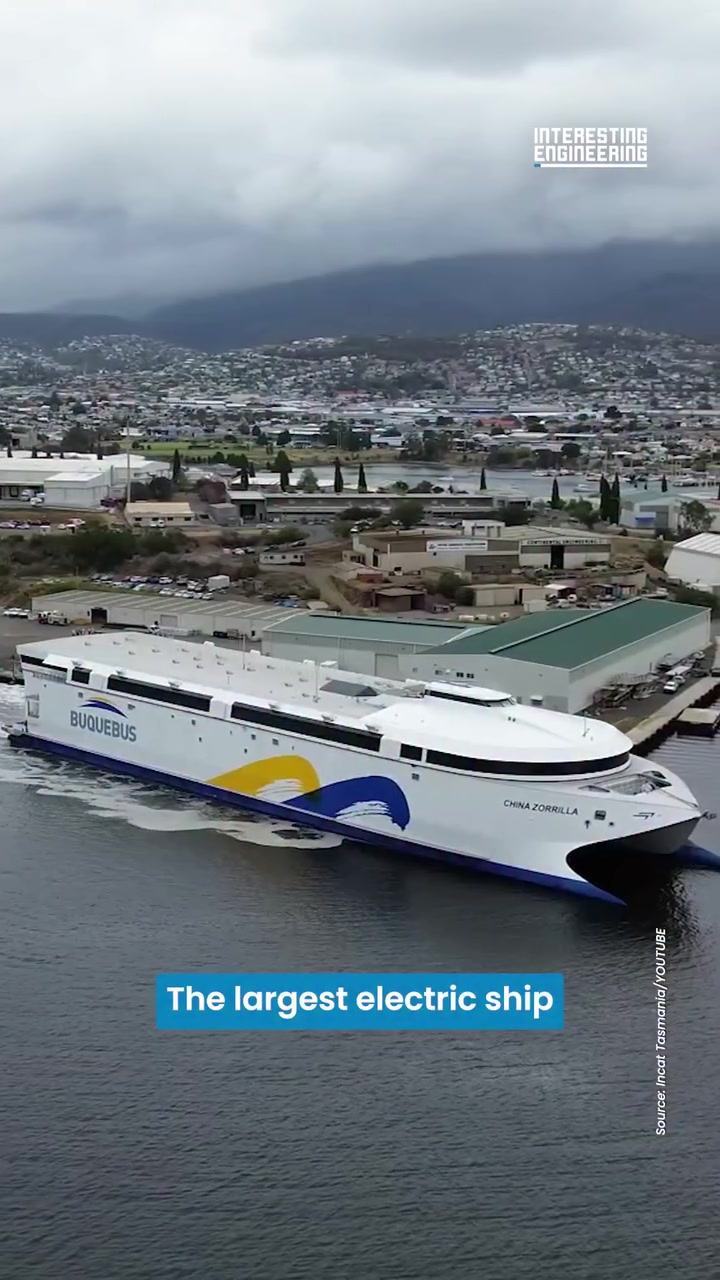
The largest electric ship in the world has successfully navigated thousands of miles to reach its new home in South America. This ship, the Buquebus China Zorilla, a 130-metre aluminum catamaran, is a monumental achievement, powered by a staggering 5,016 battery cells. With a service speed of about 25 knots and the capacity to carry 2,100 passengers and 225 cars, the China Zorilla is set to revolutionize ferries.
The Buquebus China Zorilla: A Maritime Marvel
The China Zorilla isn't just a large ship; it is the largest of its kind in the world. Built by Incat in Tasmania, this vessel weighs around 250 tons and features over 5,000 batteries. Electric ferries are proving to be a viable option for large-scale transport, as the use of electric motors enables them to accommodate more passengers, cars, and goods. The catamaran design of the China Zorilla makes it distinctively efficient and agile, thanks to the water jets it has installed, which efficiently propel the ship with unparalleled efficiency at a speed of 25 knots. The ship’s capacity to carry large numbers of passengers and vehicles, combined with the electric propulsion, makes it an attractive option for sustainable transportation. The Buquebus China Zorilla is a zero-emission vehicle. It has no fuel tanks and no exhaust. No traditional engine parts. Three decks of space house the passengers, vehicles, and batteries. The electric motors drive eight water jets, providing the thrust needed to move the vessel efficiently. The impressive battery setup, which is the largest of its kind ever installed on a ship, is a testament to the advancements in battery technology.
The Transition Toward Sustainable Ferries
The China Zorilla represents a significant milestone for the maritime industry. The increasing scrutiny on the environmental impact of traditional engine-powered transportation has pushed the industry to innovate. The China Zorilla, with its colossal battery setup, shows what is possible with the current technology. Electric ferries are becoming increasingly popular in urban and coastal areas where reducing emissions is a priority. Governments and businesses are embracing the potential for electric ferries to become a more sustainable and economical option. By offering a clean and cost-effective alternative to conventional transportation, the China Zorilla anticipates a future where maritime transportation is more sustainable, cleaner, and efficient.
The Technology Behind the Electric Power
The Battery Revolution
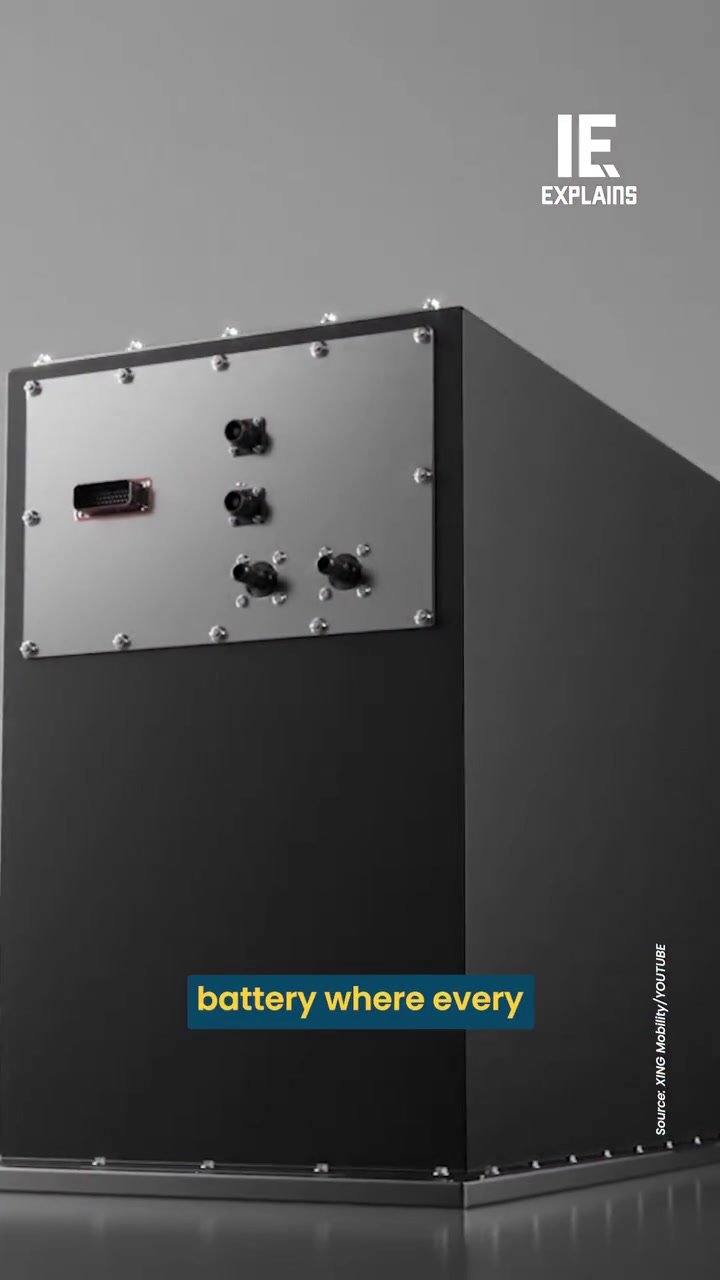
The battery setup of the Buquebus China Zorilla is its most impressive feature. The 5,016 battery cells generate over 40 megawatt-hours of power which is four times more than any other battery ever installed on a ship. This technology is an extension of the rapid advancements in battery technology, which has revolutionized multiple industries. The batteries weigh around 250 tons, but their efficiency and capacity are unmatched. The batteries power the ship's eight electric water jets, replacing traditional engines. This method of propulsion offers several advantages, including reduced maintenance and a quieter operation. With no fuel tanks and no exhaust, the China Zorilla is a zero-emission vessel, which is a significant step towards maritime sustainability.
Electric Water Jets
The eight electric water jets on the China Zorilla provide the propulsion needed to move the vessel with remarkable efficiency. These jets drive the ship at a service speed of about 25 knots, which is comparable to the speed of traditional diesel-powered ferries. The electric water jets are a more sustainable alternative to conventional diesel engines, as they do not produce harmful emissions or noise pollution. The propulsion system also allows for more precise manoeuvring, making the China Zorilla a more agile vessel. The elimination of traditional engine parts reduces the risk of mechanical failures and maintenance costs. This innovative propulsion system represents a significant step towards sustainable maritime transportation.
Infrastructure to Meet The Power Demand
While the China Zorilla showcases the potential of electric ferries, its real challenge lies in the infrastructure needed to support it. The vessel's power demands are immense, requiring high-power chargers to refill its batteries between each crossing. The operation of four crossings a day with a top-up between each one is ambitious. The grid must be able to handle the heavy power demands, and the real question is whether the infrastructure can refill the ship in the time passengers take to walk off it. The other half of the project is on land, with two high-power chargers at the terminal ready to feed the China Zorilla. The infrastructure needed to refill the ship on such a large scale has yet to be fully proven. The challenge is to ensure that the charging system can handle the demands of the vessel's battery setup without compromising the grid or the efficiency of the ferries.
Navigating the Future of Electric Ferries
Viewing the Buquebus China Zorilla from the shore or from above, the ship represents the cutting edge of maritime engineering. The experience of being on an electric ferry is both modern and sustainable. The battery system offers quiet, emission-free travel, which is both efficient and sustainable. The design of the China Zorilla, powered by the latest electric propulsion and battery technology, represents a significant step in the transition towards maritime sustainability. The China Zorilla represents a significant milestone in the development of electric ferries and sustainability. The vessel and its technology are critical in navigating the future of maritime transportation, highlighting the potential for sustainable and efficient maritime transport solutions.
Tips for Evaluating Electric Ferries
- Range and Performance: Most electric ferries offer impressive performance, with speeds comparable to diesel-powered vessels. This is a crucial factor, ensuring that electric ferries can keep up with traditional ferries without compromising speed or efficiency.
- Charging Infrastructure: The infrastructure needed to refill the battery of an electric ferry is essential. The real question is whether the grid can handle the demand poses a challenge. It is important to verify the sustainability and efficiency of the charging system.
- Environmental Impact: The environmental impact of an electric ferry can vary depending on the source of electricity. Electric ferries generally have reduced fuel consumption and emissions, making them an attractive option for environment-conscious travellers.
- Comfort and Experience: The passenger experience on an electric ferry can vary from conventional ferries. The efficiency of charging and the smooth operation of the vessel can affect the overall experience.
The Uncertain Path Ahead
The Buquebus China Zorilla is undeniably a marvel of modern engineering, showcasing the capabilities of electric maritime transport. While the vessel itself is a testament to the potential of electric ferries, the real challenge lies in the infrastructure needed to support it. The development of electric ferries highlights the transition towards sustainable and efficient maritime transport solutions. The China Zorilla is a symbol of the future of maritime sustainability.
Watch the Reel
Questions readers ask
What specific advantages does the Buquebus China Zorilla's catamaran design offer over traditional ferry designs?
The catamaran design of the Buquebus China Zorilla provides several advantages. It offers enhanced stability and efficiency, making the ferry more agile. The water jets installed on the catamaran propel the ship efficiently, allowing it to reach a speed of 25 knots. This design also allows for more space on the decks, accommodating more passengers and vehicles.
How does the Buquebus China Zorilla's battery system compare to other electric ferries?
The Buquebus China Zorilla's battery system is the most powerful ever installed on a ship, with over 5,016 battery cells generating over 40 megawatt-hours of power. This is four times more than any other battery setup on a ship, making it a significant advancement in electric ferry technology.
What are the environmental benefits of the Buquebus China Zorilla?
The Buquebus China Zorilla is a zero-emission vehicle, meaning it produces no exhaust or greenhouse gases. This makes it an environmentally friendly option compared to traditional engine-powered ferries, which contribute to air pollution and carbon emissions. By embracing electric propulsion, the China Zorilla helps reduce the maritime industry's carbon footprint.
What kind of propulsion system does the Buquebus China Zorilla use, and how does it work?
The Buquebus China Zorilla uses eight electric water jets for propulsion. These jets are powered by the ship's extensive battery system, which drives the motors. This method of propulsion is quieter and requires less maintenance than traditional engine systems, offering a cleaner and more efficient alternative.
Can the Buquebus China Zorilla be replicated or scaled down for smaller ferries or other maritime applications?
The technology and design principles used in the Buquebus China Zorilla can indeed be scaled down or adapted for smaller ferries and other maritime applications. The success of the China Zorilla demonstrates the viability of electric propulsion in maritime transportation, paving the way for more sustainable and efficient ships of various sizes.
How does the Buquebus China Zorilla's speed compare to traditional ferries, and what impact does this have on its practicality?
The Buquebus China Zorilla has a service speed of about 25 knots, which is quite competitive with many traditional ferries. This speed, combined with its large capacity to carry passengers and vehicles, makes it a practical option for regular ferry services, ensuring efficient and timely transportation.
What role do governments and businesses play in the adoption of electric ferries like the Buquebus China Zorilla?
Governments and businesses are increasingly embracing electric ferries as a sustainable and economical option. They are investing in and promoting this technology to reduce emissions and meet environmental goals. The Buquebus China Zorilla serves as a model for future maritime transportation, showcasing the potential for cleaner and more efficient travel.
Related deep dives
Similar reads based on topic and creator.



Recent articles
Fresh deep dives from the latest Reels we unpacked.



Comments
Be the first to comment.