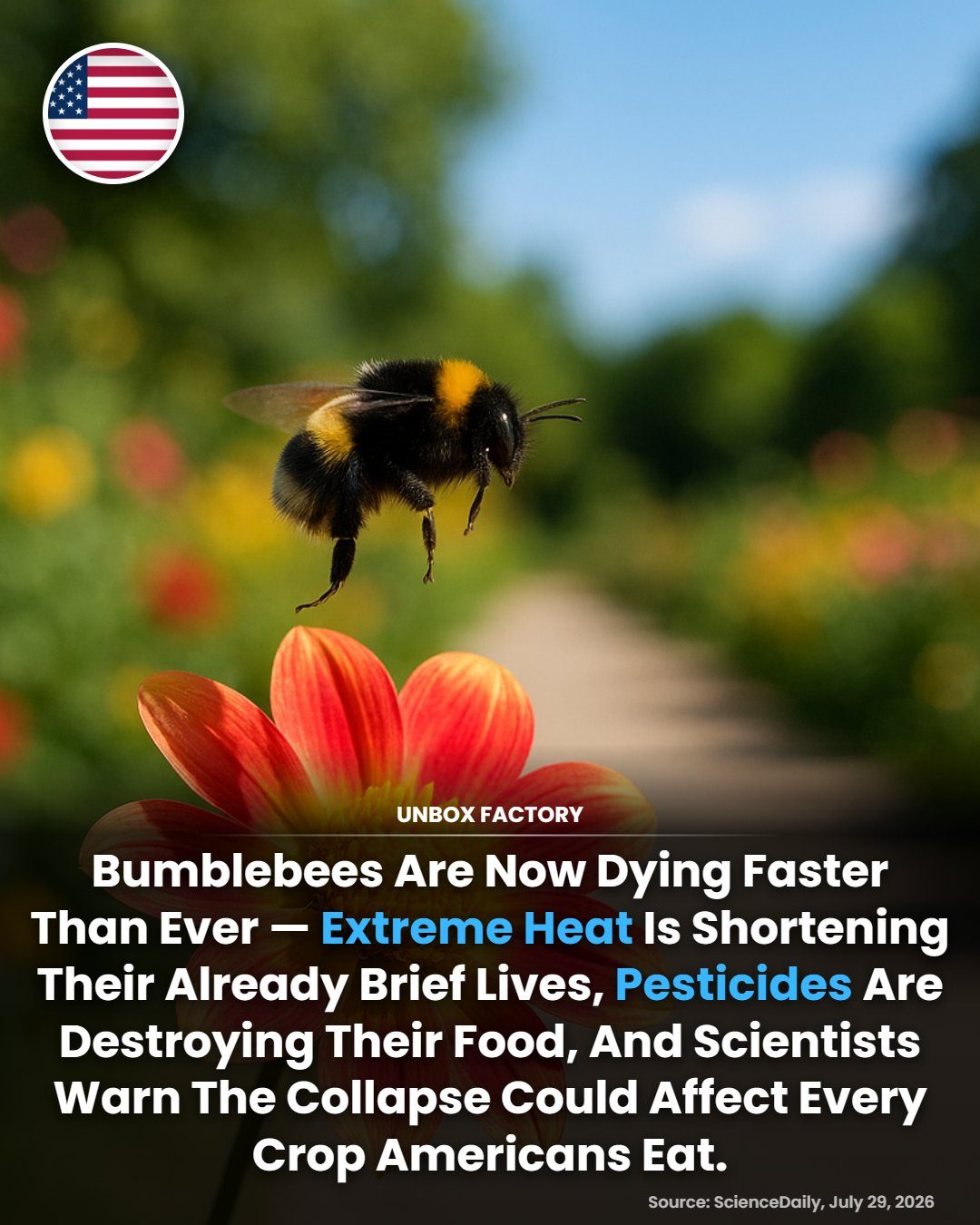
Bee Population Decline
The declining population of bumblebees is a critical issue that affects not only the bees but also the broader ecosystem and agricultural productivity. Scientists have reported accelerating rates of decline in bumblebee populations due to a combination of rising temperatures, habitat loss, pesticides, and changing weather patterns. These factors are severely impacting the bees' survival and reproduction, with extreme heat shortening their lifespan and reducing the availability of flowering plants that serve as their primary food sources.
Why This Matters
Understanding the significance of bumblebee populations goes beyond their intrinsic value. These pollinators are essential for the ecosystem and human food supply. Bumblebees are responsible for pollinating a significant portion of the world's food crops, including fruits, vegetables, nuts, and berries. This makes them indispensable for agricultural productivity and global food security.
The Role of Bumblebees in Agriculture
Bumblebees are one of the most effective pollinators, playing a crucial role in the reproduction of many plant species. Their ability to vibrate their flight muscles to dislodge pollen from flowers, a process known as "buzz pollination," is particularly beneficial for certain crops like tomatoes, blueberries, and cranberries.
The Impact on Food Security
The decline in bumblebee populations could have far-reaching consequences for food security. With fewer bees to pollinate crops, there could be a significant drop in the yield and quality of fruits, vegetables, and other food items. This would not only affect the availability of fresh produce but also increase the cost of these essential foods, making them less accessible to many people.
Main Discussion
The decline in bumblebee populations is driven by multiple factors, each contributing to the overall deterioration of their habitats and health.
Extreme Heat and Climate Change
Extreme heat is one of the primary factors shortening the lifespan of bumblebees. As temperatures rise, the bees' already brief lives become even shorter, reducing their ability to reproduce and maintain their colonies. This is particularly problematic during critical breeding seasons when the availability of food is crucial for the survival and growth of the colonies.
Habitat Loss and Pesticides
Habitat loss due to urbanization and agricultural practices is another significant factor. The destruction of natural habitats means fewer flowering plants, which are essential for bumblebees' survival. Pesticides used in agriculture, while effective in controlling pests, also harm bumblebees, destroying their food sources and directly impacting their health.
Changing Weather Patterns
Changing weather patterns, including increased frequency of droughts and extreme weather events, further exacerbate the problem. These climatic changes disrupt the natural life cycles of bumblebees, making it harder for them to adapt and survive.
The Collapse of Bumblebee Populations
The combination of these factors has led to a collapse in bumblebee populations, which could have catastrophic effects on American crop production. The loss of these essential pollinators would not only impact the yield of crops but also affect the biodiversity and ecological balance of various regions.
Practical Tips
Addressing the decline in bumblebee populations requires a multi-faceted approach that involves both individual efforts and broader policy changes.
Creating Bee-Friendly Gardens
One of the most effective ways to support bumblebees is to create bee-friendly gardens. Planting a variety of flowering plants that bloom throughout the year can provide a consistent food source for bumblebees. Avoiding the use of pesticides and providing nesting sites can also make your garden more hospitable to these pollinators.
Supporting Organic Agriculture
Supporting organic farming practices can help reduce the use of harmful pesticides. Organic farms rely on natural methods to control pests, which are less likely to harm bees. By choosing organic produce, you can help create a more bee-friendly agricultural system.
Advocating for Policy Changes
Advocating for policy changes that protect natural habitats and regulate pesticide use is crucial. Supporting organizations that work on bee conservation and raising awareness about the importance of bumblebees can also make a difference.
Important Takeaways
The decline in bumblebee populations is a complex issue that requires immediate attention. Understanding the factors contributing to this decline and taking practical steps to mitigate them is essential for preserving these vital pollinators and ensuring the sustainability of our food supply.
The Urgent Need for Action
The situation is urgent. Without immediate and concerted efforts, the decline in bumblebee populations could lead to widespread food shortages and ecological imbalances. It is important for individuals, communities, and governments to work together to address this issue effectively.
The Role of Individual and Community Efforts
Individual and community efforts, such as creating bee-friendly gardens and supporting organic agriculture, can make a significant difference. These efforts not only help protect bumblebees but also contribute to a healthier environment and a more sustainable food system.
The Importance of Policy and Research
Policy changes and ongoing research are crucial for long-term solutions. Advocating for policies that protect natural habitats and regulate pesticide use, as well as supporting research on bee conservation, can provide the necessary tools to address this complex issue effectively.
Conclusion
The decline in bumblebee populations is a pressing issue that affects not only the bees but also the broader ecosystem and food security. By understanding the factors contributing to this decline and taking practical steps to mitigate them, we can help preserve these vital pollinators and ensure the sustainability of our food supply. Creating bee-friendly gardens, supporting organic agriculture, and advocating for policy changes are essential steps in this effort. Together, we can make a difference and protect the critical role that bumblebees play in our ecosystems and food systems.
Watch the Reel
Questions readers ask
What are the primary causes of bumblebee population decline?
The main factors contributing to the decline of bumblebee populations are climate change, habitat loss, and the use of pesticides. Rising temperatures and extreme heat events are shortening their lifespan and reducing food availability, while habitat destruction and chemical exposure are making it harder for them to survive and reproduce.
How does the decline in bumblebees affect crop production?
Bumblebees play a crucial role in pollinating a wide variety of crops, including fruits, vegetables, and nuts. A decline in their populations can lead to reduced crop yields and lower-quality harvests, as many plants rely on bumblebees for effective pollination.
What impact does habitat loss have on bumblebee populations?
Habitat loss significantly affects bumblebees by reducing the availability of nesting sites and food sources. As natural habitats disappear due to urbanization and agricultural expansion, bumblebees struggle to find suitable places to live and forage, leading to decreased populations.
How do pesticides contribute to the decline of bumblebee populations?
Pesticides can be highly toxic to bumblebees, affecting their navigation, reproduction, and overall health. Exposure to pesticides can weaken their immune systems, making them more susceptible to diseases, and can also directly kill them, contributing to the overall decline in their numbers.
Why is the decline of bumblebees a threat to global food security?
Bumblebees are vital pollinators for many crops that constitute a significant portion of the global food supply. A decline in their populations could lead to reduced crop yields, increased food prices, and potential shortages, ultimately compromising global food security.
What can be done to mitigate the decline in bumblebee populations?
To mitigate the decline, it is essential to implement conservation efforts that focus on habitat restoration, reducing pesticide use, and promoting sustainable agricultural practices. Additionally, supporting policies that address climate change and protect natural habitats can help ensure the survival of bumblebee populations.
Which crops are most affected by the decline in bumblebee populations?
Crops that are particularly affected include various fruits like berries and apples, vegetables such as tomatoes and peppers, and nuts like almonds. These plants rely heavily on bumblebees for pollination, making the decline in their populations a significant concern for food production.
Related deep dives
Similar reads based on topic and creator.




Recent articles
Fresh deep dives from the latest Reels we unpacked.




Comments
Be the first to comment.