Coastal Recycling Initiative in Brazil: Turning Ocean Plastic into Homes
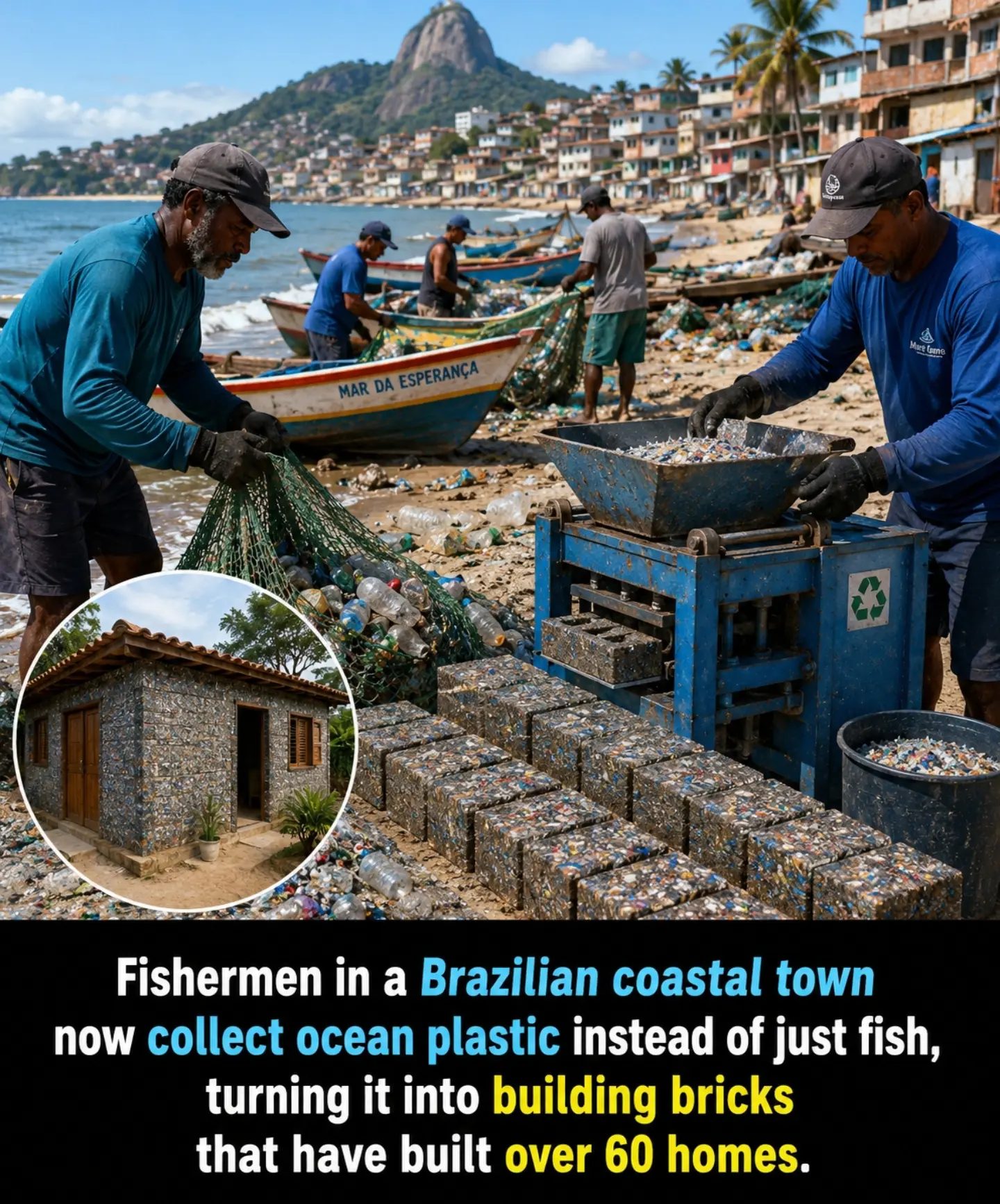
Fishermen in a coastal town in Brazil are transforming ocean plastic into building bricks, creating a unique and sustainable solution to both marine pollution and housing needs. This initiative, known as Mar da Esperança, emphasizes the potential of recycling ocean plastic into practical building materials, addressing environmental and social challenges simultaneously.
Why This Matters
Marine plastic pollution is a global crisis. According to various environmental studies, millions of tons of plastic waste enter the oceans annually, posing significant threats to marine life and ecosystems. This initiative in Brazil showcases how local communities can actively participate in reducing plastic pollution while also addressing local needs, such as affordable housing.
The Process and Impact
Collecting Ocean Plastic
Fishermen in the coastal town have adapted their practices to include the collection of ocean plastic alongside their traditional fishing activities. This dual approach not only helps in reducing marine pollution but also provides an additional income source for the fishermen. By transforming ocean plastic into building bricks, they are turning a problem into a valuable resource.
Transforming Plastic into Bricks
The collected plastic is processed into durable building bricks. This transformation involves cleaning, sorting, and melting the plastic, which is then molded into bricks. The resulting material is strong, lightweight, and eco-friendly, making it an ideal substitute for traditional building materials. These bricks are used to construct homes, demonstrating a practical application of recycled ocean plastic.
Building Sustainable Homes
Over 60 homes have been built using these recycled bricks, providing shelter for many families. This initiative not only addresses the housing needs of the community but also showcases the potential of recycled materials in construction. The homes built with these bricks are durable and sustainable, reinforcing the idea that recycled materials can be as effective as traditional building materials.
Practical Tips for Similar Initiatives
Engaging Local Communities
For similar initiatives, engaging local communities is crucial. Fishermen, who are familiar with the ocean and its challenges, are well-suited to collect ocean plastic. Their involvement ensures the initiative is sustainable and beneficial for the community. Local engagement also helps in raising awareness about the importance of reducing plastic pollution and the benefits of recycling.
Collaborations and Funding
Collaboration with local government, non-governmental organizations, and private companies can provide the necessary resources and funding. These partnerships can help in scaling the initiative and ensuring it has a lasting impact. Funding can be used for setting up recycling facilities, providing training to the fishermen, and promoting the use of recycled bricks in construction.
Technological Innovations
Investing in technological innovations can improve the efficiency and effectiveness of the recycling process. For example, advanced sorting and melting technologies can help in processing different types of plastic more effectively. Research and development in this area can lead to better-quality bricks and increased production capacity.
Policy and Regulation
Supportive policies and regulations can play a significant role in promoting such initiatives. Governments can provide incentives for using recycled materials in construction and implement regulations to reduce plastic waste. Policies that support sustainable practices and encourage innovation can help in creating a more environmentally friendly future.
Important Takeaways
The Mar da Esperança initiative in Brazil demonstrates the potential of turning ocean plastic into sustainable building materials. This initiative not only helps in reducing marine pollution but also provides a practical solution to housing needs. By engaging local communities, collaborating with various stakeholders, investing in technology, and promoting supportive policies, similar initiatives can be successfully implemented in other regions.
Conclusion
The coastal recycling initiative in Brazil is a testament to the power of community-driven, sustainable solutions. By turning ocean plastic into building bricks, the fishermen in this coastal town are not only addressing marine pollution but also building a better future for their community. This initiative highlights the importance of local engagement, technological innovation, and supportive policies in creating sustainable and practical solutions to environmental challenges.
Watch the Reel
Questions readers ask
How do Brazilian fishermen transform ocean plastic into building bricks?
The fishermen collect plastic waste from the ocean and coastlines. This waste is then cleaned, sorted, and melted down to create plastic bricks. These bricks are used as building blocks, forming a sturdy, durable material for constructing homes.
What are the benefits of recycling ocean plastic into housing materials?
This initiative provides multiple benefits. It helps reduce marine plastic pollution by removing waste from the ocean and coastlines. Simultaneously, it offers an affordable housing solution and an additional income stream for the local community.
How does the Mar da Esperança initiative address plastic waste management?
Mar da Esperança tackles plastic waste management by actively collecting and recycling ocean plastic. By transforming this waste into building materials, the initiative prevents plastic from re-entering the marine environment and reduces the overall volume of plastic waste.
What makes recycled plastic bricks a sustainable building material?
Recycled plastic bricks are sustainable because they repurpose waste that would otherwise pollute the environment. They reduce the demand for new materials, decrease landfill waste, and provide a durable, low-cost building solution for affordable housing.
How does this initiative support the local Brazilian fishing community?
The initiative supports the local community by providing an additional income source through the collection and transformation of plastic waste. It also addresses the urgent need for affordable housing, enhancing the overall quality of life in the coastal community.
Can this approach be replicated in other coastal areas?
Yes, this approach can be adapted to other coastal areas facing similar challenges. By demonstrating the practical benefits of recycling ocean plastic into building materials, this initiative serves as a model for other communities looking to address marine pollution and housing needs simultaneously.
What role do fishermen play in this ocean plastic recycling project?
Fishermen are pivotal in this project as they are directly involved in the collection of ocean plastic during their fishing activities. By repurposing this waste into building materials, they are actively contributing to the environmental and social well-being of their community.
Related deep dives
Similar reads based on topic and creator.




Recent articles
Fresh deep dives from the latest Reels we unpacked.




Comments
Be the first to comment.