Entombed Alive: The Remarkable Survival of a Tortoise in Itacajá, Brazil
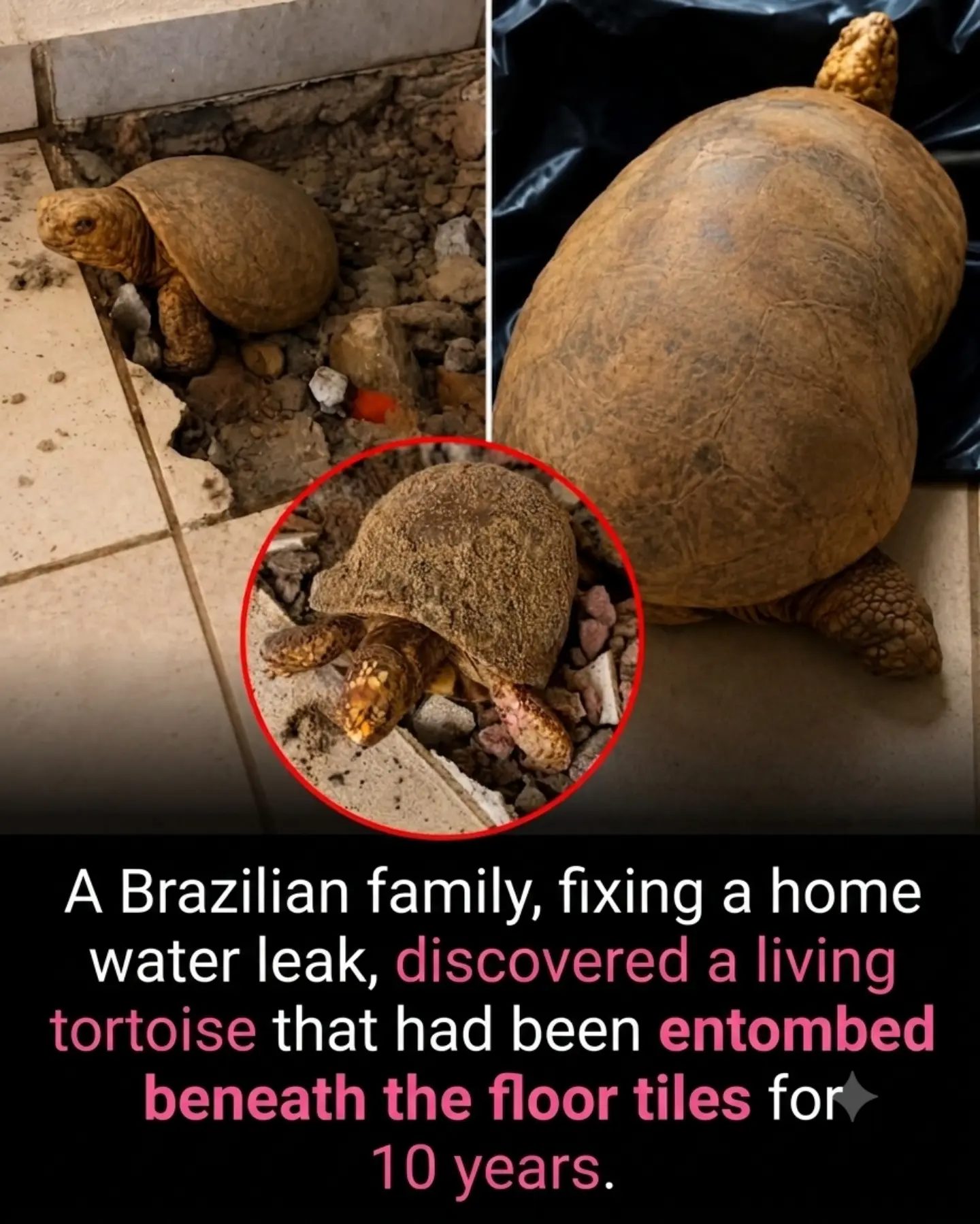
In Itacajá, Brazil, a routine home repair led to an astonishing discovery. While fixing a water leak in their ceramic floor, a Brazilian family stumbled upon a living tortoise that had been trapped beneath the tiles for a decade.
Why This Matters?
The tortoise's incredible survival story underscores the resilience of wildlife and the unexpected twists that can happen in our daily lives. This tale serves as a reminder of the delicate balance of nature and the extraordinary circumstances that can lead to the preservation of life.
The Anatomy of a Miracle
The Discovery
The homeowners had lived above an agonizing scene for years, unaware of the tortoise's silent struggle. The floor, laid 13 years prior, had become the tortoise's tomb. A leaking pipe, slowly dripping water, was both the tortoise’s source of sustenance and, ironically, the catalyst for its rescue. The tortoise's entombment beneath the concrete was a testament to its resilience, surviving in a pitch-black void.
Survival in Isolation
The tortoise's survival tactics were remarkable. It hunted stray insects and consumed scraps of organic matter in the dirt, scavenging for any morsel of sustenance. The slow, dripping moisture from the leaking pipe was its only source of water. This meager nutrition sustained the tortoise's life, a silent war for survival waged in the darkest corners of its concrete prison.
The Scars of the Dark
When the tortoise was finally freed, the toll of its decade-long captivity was starkly visible. Its eyes, unused to light for ten years, were severely damaged and hyper-sensitive. The shell, once a sturdy protection, was permanently warped and flattened from being pressed against the unforgiving concrete.
Immediate Care
Despite its fragile state, the tortoise displayed an instinctual drive to survive. It ate ravenously the moment it was freed, a primal reaction to its prolonged starvation. Now, under the care of the Tocantins Nature Institute, the tortoise has a chance to heal and recover from its ordeal. The institute, dedicated to the preservation and rehabilitation of wildlife, provides the necessary medical and environmental support for its recovery.
Practical Tips for Home Repairs
While the discovery in Itacajá is a unique and extraordinary event, it highlights the importance of being mindful during home repairs. Homeowners should be cautious about potential hazards that may lie beneath the surface, especially in older homes.
Checking for Wildlife
Before starting any major repairs, consider the possibility of trapped wildlife. Inspect the areas carefully and, if necessary, consult with local wildlife experts. This precaution can prevent accidental harm to animals and ensure a smoother repair process.
Leak Detection and Prevention
Regular inspections of plumbing systems can prevent leaks from progressing to the point of structural damage. Homeowners should be vigilant about detecting and addressing leaks promptly. This not only saves on repair costs but also prevents potential hazards, such as the entrapment of wildlife.
Important Takeaways
The tortoise's survival in Itacajá, Brazil, highlights several key points about wildlife and home maintenance:
- Resilience of Wildlife: The tortoise's ability to survive in harsh conditions demonstrates the extraordinary resilience of many species.
- Home Inspections: Regular and thorough inspections of living spaces can prevent hidden dangers, including trapped wildlife.
- Environmental Awareness: Understanding the potential impacts of home repairs on the environment and wildlife is crucial for responsible living.
Conclusion
The discovery of a live tortoise entombed beneath the floor tiles of a family home in Itacajá, Brazil, is a reminder of the unexpected twists in life. The tortoise's resilience and the family's discovery serve as a poignant reminder of the delicate balance of nature and the importance of being mindful during home repairs. The Tocantins Nature Institute now provides the tortoise with the care it needs to recover, ensuring that this extraordinary survivor has a chance to thrive once more.
Watch the Reel
Questions readers ask
How did the Brazilian family in Itacajá discover the tortoise?
The family found the tortoise while performing a routine home repair to fix a leaking pipe under the ceramic floor. During the repair, they removed the tiles and discovered the tortoise trapped beneath.
For how long was the tortoise trapped under the floor?
The tortoise was trapped under the floor for an astonishing 13 years. The floor had been laid 13 years prior, and the tortoise had been living under it the entire time.
What were the conditions like for the tortoise under the floor?
The conditions under the floor were harsh and isolating. The tortoise was trapped in a dark, confined space with limited access to food and water, yet it managed to survive for over a decade.
What is the significance of the tortoise's survival story?
The tortoise's survival story highlights the resilience of wildlife and the unexpected challenges that can arise. It also serves as a testament to the delicate balance of nature and the extraordinary circumstances that can lead to the preservation of life.
What actions did the family take after discovering the tortoise?
After discovering the tortoise, the family likely focused on rescuing the tortoise and providing it with the care it needed. The details of the rescue and the tortoise's subsequent care after the discovery are not specified in the article.
How might the tortoise have survived for so long in such harsh conditions?
Tortoises are known for their hardiness and ability to survive in adverse conditions. The tortoise may have entered a state of decreased metabolic activity, similar to hibernation, to conserve energy and resources. Additionally, it might have had limited access to moisture and debris to sustain itself.
What kind of tortoise is it and where is it likely located now?
The exact species of the tortoise is not specified in the article. After the dramatic rescue, the tortoise would likely have been taken to a local animal care facility or a wildlife sanctuary in Brazil. There they could provide the proper care and a safe habitat for the tortoise.
Related deep dives
Similar reads based on topic and creator.

Recent articles
Fresh deep dives from the latest Reels we unpacked.



Comments
Be the first to comment.