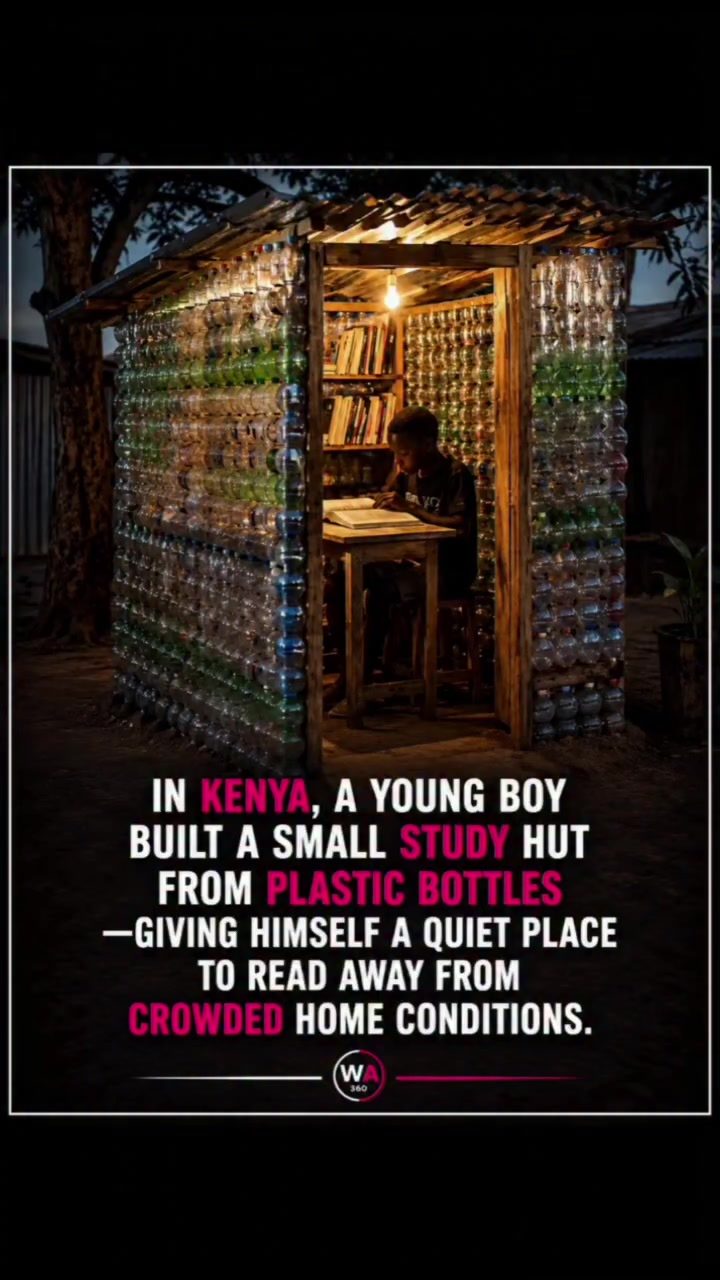
Turning Plastic Waste into a Place to Dream: The Story of a Sustainable Study Hut
In Kenya, a young boy transformed discarded plastic bottles into a quiet study hut, creating a peaceful space for learning amidst crowded home conditions. This innovative project not only addresses the challenge of plastic waste but also provides a practical solution to limited living space. This story highlights the power of creativity, determination, and sustainability.
Why This Matters
The story of this study hut is more than just an inspiring tale. It underscores the importance of resourcefulness and the potential impact of creative thinking in solving real-world problems. With plastic pollution being a global concern, finding innovative ways to recycle and repurpose plastic waste is crucial. Equally important is the recognition that education can thrive beyond traditional classroom settings, especially in environments with limited resources.
The Inspiration Behind the Study Hut
The Problem: Crowded Living Conditions
In many parts of the world, crowded living conditions pose significant challenges for students. The lack of a quiet, dedicated space for study can hinder academic performance and overall well-being. This was the situation faced by the young boy in Kenya. Living in a crowded home made it difficult for him to focus on his studies, leading to a need for a creative solution.
The Solution: A Study Hut from Plastic Bottles
The boy's innovative solution was to build a small study hut using discarded plastic bottles. This not only provided him with a quiet place to read and study but also addressed the issue of plastic waste. By repurposing plastic bottles, he contributed to a cleaner environment while solving a personal problem.
The Process and Benefits
Building the Study Hut
Building the study hut was a simple yet effective process. The boy collected discarded plastic bottles and used them as the primary building material. He likely followed a few basic steps:
- Collection: Gathered a sufficient number of plastic bottles.
- Preparation: Cleaned and prepared the bottles for use.
- Construction: Assembled the bottles to form the walls and roof of the hut.
- Finishing Touches: Added any necessary details to make the space comfortable and functional.
Benefits of the Study Hut
The study hut offers several benefits, both for the boy and the environment:
For the Boy:
- Quiet Study Space: Provides a peaceful environment away from the distractions of crowded home conditions.
- Sense of Accomplishment: The act of building the hut fosters a sense of pride and achievement, boosting his self-esteem.
- Enhanced Learning: A dedicated study space can improve focus and academic performance.
For the Environment:
- Reduced Plastic Waste: By repurposing plastic bottles, the boy contributes to reducing plastic waste and litter.
- Sustainable Living: Demonstrates the potential of creative recycling in sustainable living practices.
Practical Tips for Creating a Sustainable Study Hut
If you're inspired by this story and want to create your own study hut, here are some practical tips:
Materials Needed
- Plastic Bottles: Collect a sufficient number of clean, empty plastic bottles.
- Tools: Basic tools like scissors, tape, or glue for assembly.
- Additional Materials: Depending on your design, you might need extra materials like cloth, fabric, or insulation.
Design and Construction
- Plan Your Design: Sketch out a simple design for your study hut. Consider the size, shape, and features you need.
- Prepare the Bottles: Clean and prepare the bottles, cutting them to the desired length if necessary.
- Build the Structure: Start by building the foundation and walls. Use tape, glue, or string to securely attach the bottles together.
- Add Finishing Touches: Add a roof, insulation, and any other features to make the space comfortable and functional.
Decoration and Functionality
To make the study hut more inviting and functional, consider adding:
- Lighting: A small lamp or solar-powered lights for better visibility.
- Seating: A comfortable chair or cushion for long study sessions.
- Decor: Personal touches like posters, bookshelves, or plants to make the space your own.
Important Takeaways
The Power of Creativity
The story of the study hut underscores the power of creativity and innovation. It shows that even the simplest ideas can lead to significant solutions when executed with determination.
The Importance of Sustainable Living
Recycling and repurposing materials are essential steps in sustainable living. This project highlights how creative recycling can address multiple issues, from plastic waste to limited living space.
Education and Resourcefulness
Education is not confined to classrooms; it thrives in environments where resourcefulness and adaptability are valued. The study hut is a testament to the resilience and creativity of young minds.
Conclusion
The story of the young boy in Kenya who built a study hut from plastic bottles is a powerful example of how determination and creativity can overcome challenges. It highlights the importance of sustainable living, resourcefulness, and the potential of education beyond traditional settings. By repurposing plastic waste, the boy not only created a quiet study space but also contributed to a cleaner environment. This inspiring tale serves as a reminder that true change often begins with a single courageous step.
Watch the Reel
Questions readers ask
How did the boy in Kenya use plastic bottles to create a study space?
The boy collected discarded plastic bottles and used them as building blocks to construct a small, quiet study hut. This innovative use of plastic waste provided him with a personal space for learning amidst crowded living conditions.
What inspired the boy to build a study hut from plastic bottles?
The boy was motivated by the need to address two pressing issues: the lack of personal study space in his crowded home and the abundance of plastic waste. By combining sustainable living solutions with creative problem-solving, he found a way to tackle both problems.
What impact does this plastic bottle hut have on the community?
The study hut serves as an inspiration for the community, demonstrating the power of innovation and resourcefulness. It also raises awareness about plastic waste recycling and the potential for sustainable living solutions to improve daily life.
How does this story relate to the global issue of plastic pollution?
The story of the young innovator in Kenya highlights a practical solution to plastic pollution by demonstrating an effective means of repurposing plastic waste. This can inspire similar initiatives worldwide, contributing to the reduction of plastic waste and promoting sustainable practices.
Can this approach be replicated in other regions with similar challenges?
Yes, the concept of transforming plastic waste into useful structures can be adapted to other regions facing issues of plastic pollution and limited living space. This initiative showcases the potential of creative thinking in addressing real-world problems and improving quality of life.
Related deep dives
Similar reads based on topic and creator.



Recent articles
Fresh deep dives from the latest Reels we unpacked.




Comments
Be the first to comment.