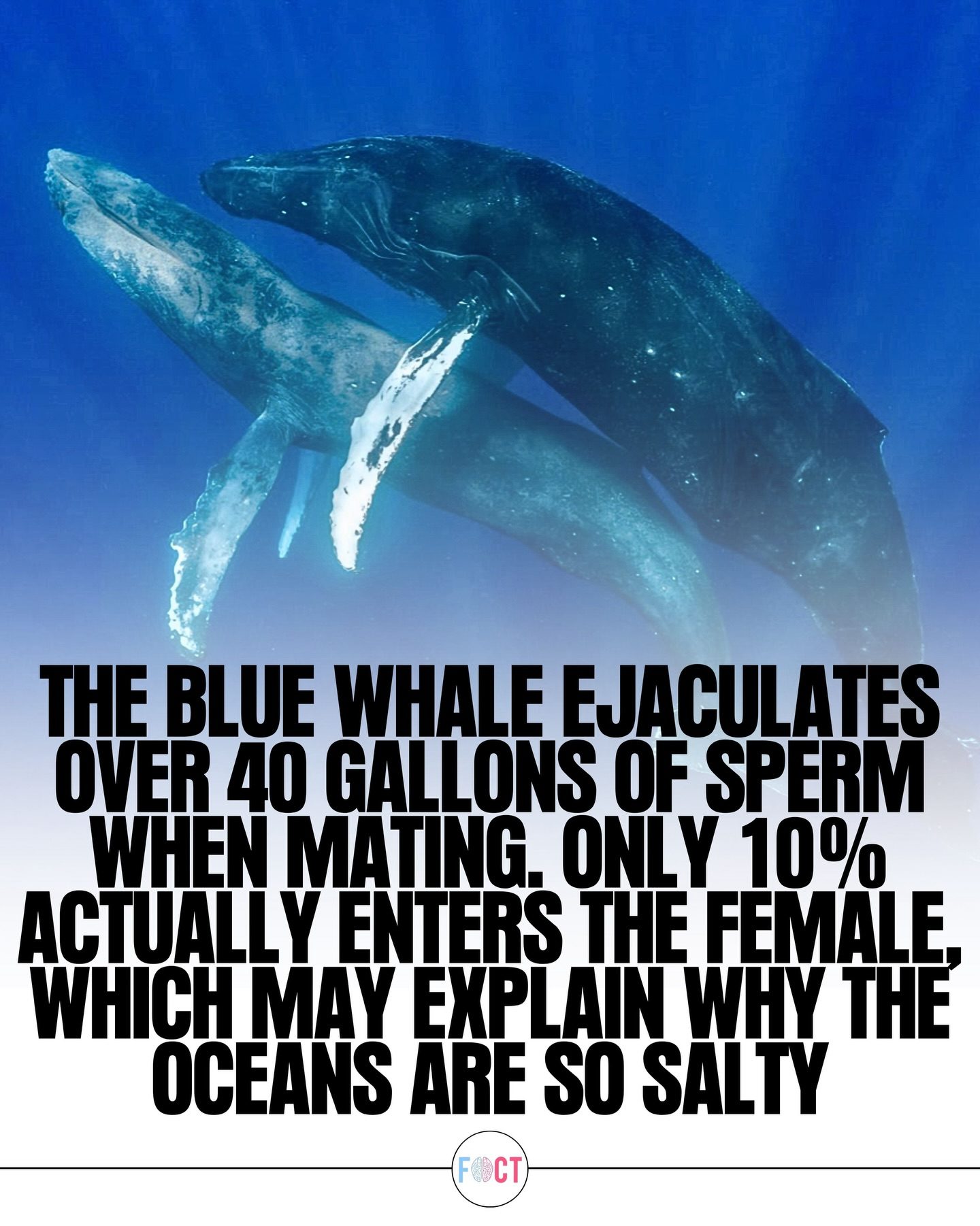
Blue Whale Reproduction
Blue whales, the largest animals on Earth, are known for their immense size, which extends to every aspect of their physiology, including their reproductive systems. One of the most astonishing facts about blue whale reproduction is the sheer volume of sperm they release during mating.
Context / Why this matters
Understanding the reproductive habits of blue whales provides insights into their biology and the broader ecosystems they inhabit. The sheer scale of their reproductive processes highlights the incredible adaptations these marine mammals have developed to survive and thrive in the world's oceans.
Main discussion
The Volume of Sperm
Blue whales are capable of releasing an astonishing amount of sperm—over 40 gallons during mating. This volume is a testament to their gigantic size, as a single blue whale can grow up to 100 feet in length and weigh as much as 200 tons. Despite this large release, only about 10% of the sperm actually fertilizes the female. The remaining 90% is dispersed into the ocean, contributing to the marine environment in ways that are still being studied.
The Ocean's Salinity and Other Factors
The idea that blue whale reproduction could be a significant factor in ocean salinity is a humorous yet inaccurate notion. In reality, the salinity of the ocean is primarily determined by the dissolved minerals and salts washed from rocks on land over millions of years. This misconception, while entertaining, does not hold up to scientific scrutiny. However, it underscores the vast scale of blue whale reproduction and the potential impact of their biological processes on the marine environment.
Practical tips
Conservation Efforts
For those interested in marine conservation, understanding blue whale reproduction can inform efforts to protect these majestic creatures. Conservationists often focus on protecting breeding grounds and migration routes, as well as monitoring population health. By studying their reproductive habits, scientists can better understand the factors that affect their survival and implement more effective conservation strategies.
Marine Environmental Awareness
Reproduction details like these serve as a reminder of the interconnectedness of marine ecosystems. The volume of sperm released by blue whales, while impressive, is just one part of a complex web of biological processes that support life in the oceans. Awareness of these processes can foster a deeper appreciation for the marine environment and the need to protect it.
Important takeaways
Blue whale reproduction is a fascinating aspect of their biology that highlights their enormous size and unique adaptations. The volume of sperm they release during mating is a testament to their biological scale, and while it does not significantly affect ocean salinity, it does contribute to the broader marine ecosystem in ways that are still being explored. Understanding these processes is crucial for conservation efforts and fostering a greater appreciation for marine life.
Conclusion
The reproductive habits of blue whales provide a window into the incredible world of marine biology. From the astonishing volume of sperm they release to the impact of their biological processes on the ocean, these giants of the sea continue to captivate and inspire us. By studying and appreciating these aspects of blue whale reproduction, we can better understand and protect these magnificent creatures and the ecosystems they inhabit.
Watch the Reel
Questions readers ask
Why do blue whales release such a large volume of sperm during mating?
Blue whales release a large volume of sperm, over 40 gallons, to maximize the chances of fertilization. This high volume is a strategy to ensure that sperm can reach the female's eggs despite the challenges of mating in the vast and often turbulent ocean environment. It also reflects the competitive nature of blue whale mating, where successful fertilization can depend on outcompeting other males.
How does the reproductive process of blue whales contribute to understanding marine ecosystems?
Studying blue whale reproduction helps scientists understand the broader dynamics of marine ecosystems. By learning about their mating habits, scientists can gain insights into population dynamics, food web interactions, and the overall health of the oceans. Since blue whales are apex predators, their reproductive success can indicate the well-being of the ecosystems they inhabit.
What are some unique aspects of blue whale reproductive biology?
Blue whales exhibit several unique reproductive traits, such as the massive volume of sperm released during mating and their long gestation periods. Females typically give birth to a single calf after a 10-12 month pregnancy, and the calves grow rapidly, nursing for several months before becoming independent. This slow reproductive rate underscores the challenges and strategies these mammals employ to sustain their populations.
How do blue whales' reproductive strategies help them adapt to their ocean environment?
Blue whales' reproductive strategies, including the high volume of sperm released and their long gestation periods, have evolved to ensure the survival of their species in the vast and often unpredictable ocean environment. These adaptations help them overcome the challenges of finding mates, ensuring fertilization, and nurturing their young in a dynamic and resource-scarcity marine environment.
What role does sperm volume play in blue whale mating competitions?
The high volume of sperm released by blue whales plays a crucial role in mating competitions. When multiple males compete to mate with a female, the sheer volume of sperm can increase the chances of successful fertilization, ensuring that the male's genetic material has a better chance of being passed on.
How does the study of blue whale reproduction help in conservation efforts?
Understanding blue whale reproduction is vital for conservation efforts. By knowing their reproductive rates, mating habits, and the challenges they face, conservationists can develop more effective strategies to protect these endangered giants. This includes measures to reduce threats from human activities, such as fishing and shipping, and to preserve the habitats where they mate and give birth.
What is the significance of blue whales' slow reproductive rate in their species' survival?
The slow reproductive rate of blue whales, characterized by long gestation periods and infrequent births, poses significant challenges to their population recovery. This slow rate means that any disruption to their reproductive cycle or loss of individuals can have a substantial impact on their overall numbers. Conservation efforts must therefore focus on protecting these whales at all stages of their life cycle to ensure their long-term survival.
Related deep dives
Similar reads based on topic and creator.


Recent articles
Fresh deep dives from the latest Reels we unpacked.




Comments
Be the first to comment.